Room 2
Material Counterculture
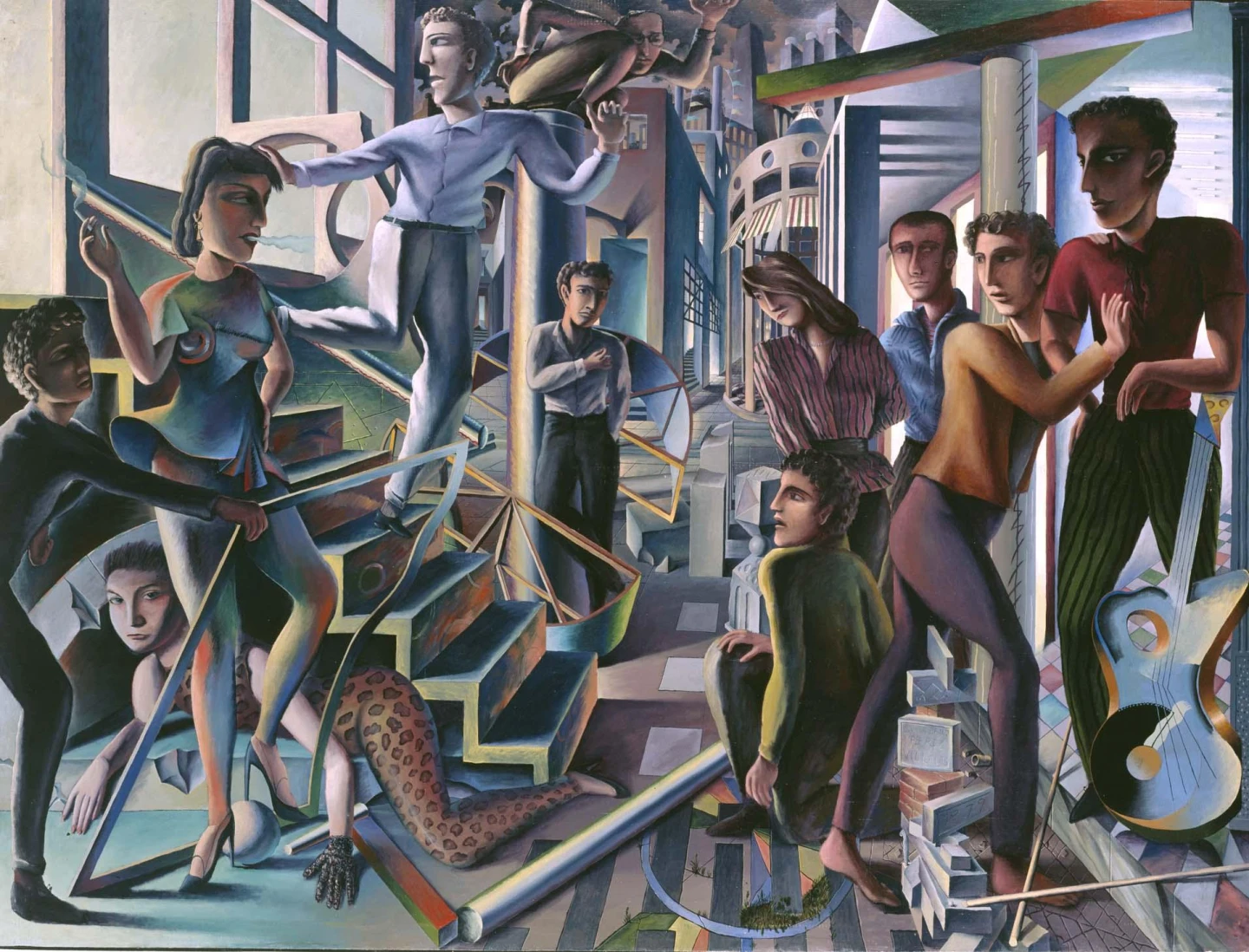
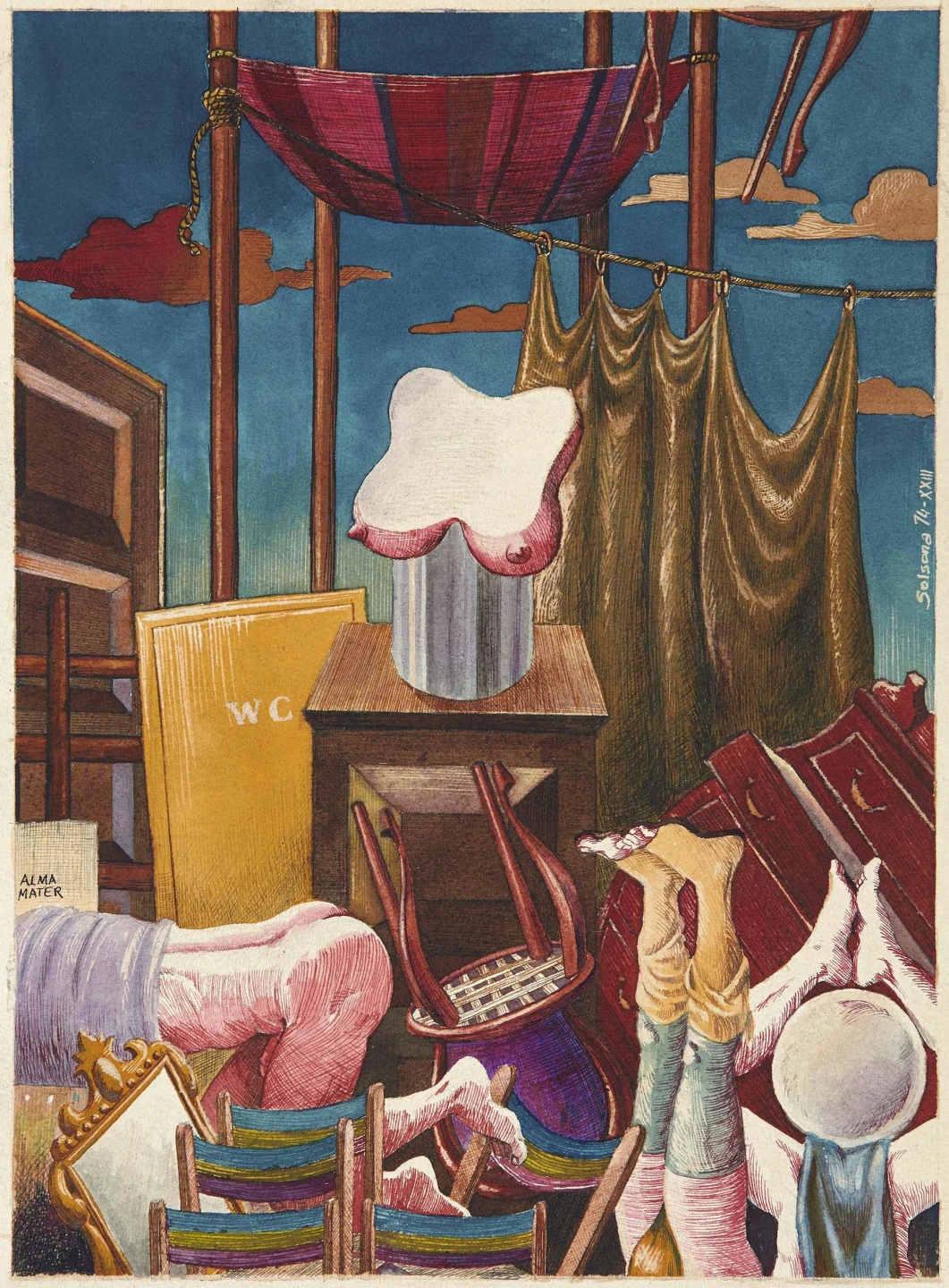
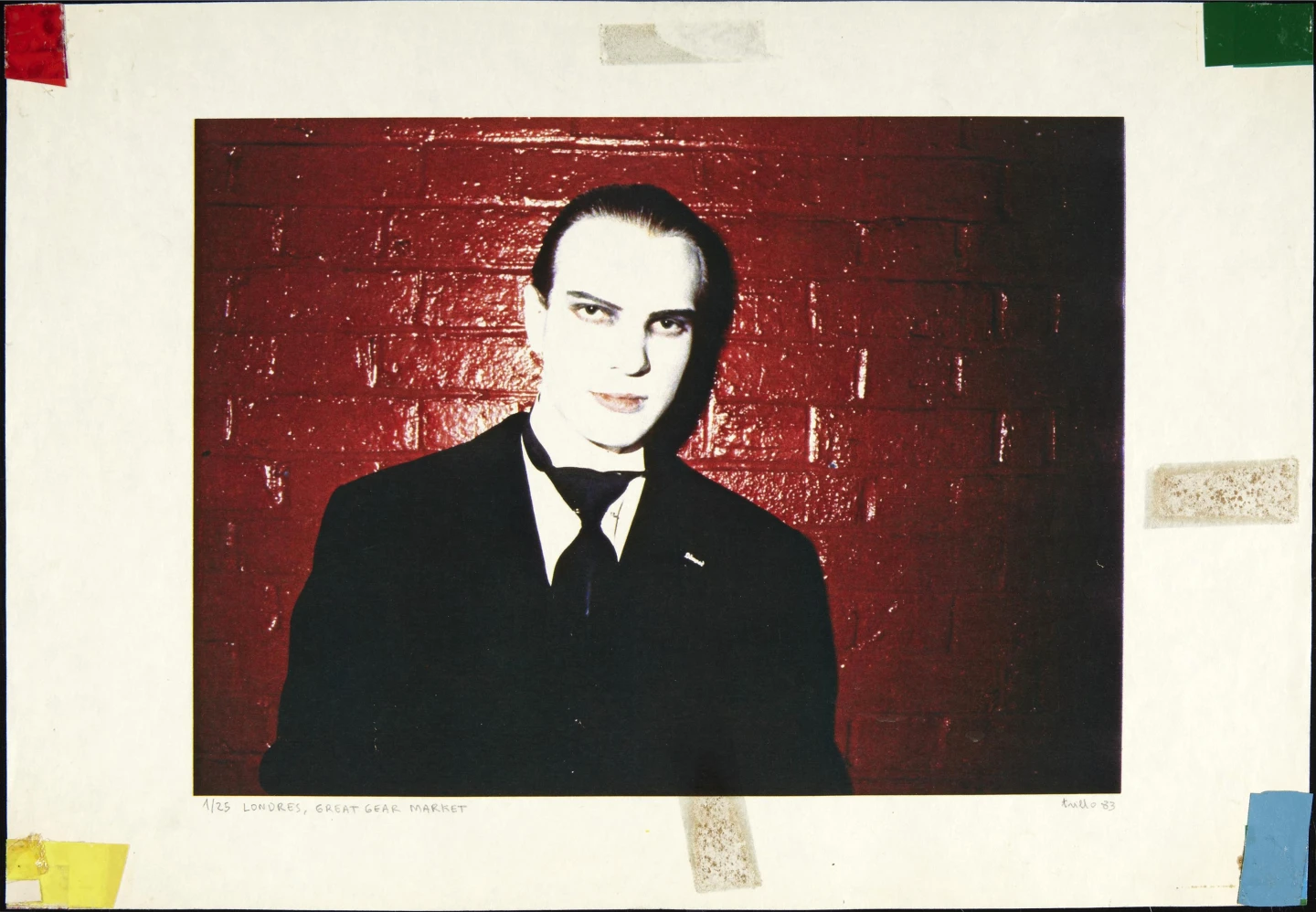
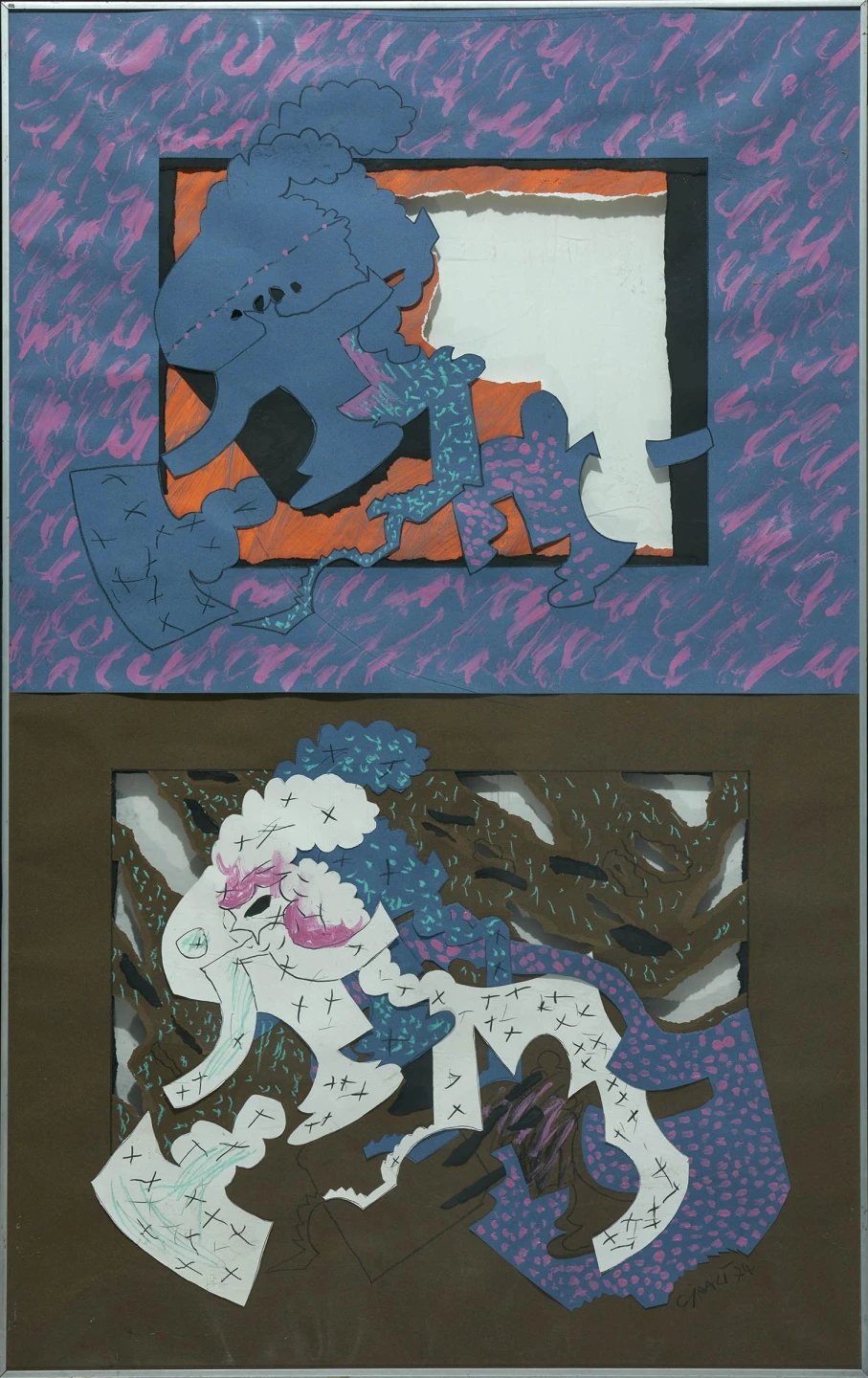
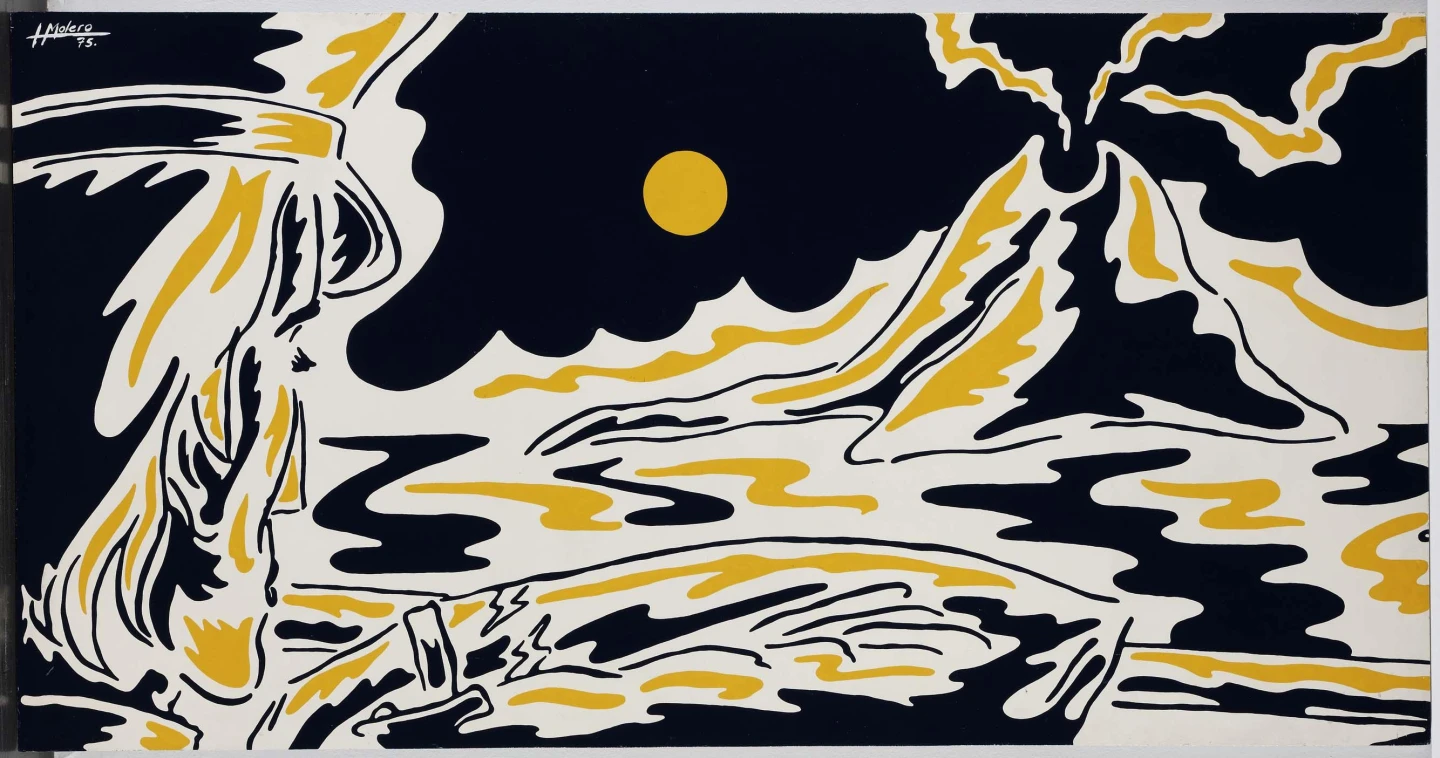
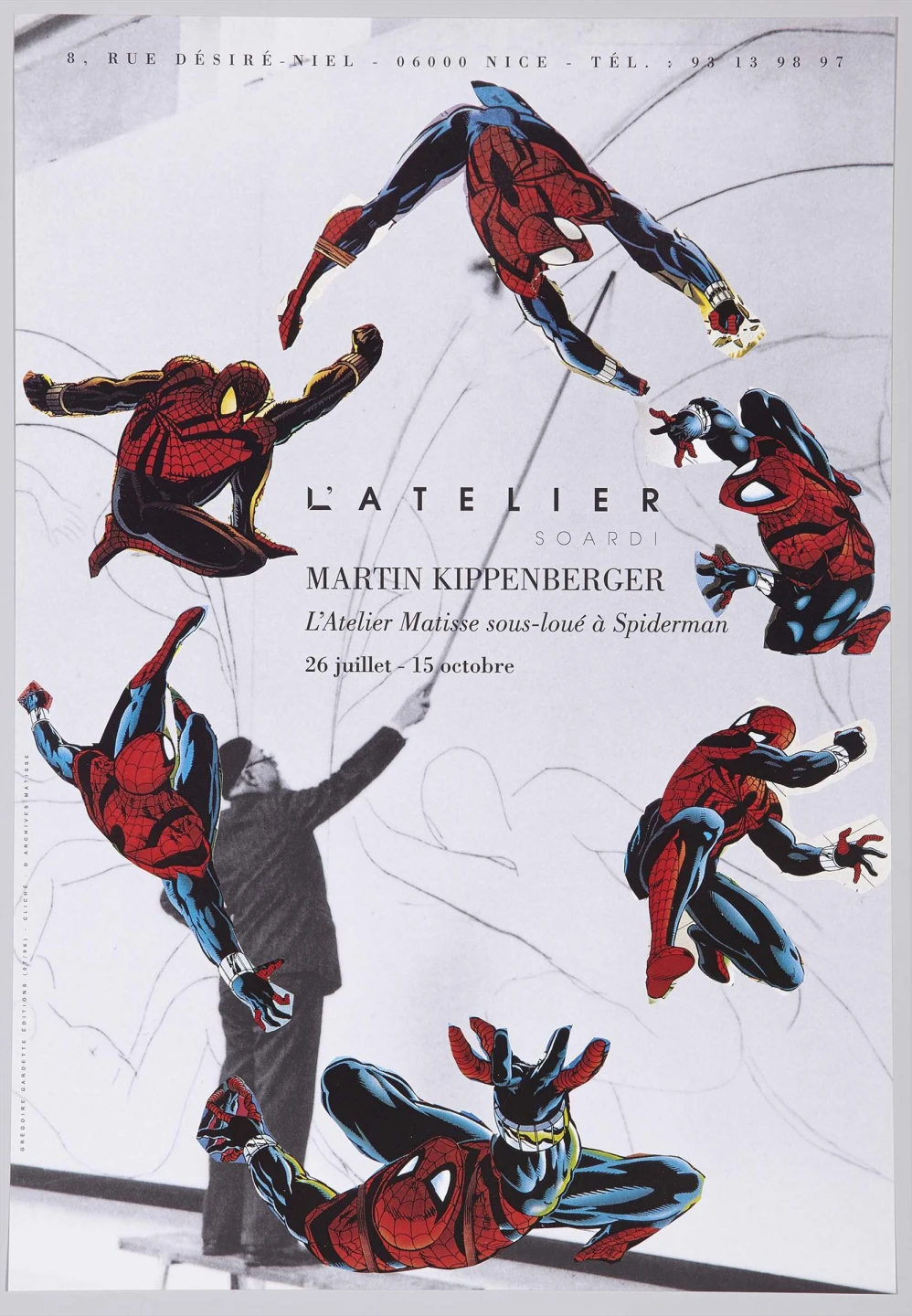
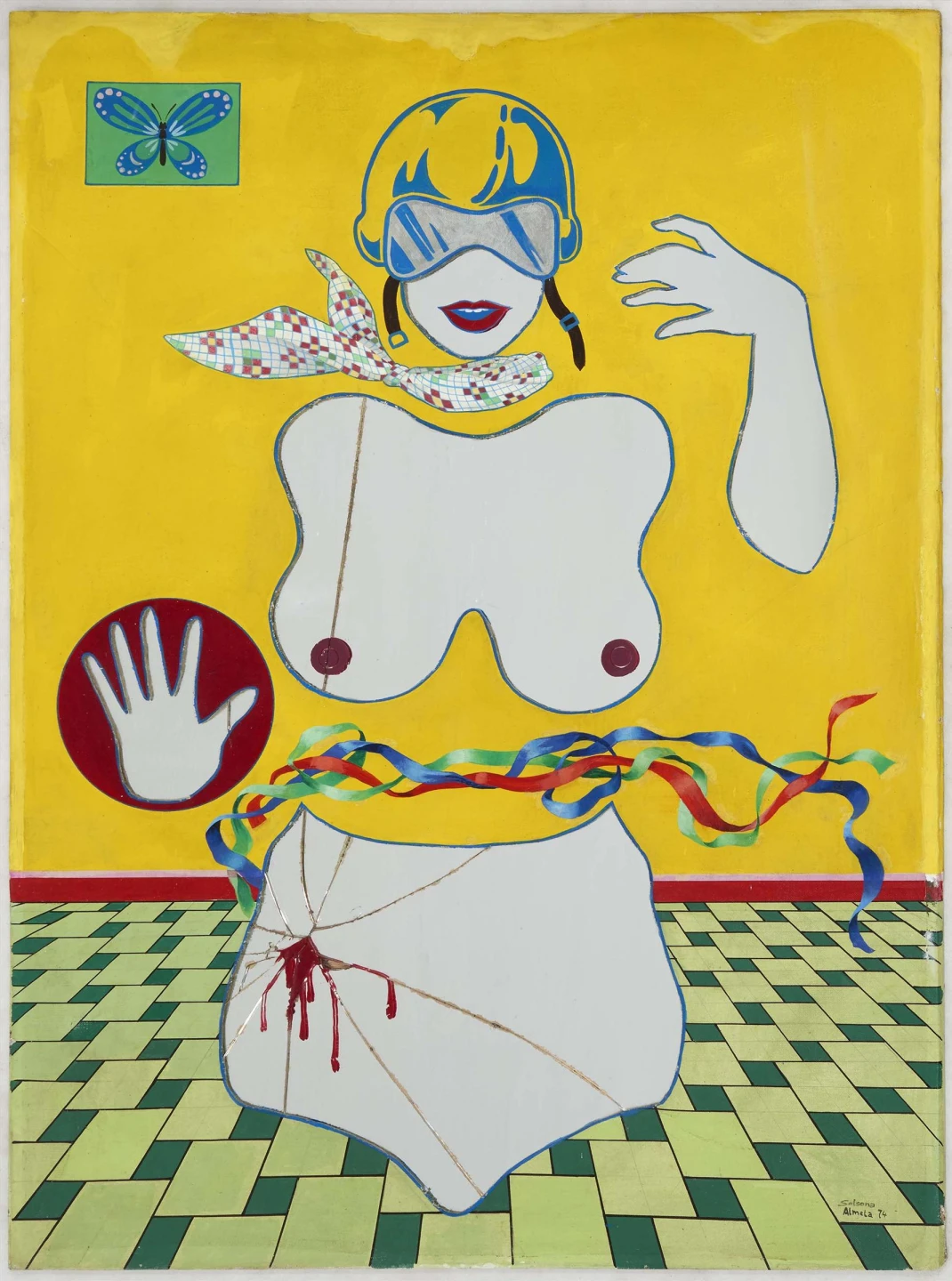
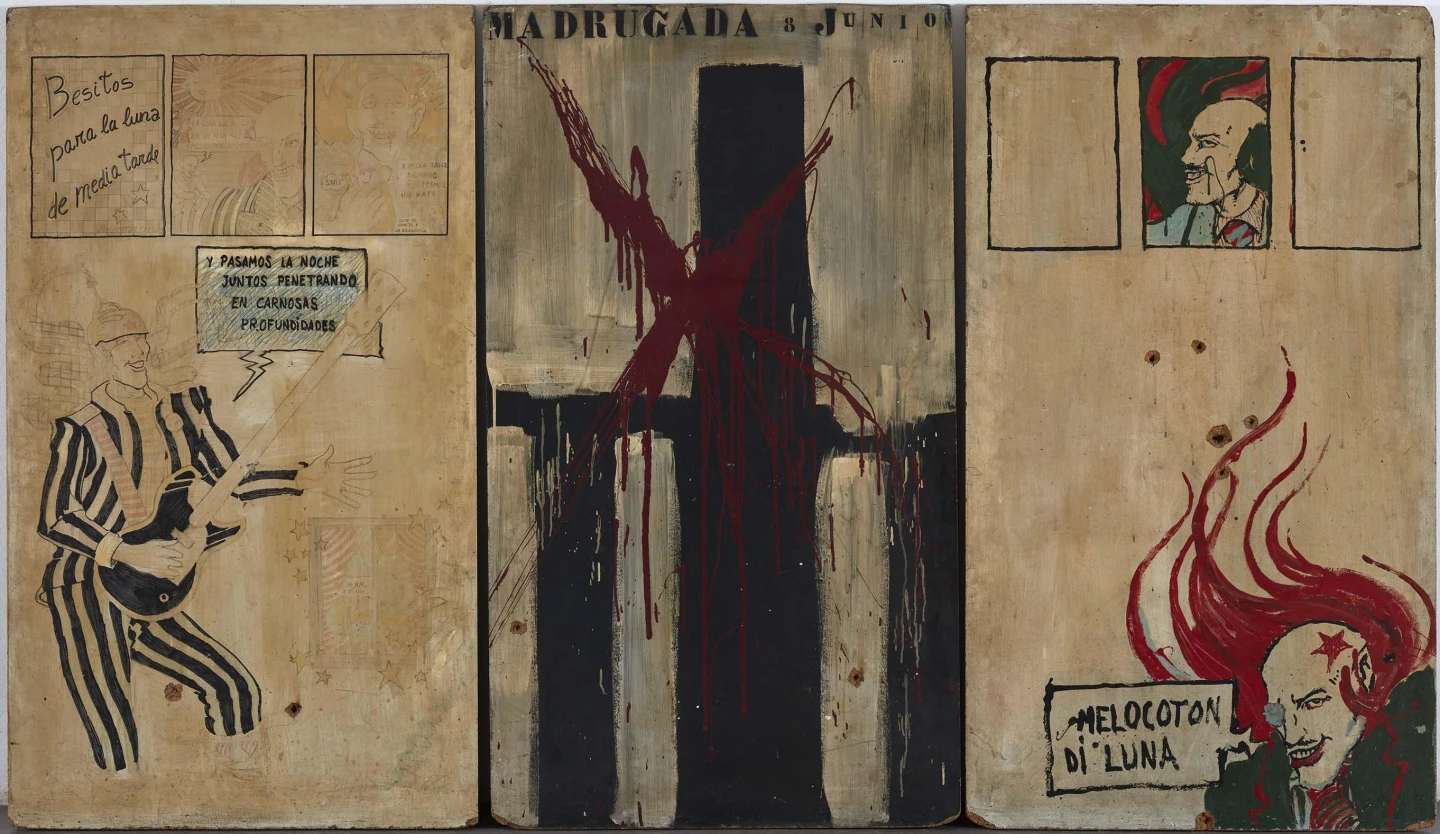
The countercultures that developed throughout the 1970s proliferated from comics and illustration to street performance, giving visibility to a multitude of subjectivities that had under Francoism remained hidden. Today, we can recognize not only the landmarks of material cultures of these communities but also the radical approach to the Transition inherent in their performance art, pioneering many of the positions that were later staked out within contemporary art.
Popular culture, street life, and dance are vibrant forces that had already emerged in the modernity of the 1930s avant-garde, gaining momentum in a series of processes that came to be generically known as La Movida. Music, painting, video, photography, fashion, and jewelry and furniture design flourished—representative of collective desires to produce a new environment that could be understood as a total work of art, and quickly adopted by the political powers of the emerging democracy as their emblem. In an artistic system still in its infancy, exhibitions took place outside the institutional framework, as nocturnal fantasies in bars, in private urban spaces, or in settings where disinhibition and youth were allowed to flourish as a new, shared aesthetic capable of engendering myriad new ways of life.
65 artworks

Room 1
Structures of Affect of the Spanish Transition
Room 3
Attempts at and Limits of an Institutional Regime for Art in Democracy