Room 3
Attempts at and Limits of an Institutional Regime for Art in Democracy
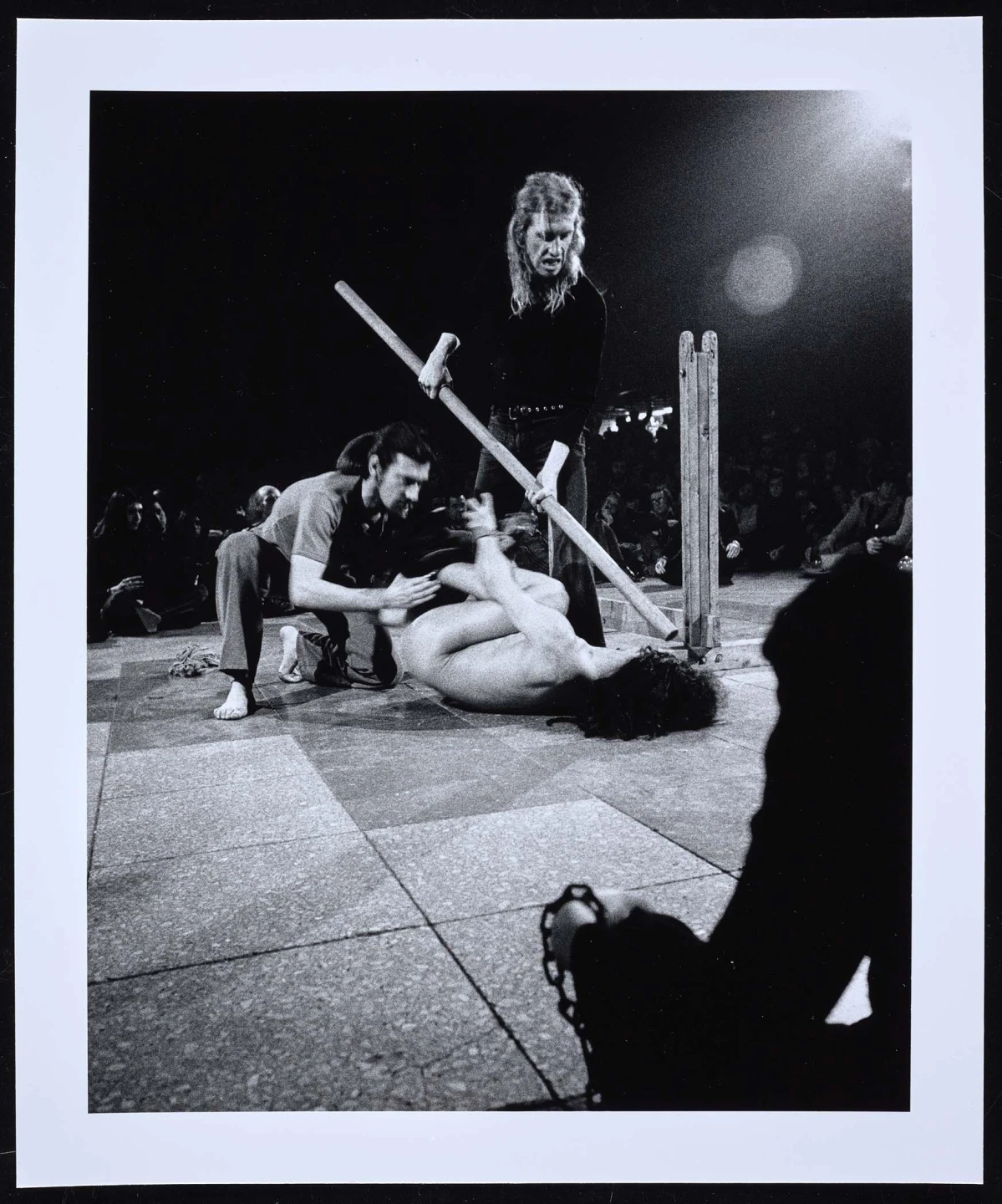
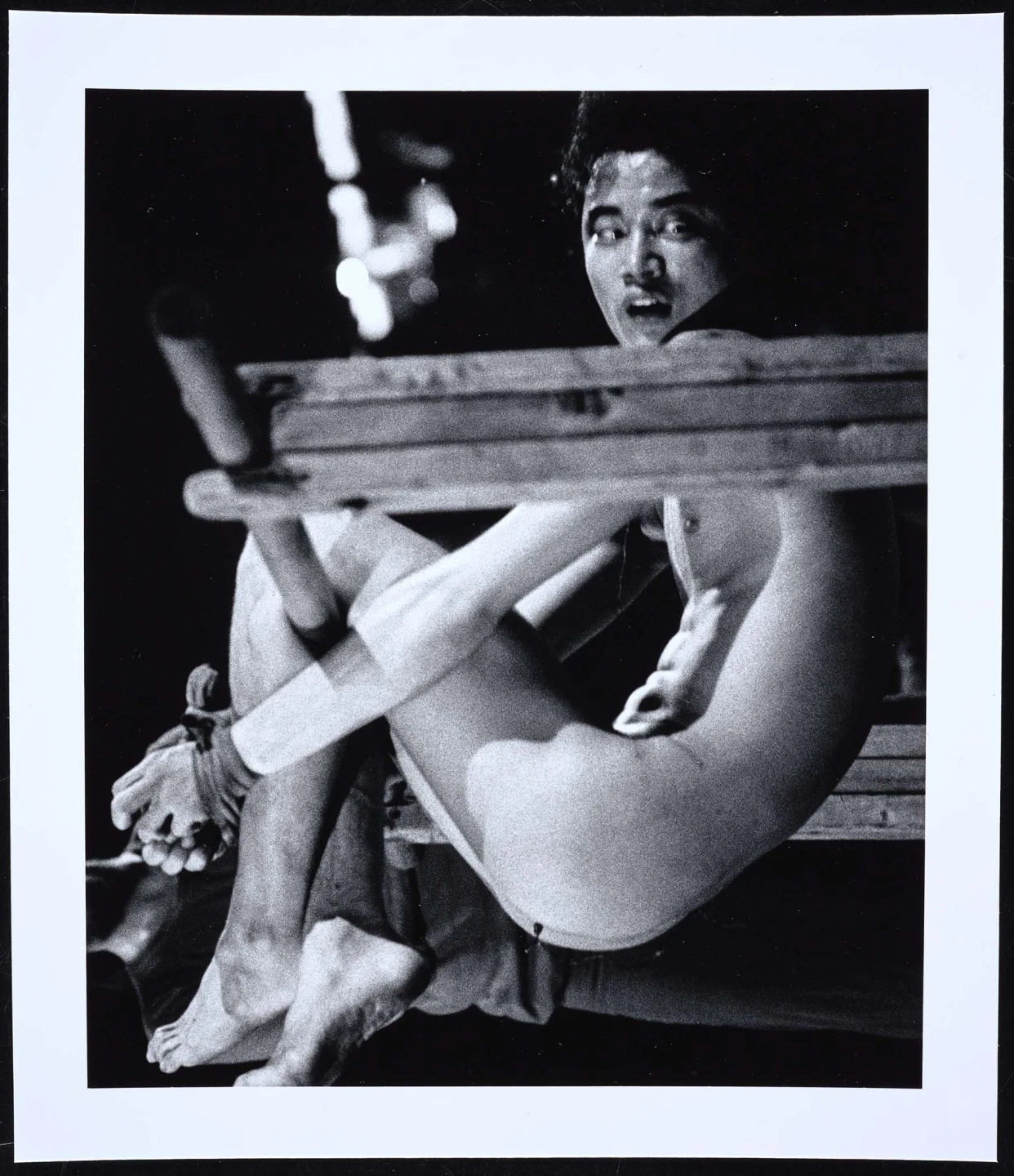
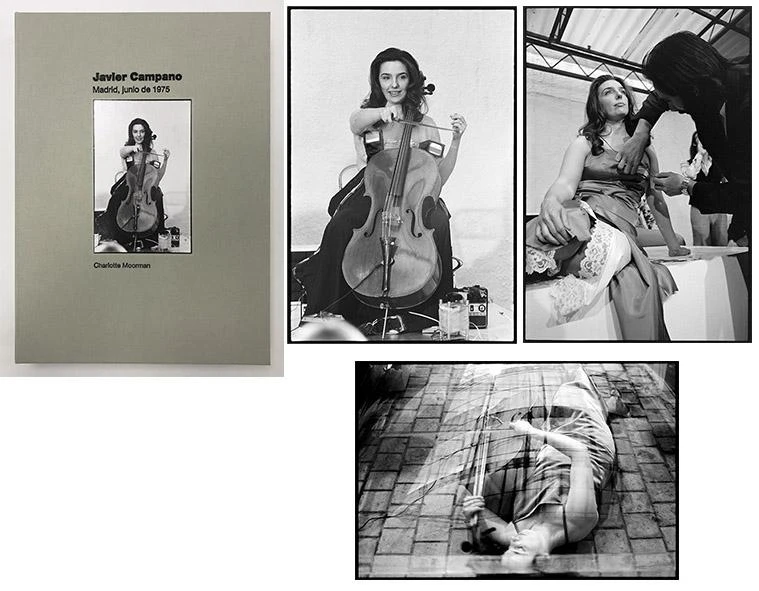
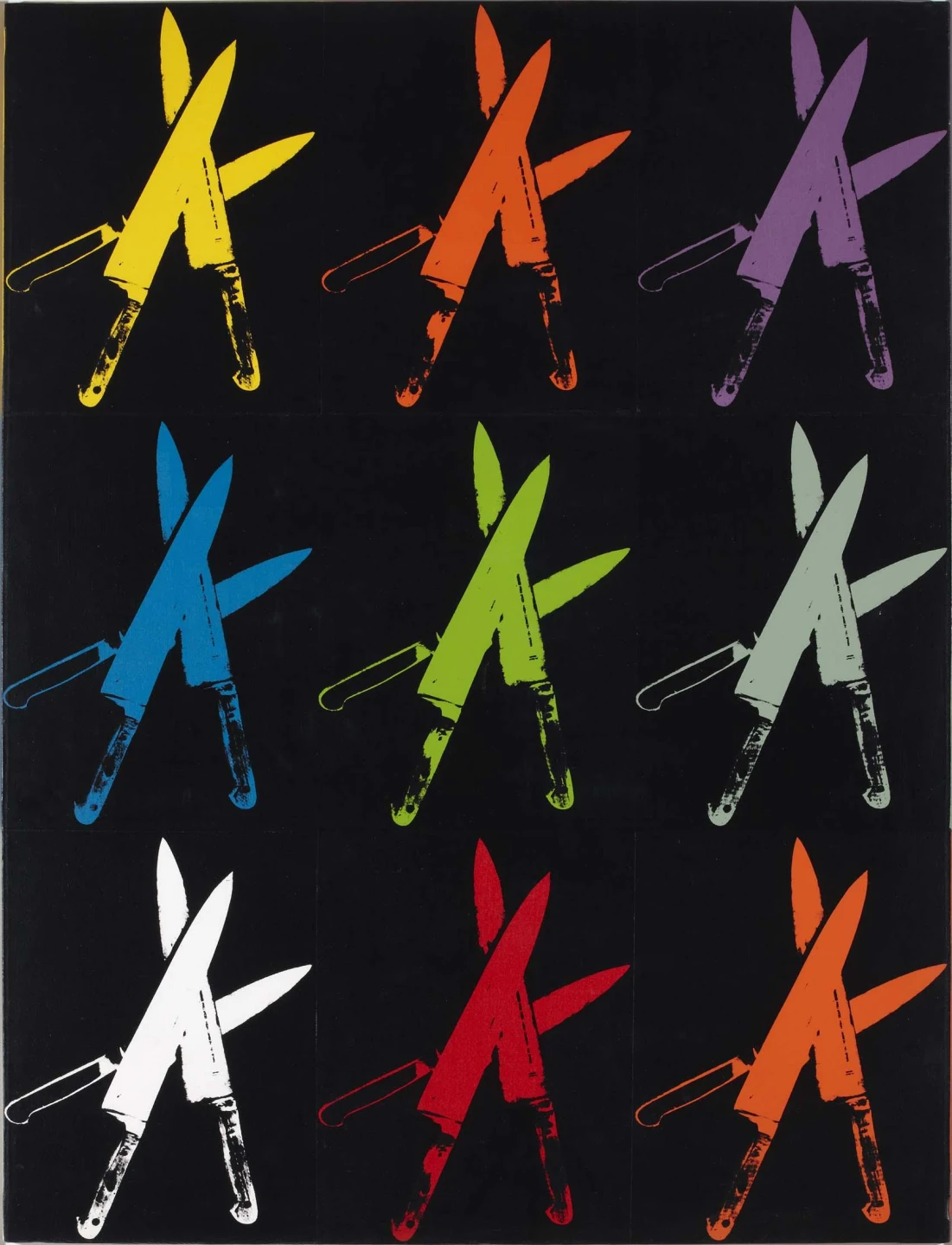
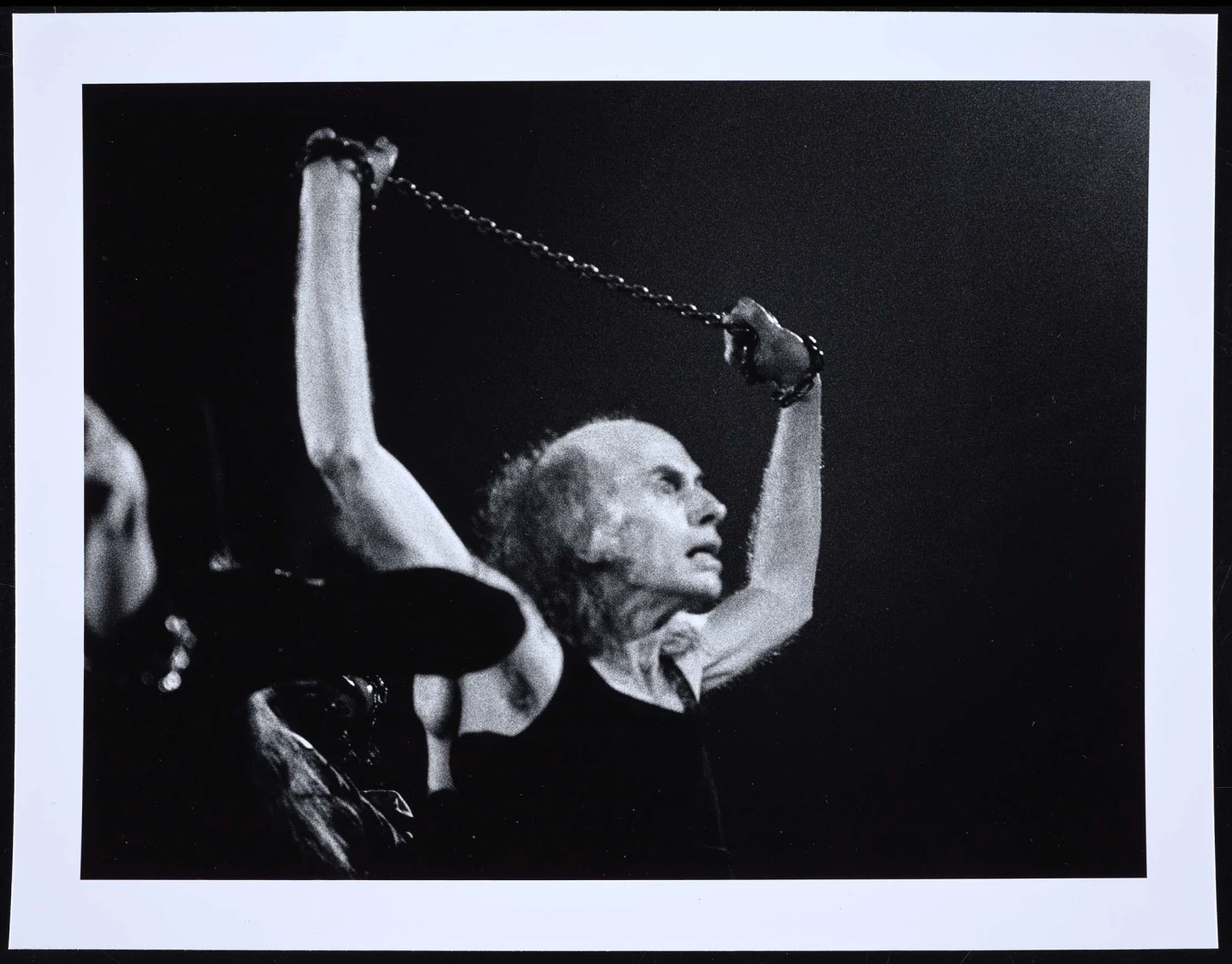
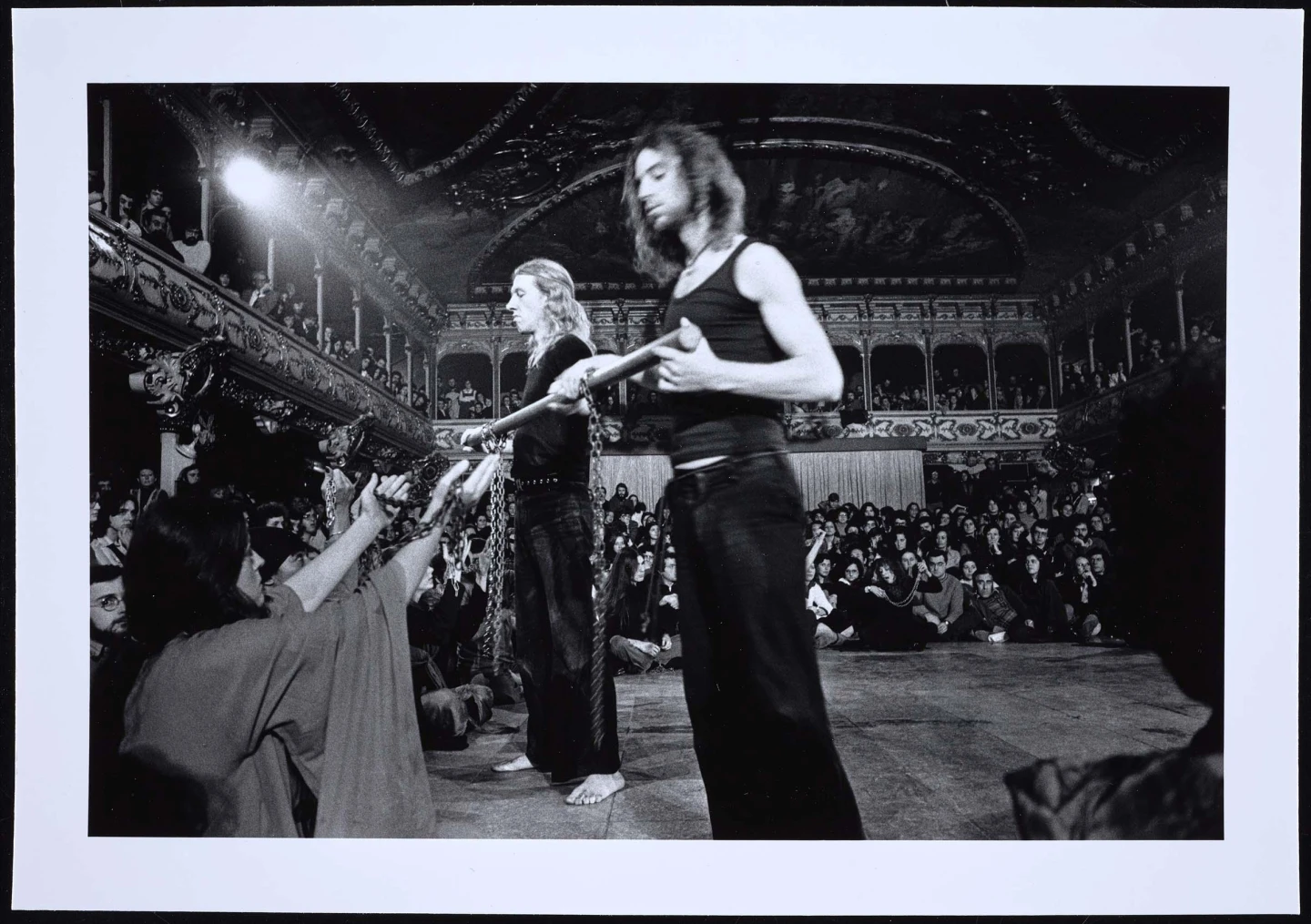
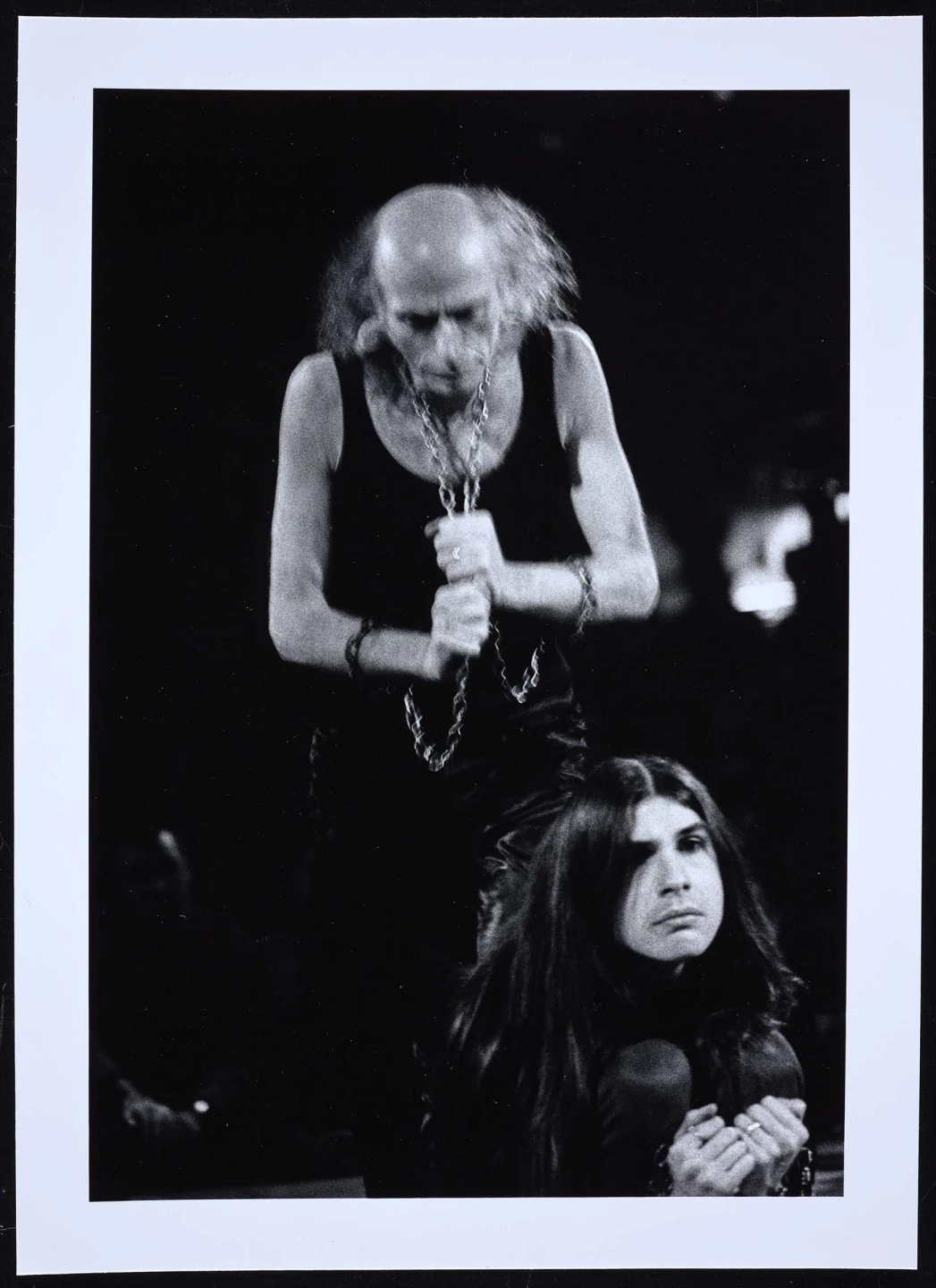
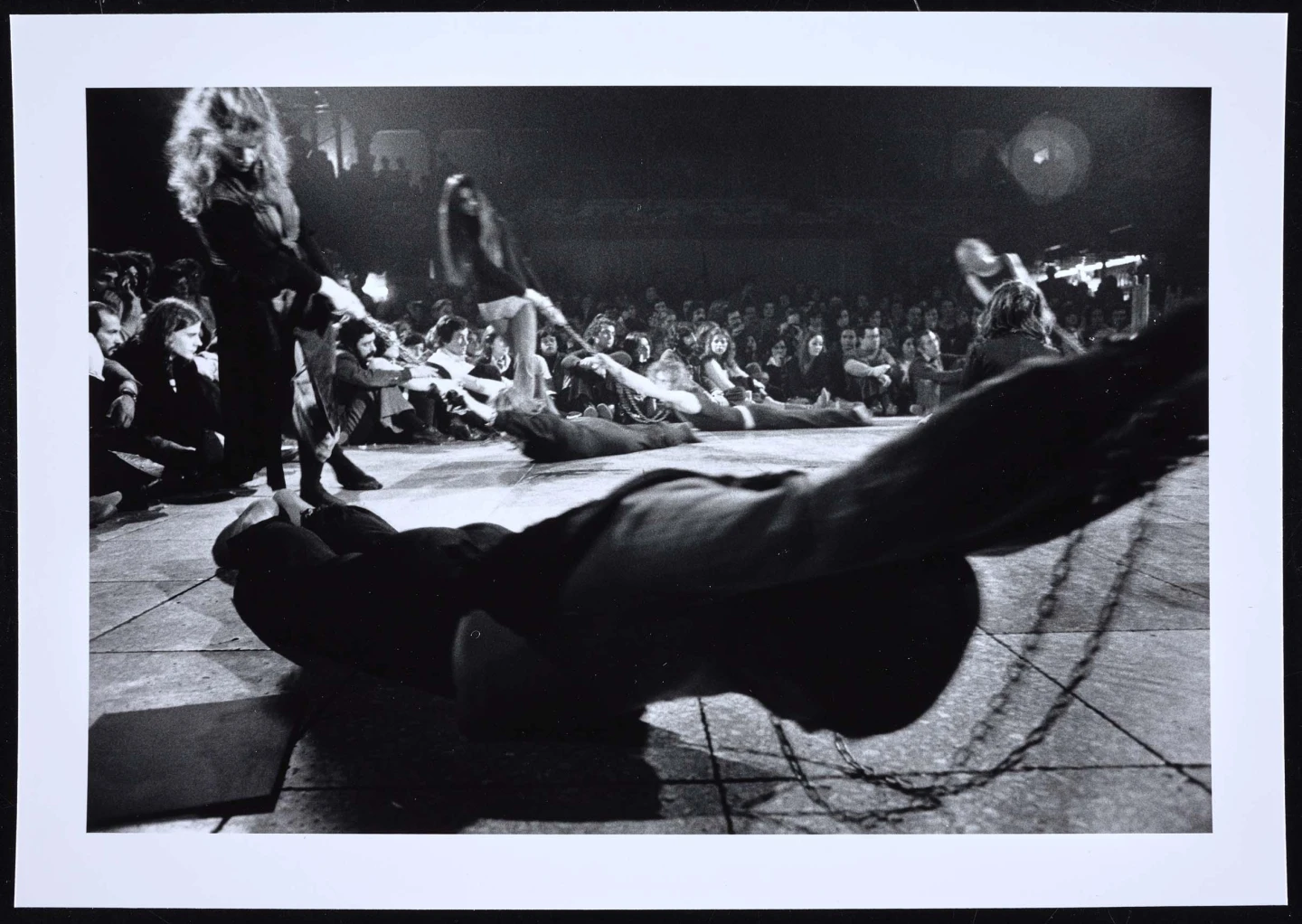
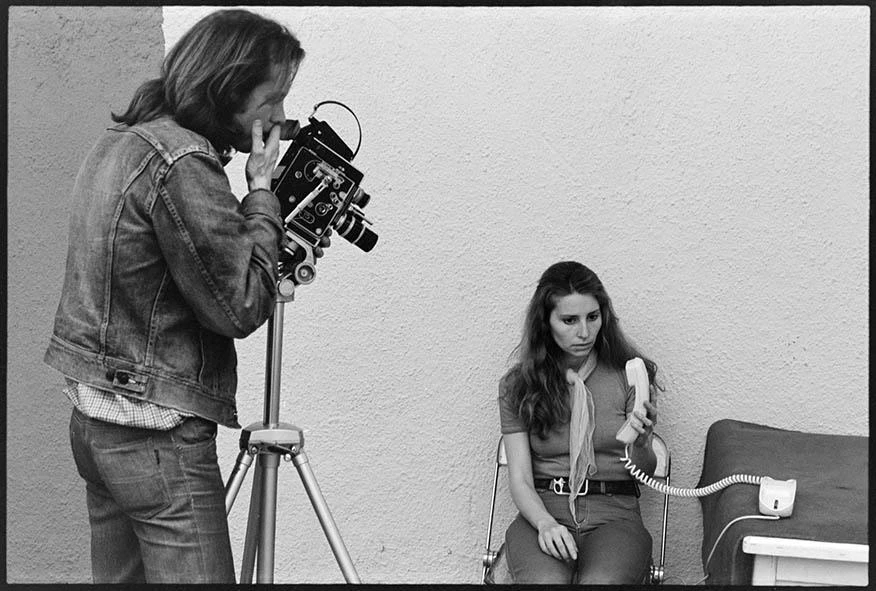
Post-Franco Spain’s desire to achieve cultural synchronization with theoutside world found its parallel in the attempts to institutionalize contemporary art. Galleries emerged as key spaces for international exchange —with Andy Warhol’s visit to the Fernando Vijande gallery a milestone—alongside an aspiration to create a market that did not yet exist. Live artsbecame a powerful medium for connecting, expanding the epistemological boundaries of art to such an extent that extreme things came to pass that today would be inconceivable.
One key case study helps us to understand the limits of the cultural acceleration of 1980s Spain: the idea of creating a sculpture for Madrid’s Plaza de Callao by American sculptor Richard Serra, first abandoned because of public health concerns and then, after a second location was chosen in Atocha, due to the death of Enrique Tierno Galván, Madrid’s mayor during La Movida. This aborted attempt highlights the limits of a Transition understood as a rushed process to make up for lost time without a social or institutional foundation to support it, embracing personal projects not yet in alignment with the national context. Such disjointedness would be a recurring feature, like a remnant of that temporality disrupted by a dictatorship that lasted far too long.
22 artworks



Room 2
Material Counterculture