Room 1
Structures of Affect of the Spanish Transition
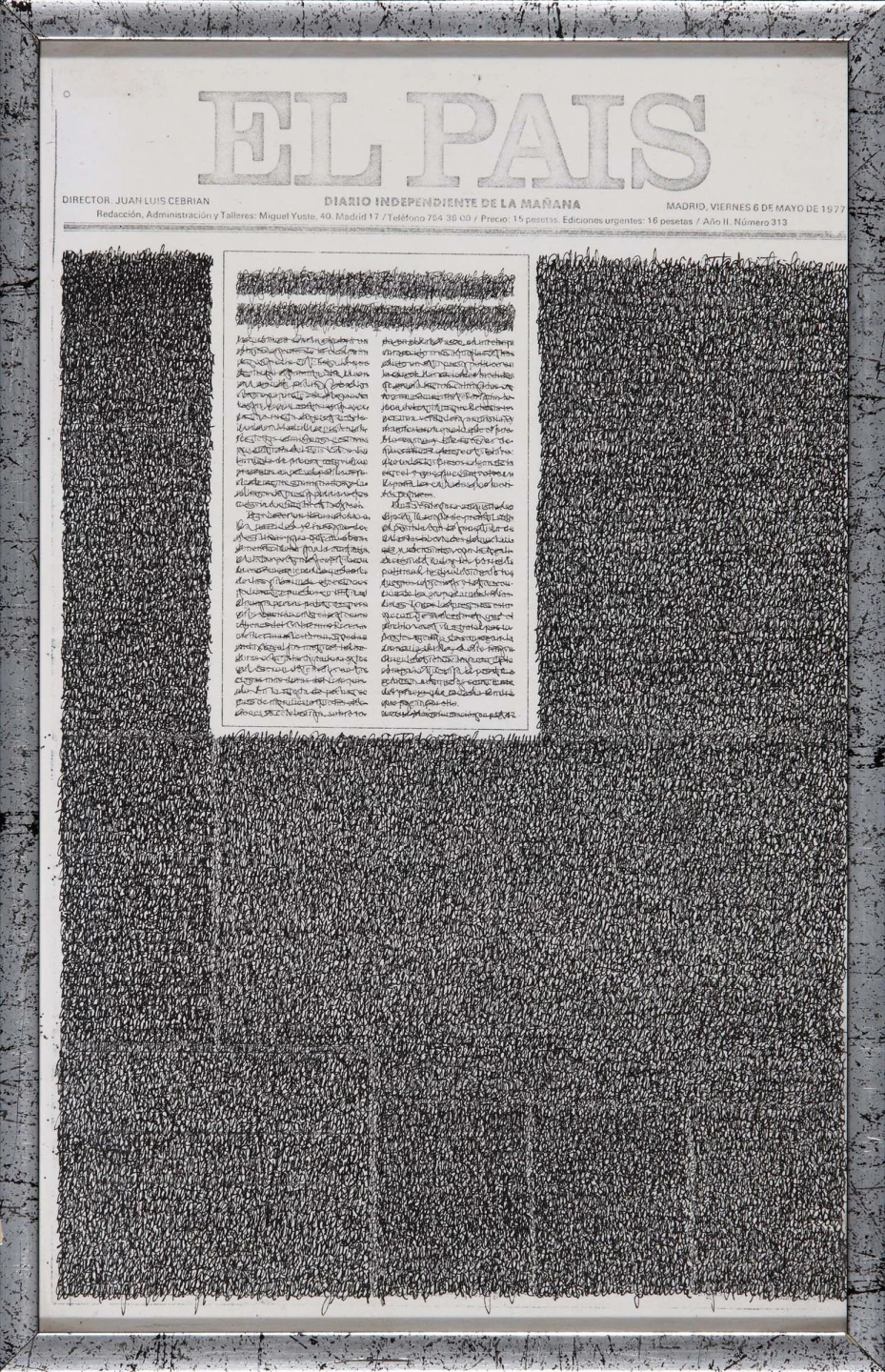
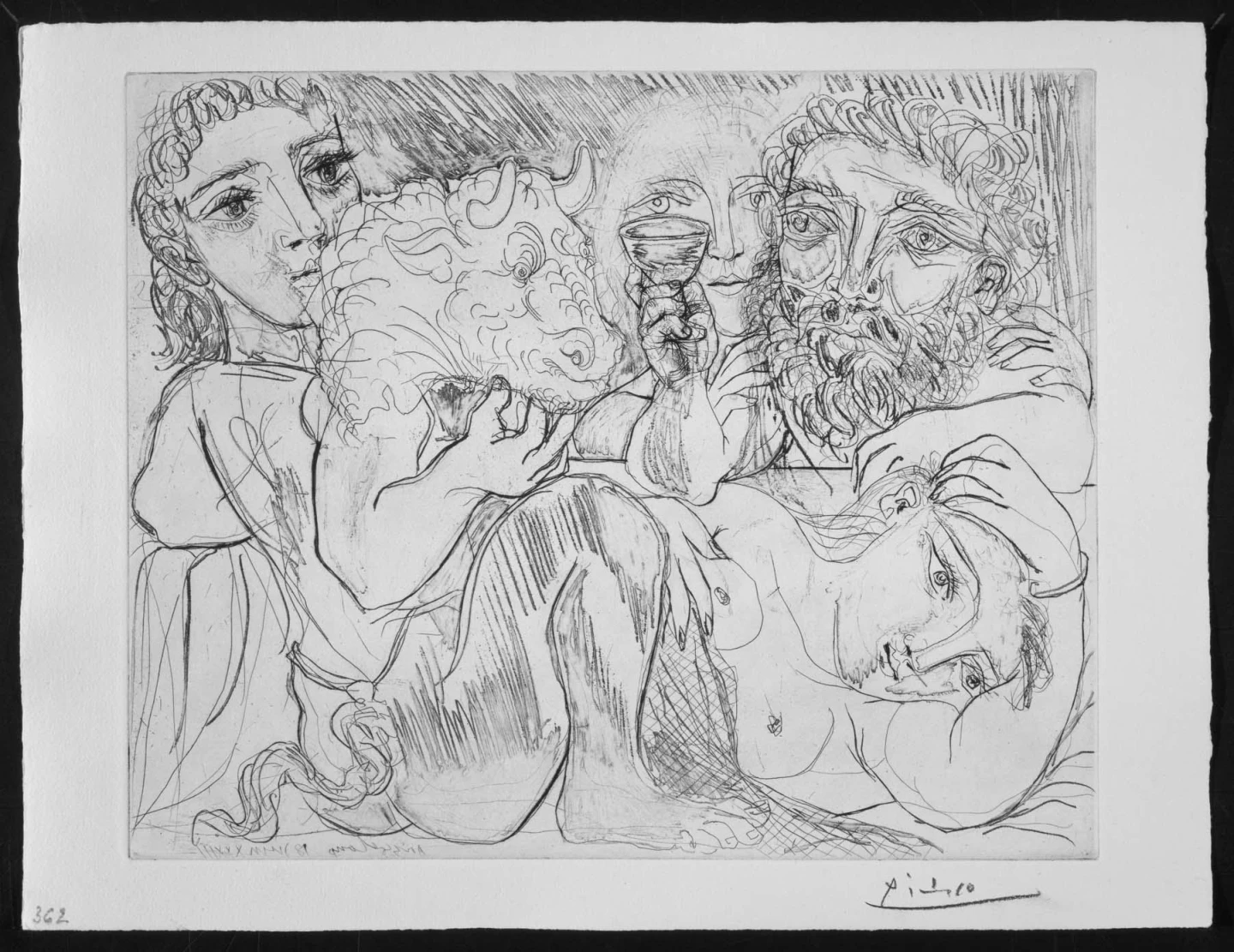
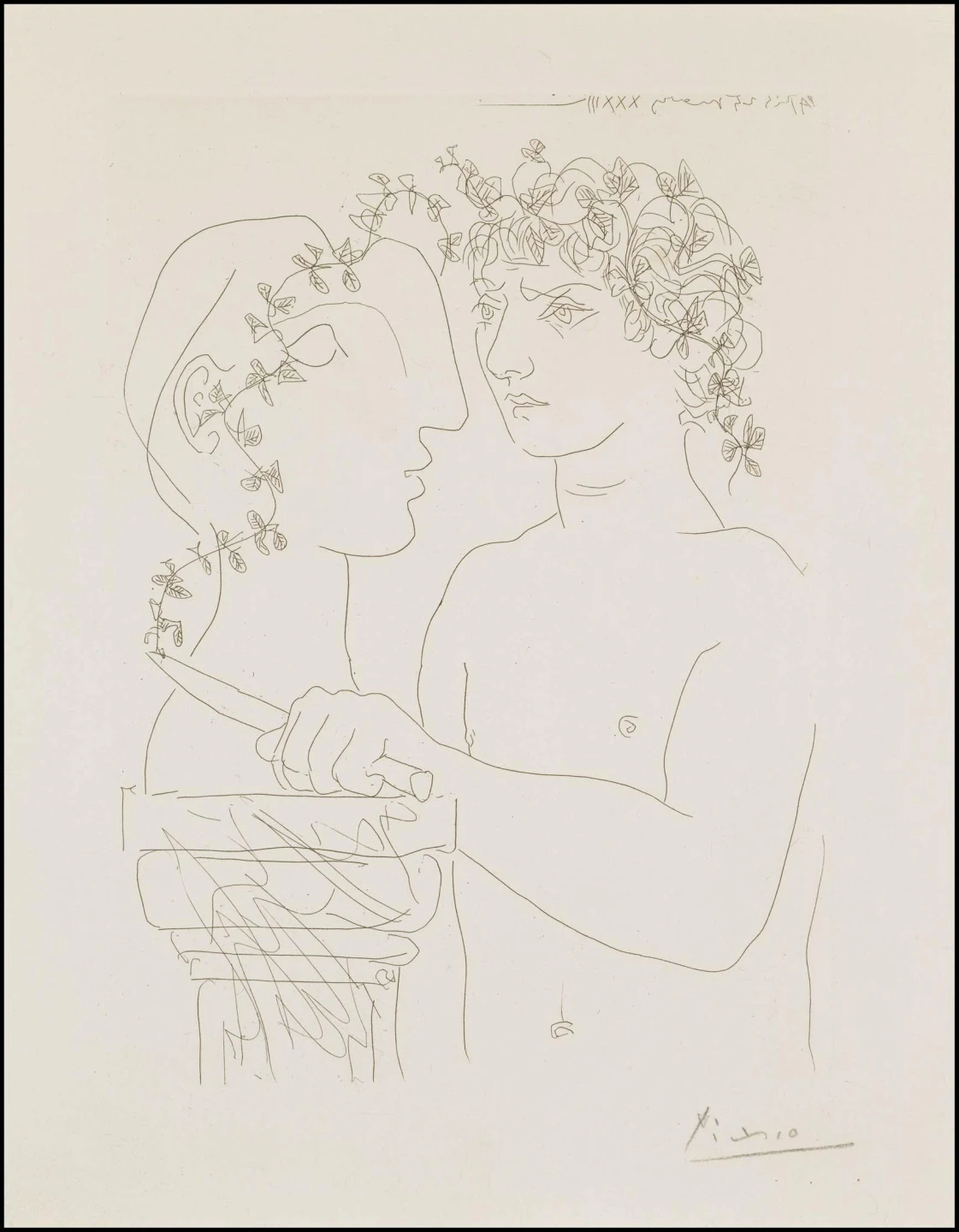
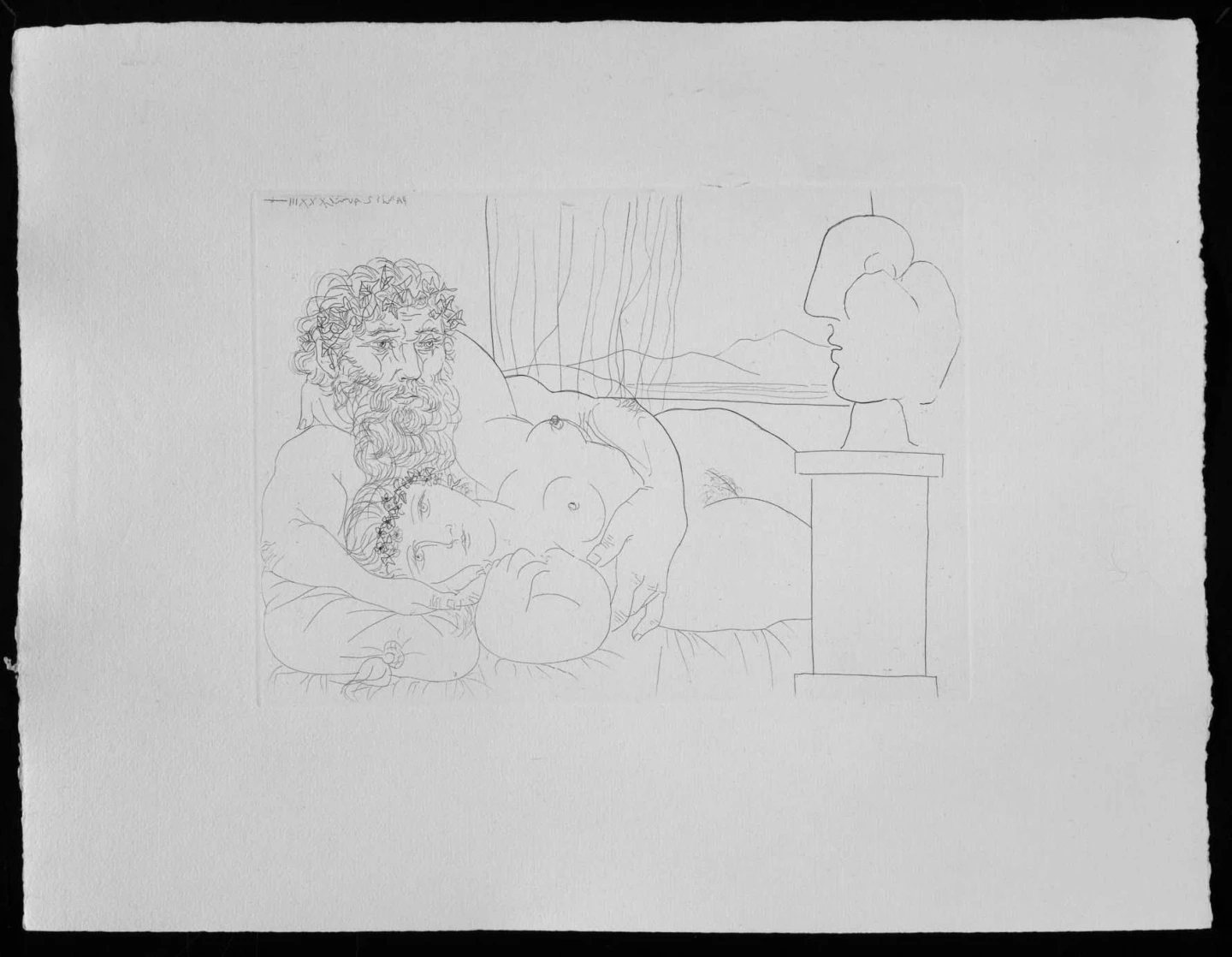
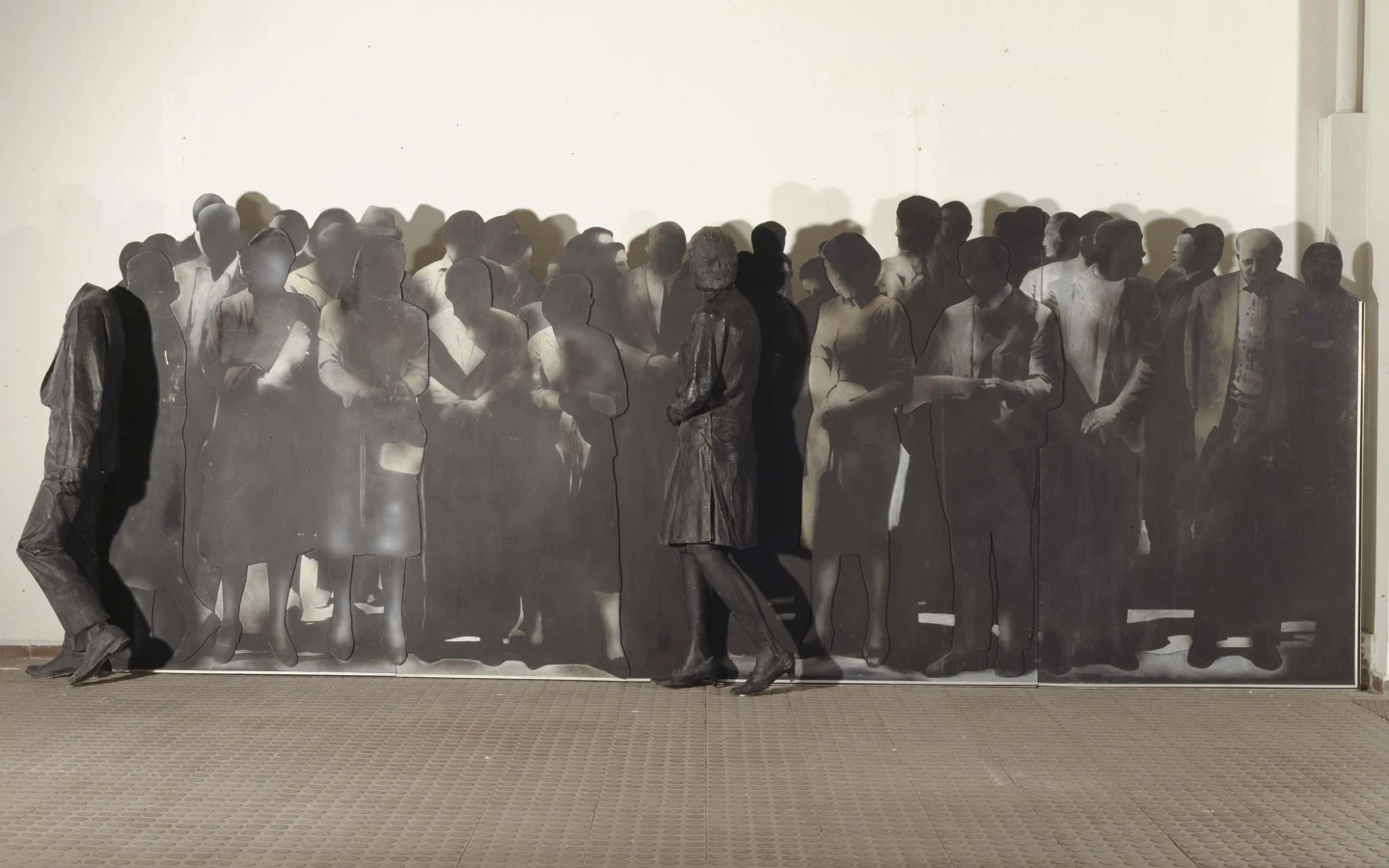
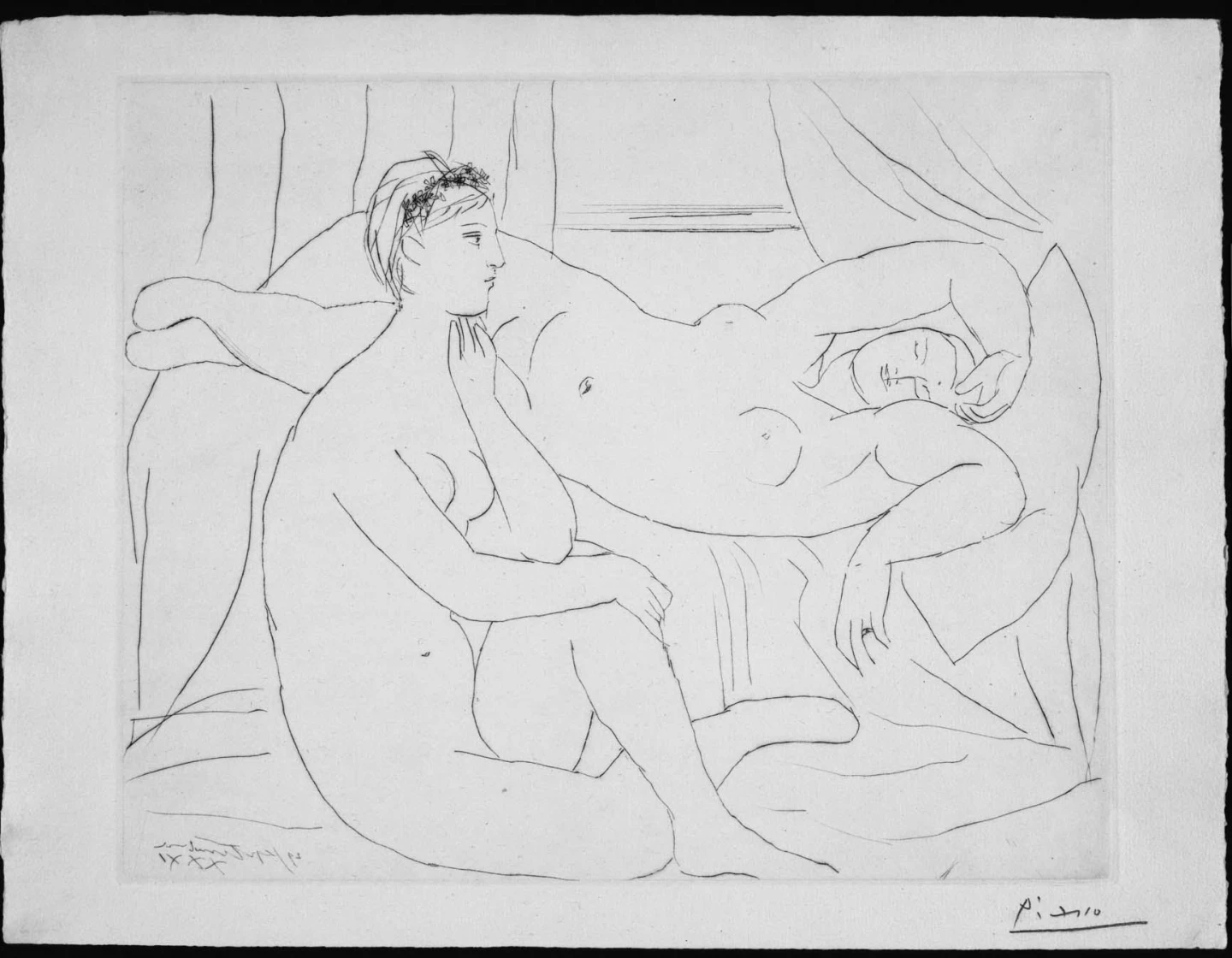
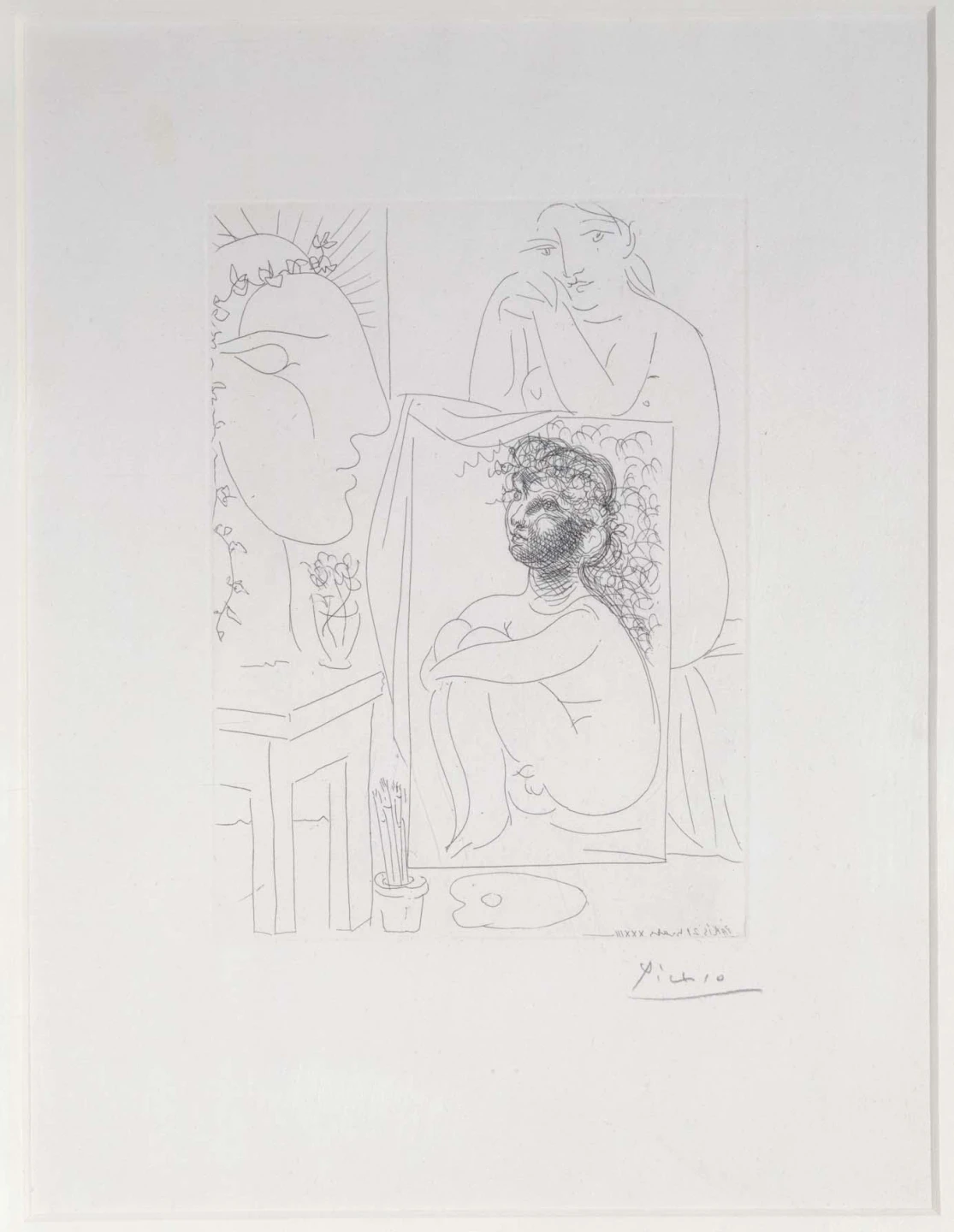
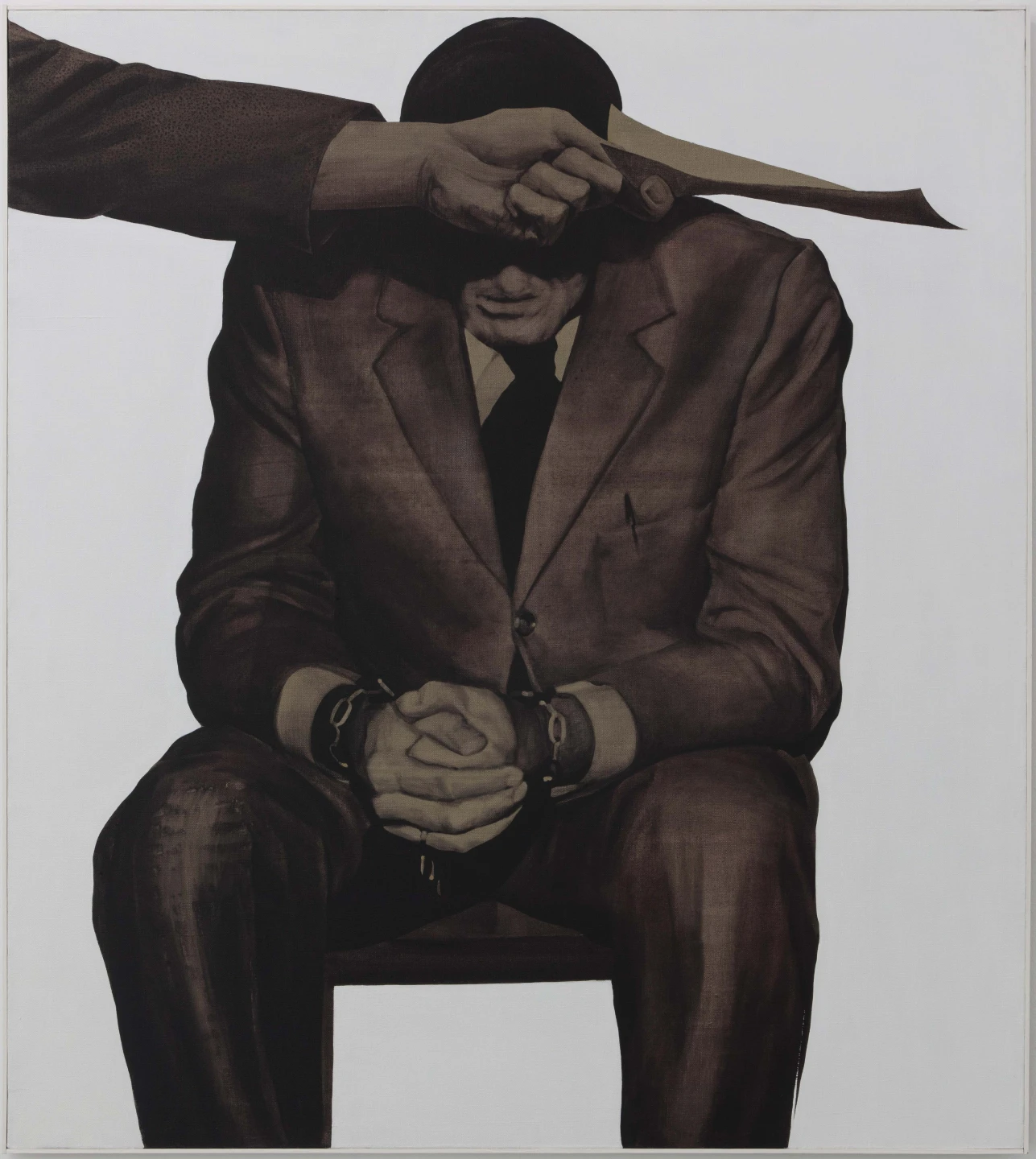
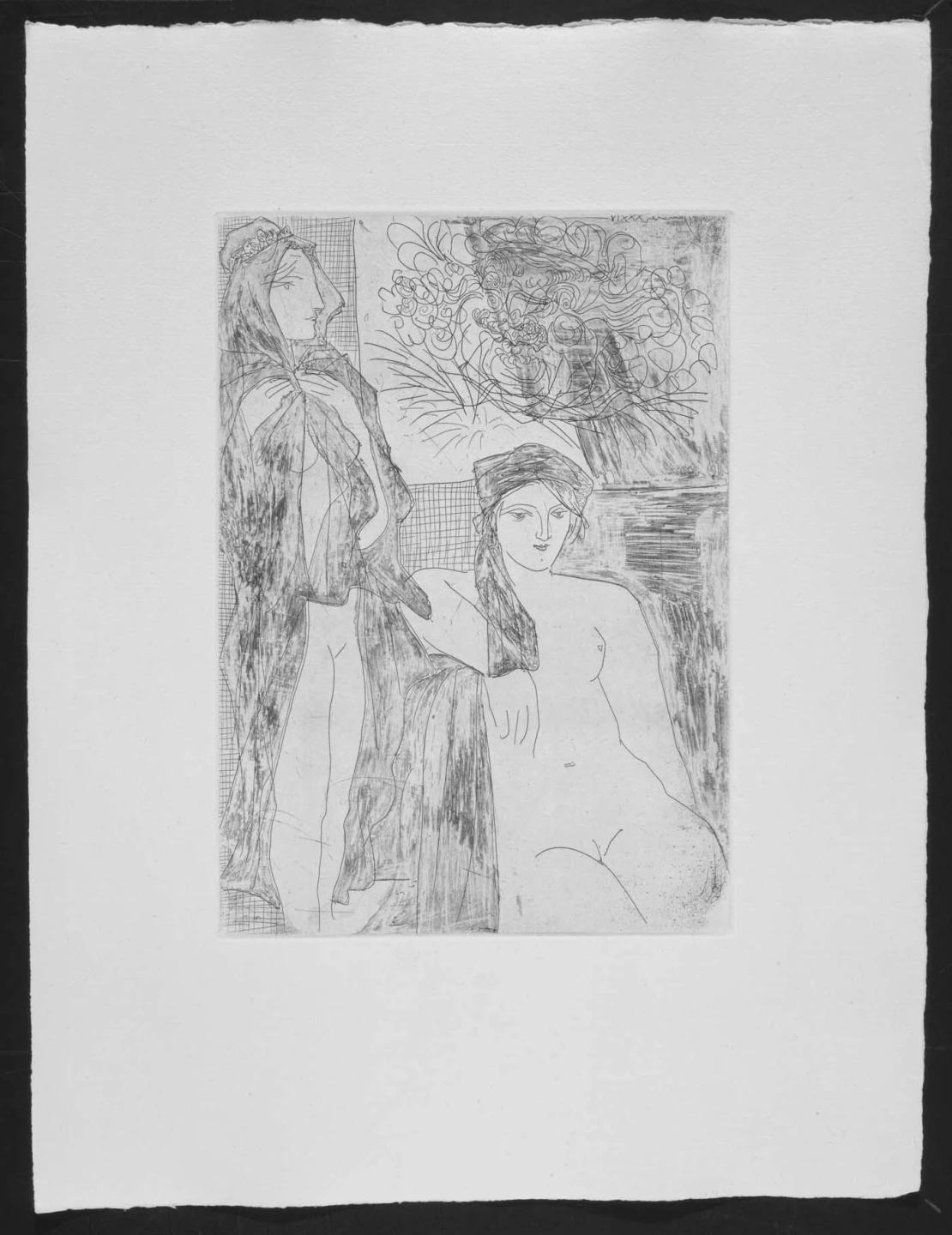
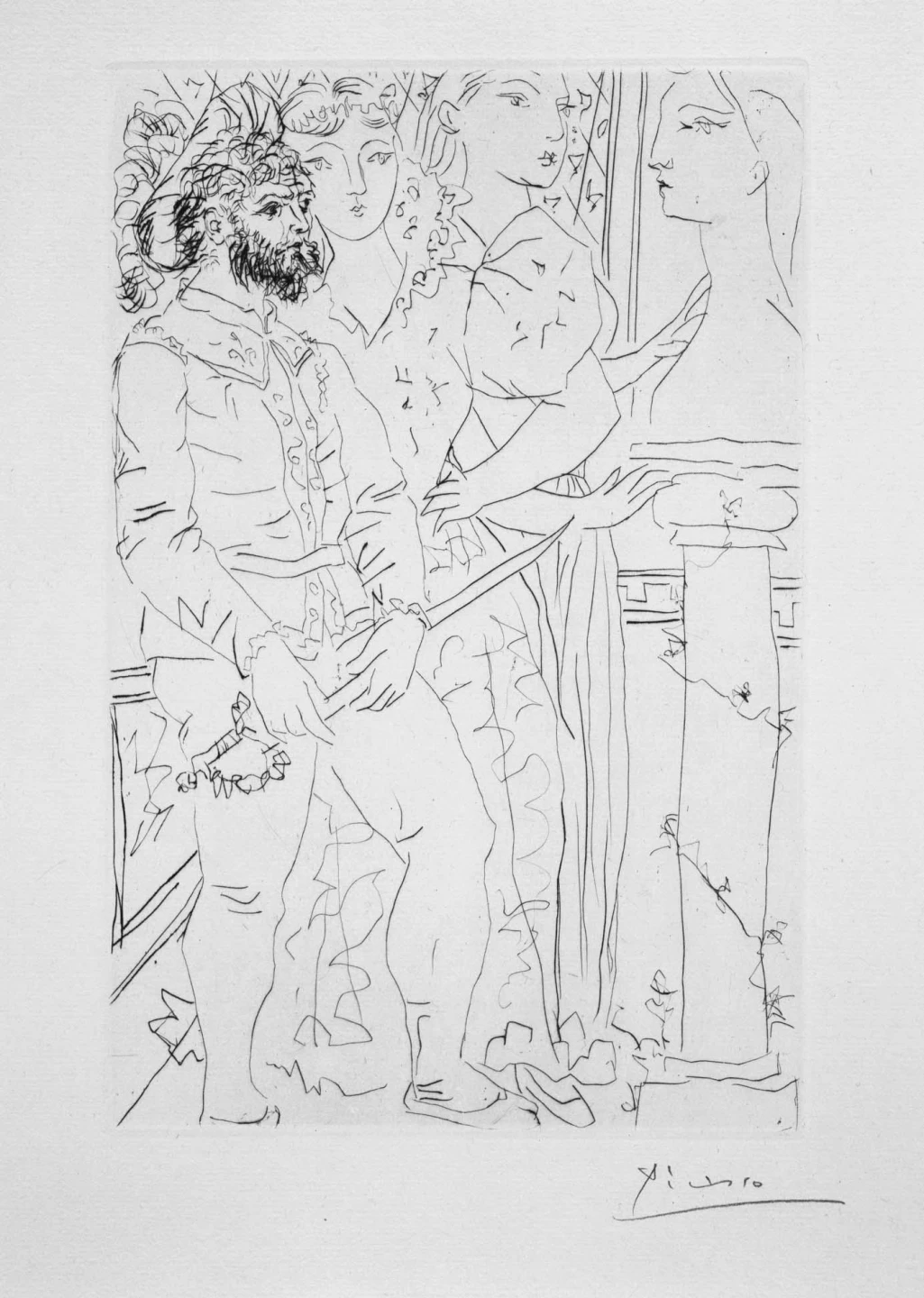
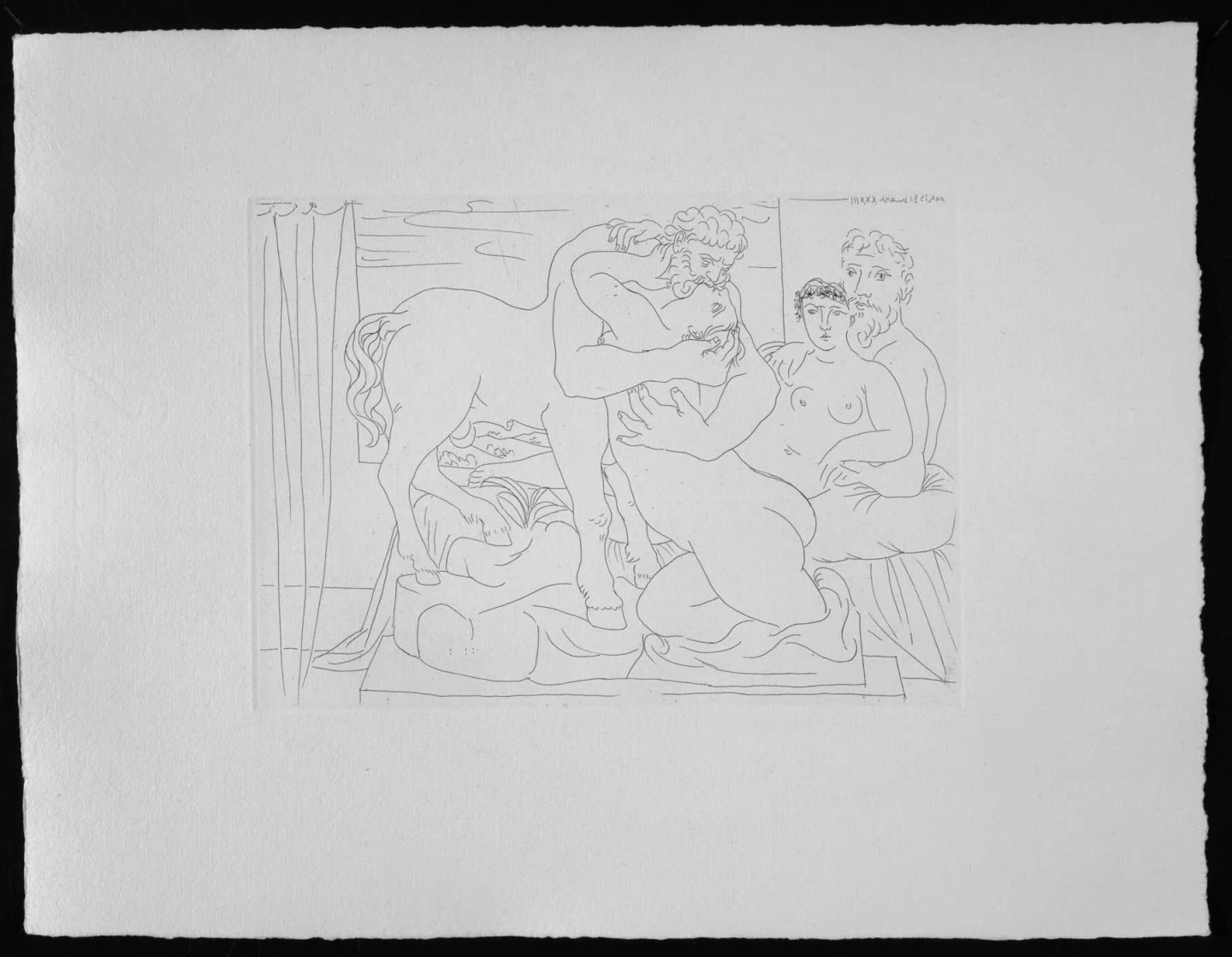
The final years of Franco’s regime witnessed countless artistic expressions of resistance, protest, and repudiation, a production that only intensified after the dictator’s death. Disenchantment with the emotional fragility of the population and the invention of an iconography of protest against direct repression were combined with Spanish artists’ radical approach toward their own work, as evidenced by Joan Miró’s burnt canvases after his return to Spain or the representation of violent censorship in Concha Jerez’s crossed-out texts. Meanwhile, the dictatorship’s demise also led to the brutal destruction of a series of Picasso’s etchings at the Theo gallery in Madrid, in a particularly dark episode of intolerance that must not be forgotten. After all, this museum was founded upon the return of Picasso’s Guernica to Spain—and the confirmation that democracy had been established.
The emotional tone of this uncertainty is captured in the short film by Iván Zulueta in which tension within public space transitions from the collective to the private realm in the documentation of the repression of a public meeting, or of a suicide attempt. The music composed for these images by Jota, from the rock group Los Planetas, unfolds the past into the present, so that that moment is also now.
14 artworks

Room 2
Material Counterculture