Room 7
Pandemic and Language
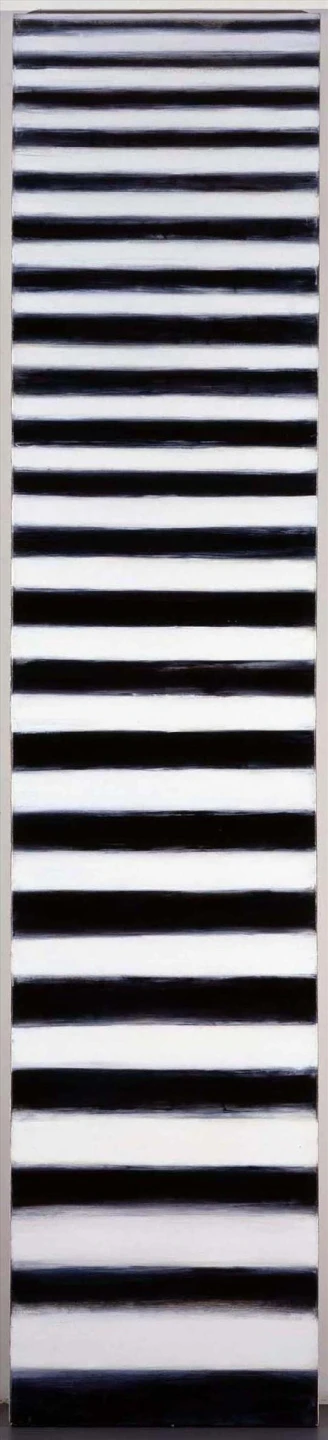
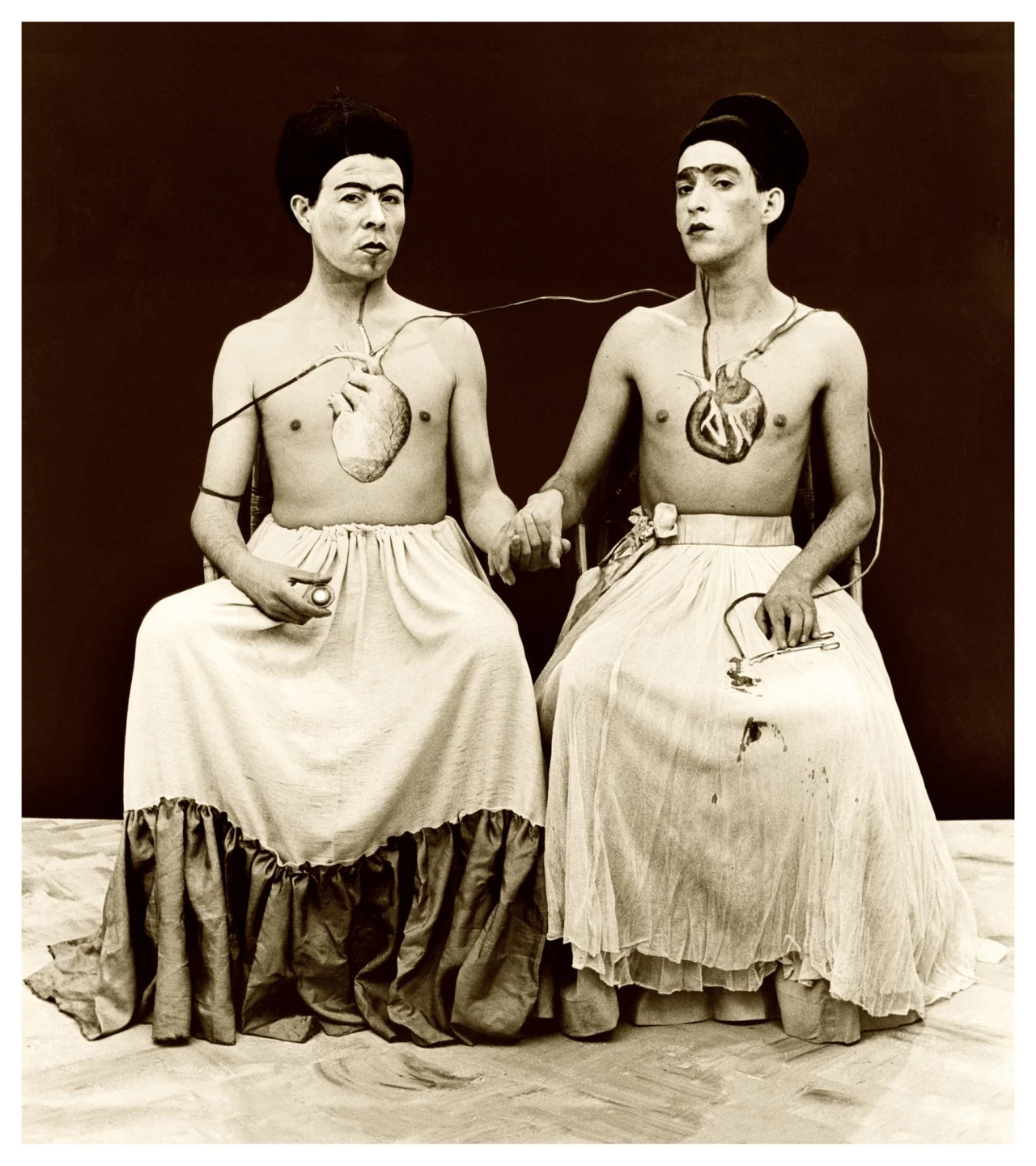
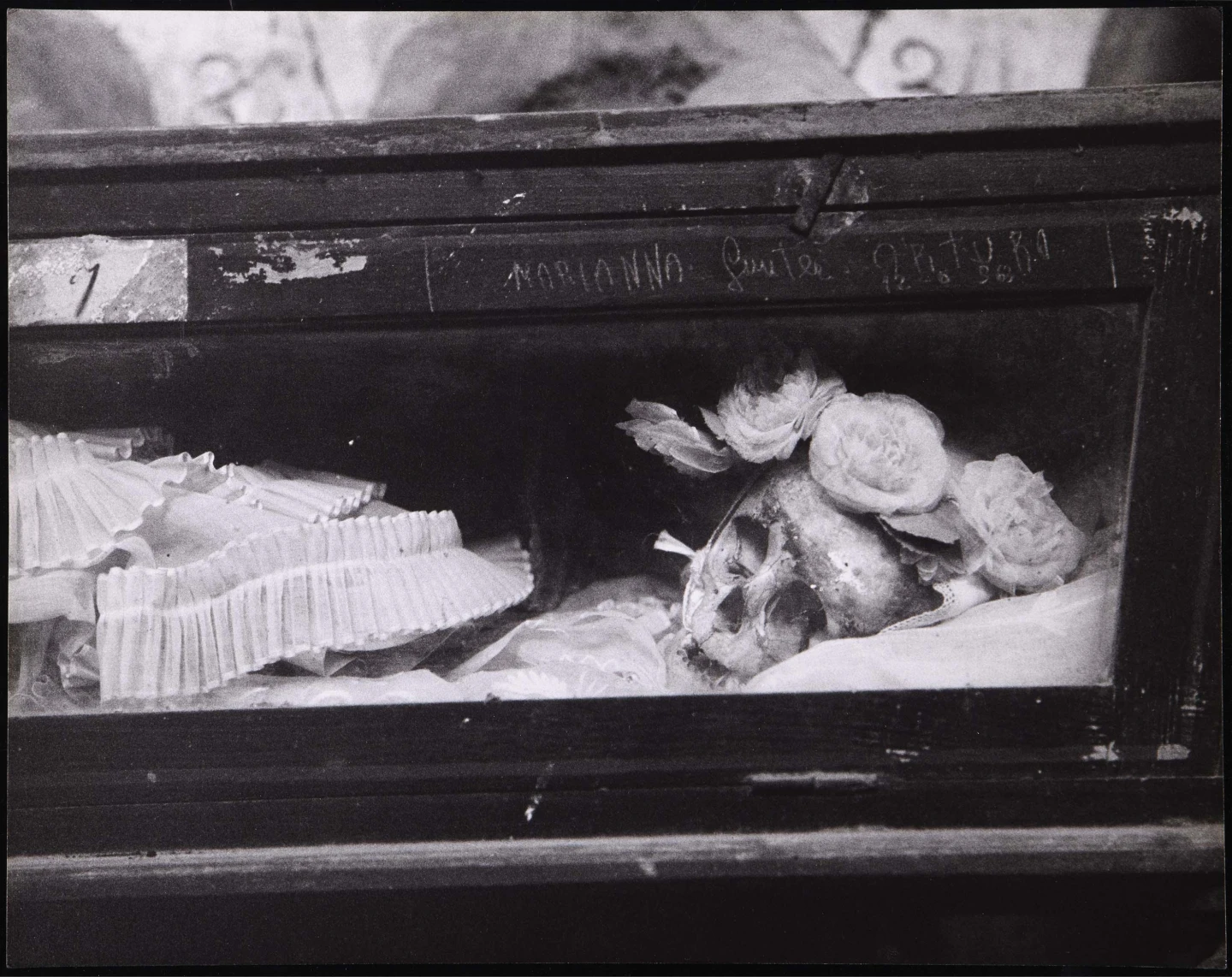
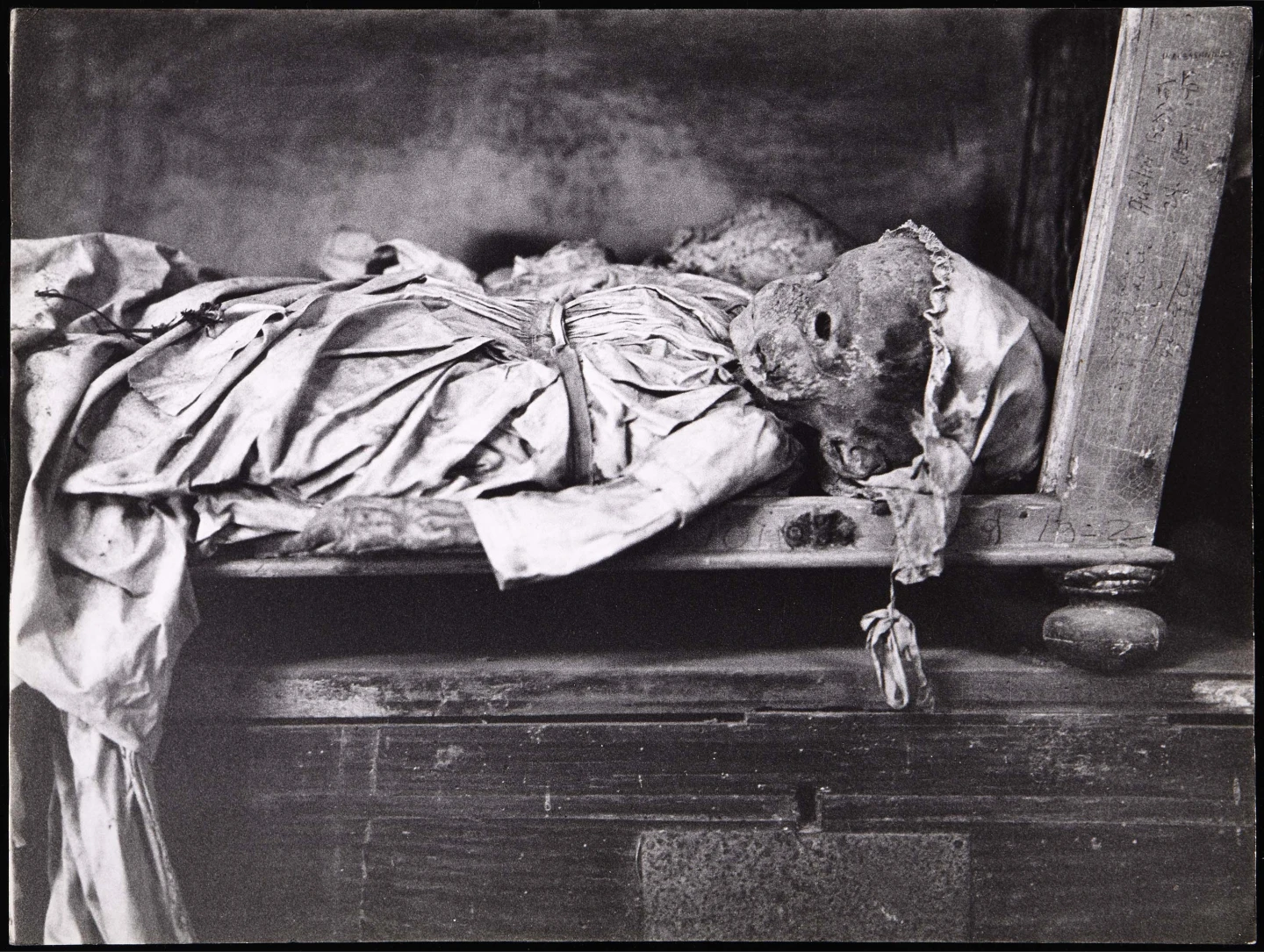
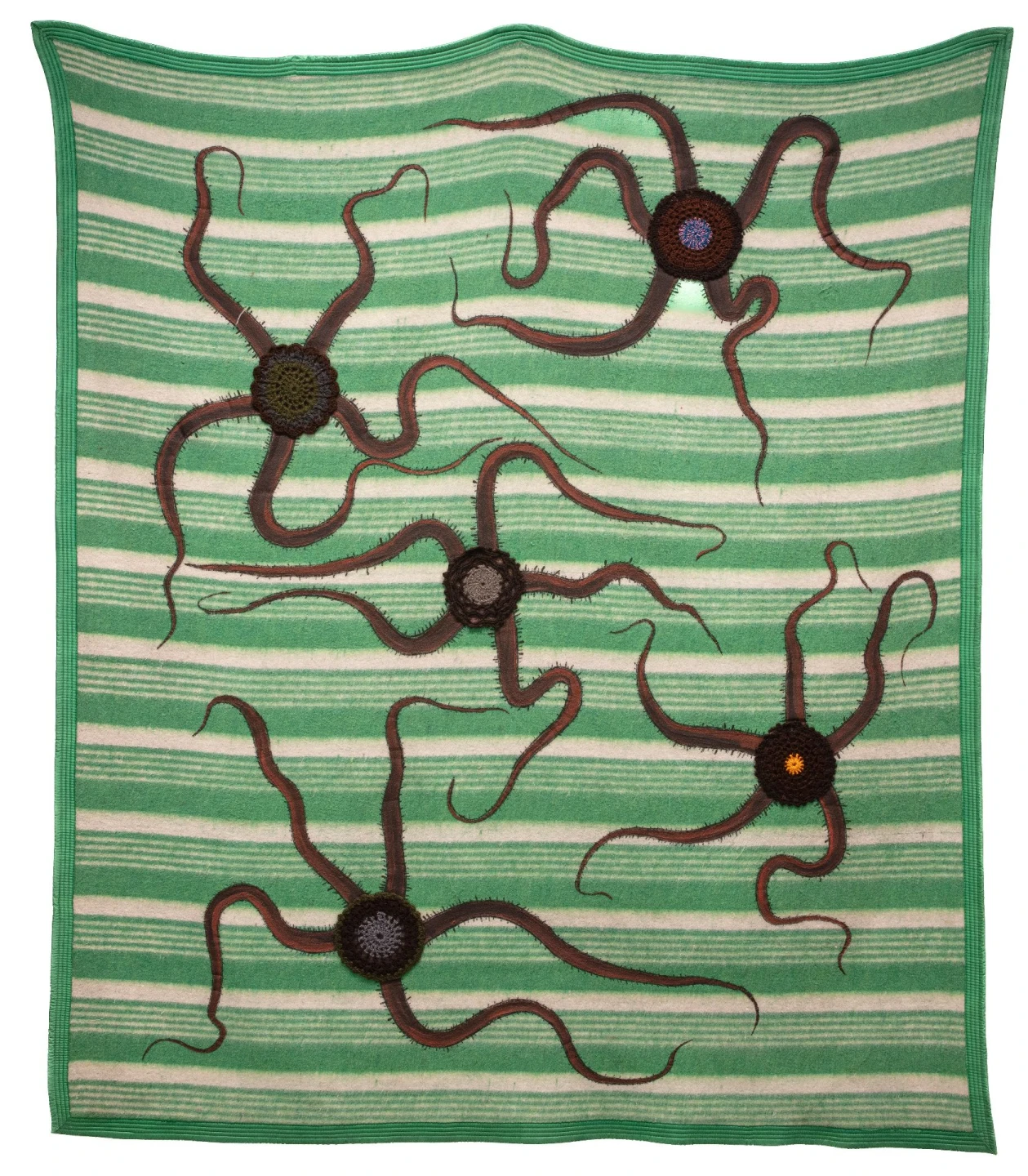
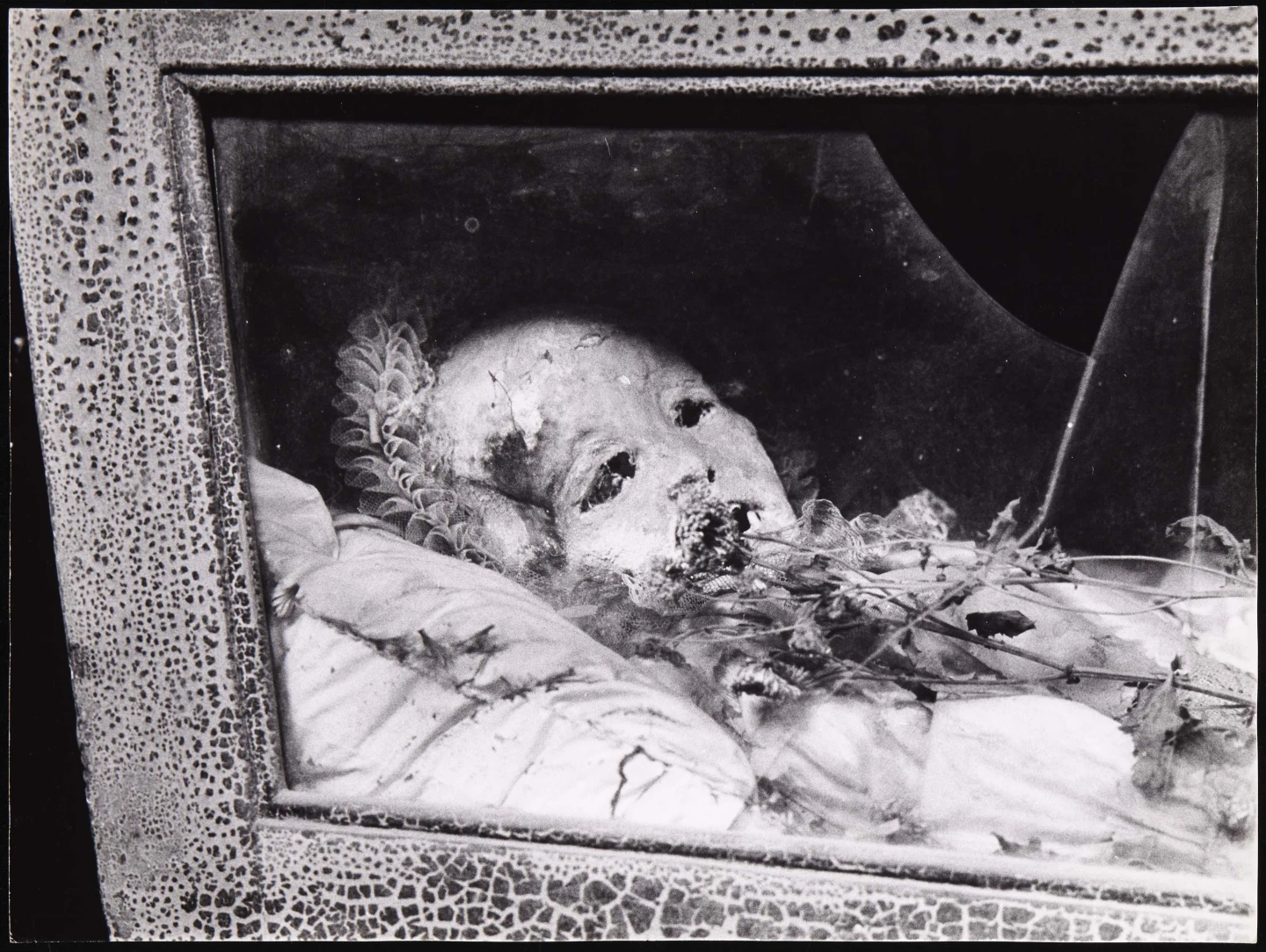
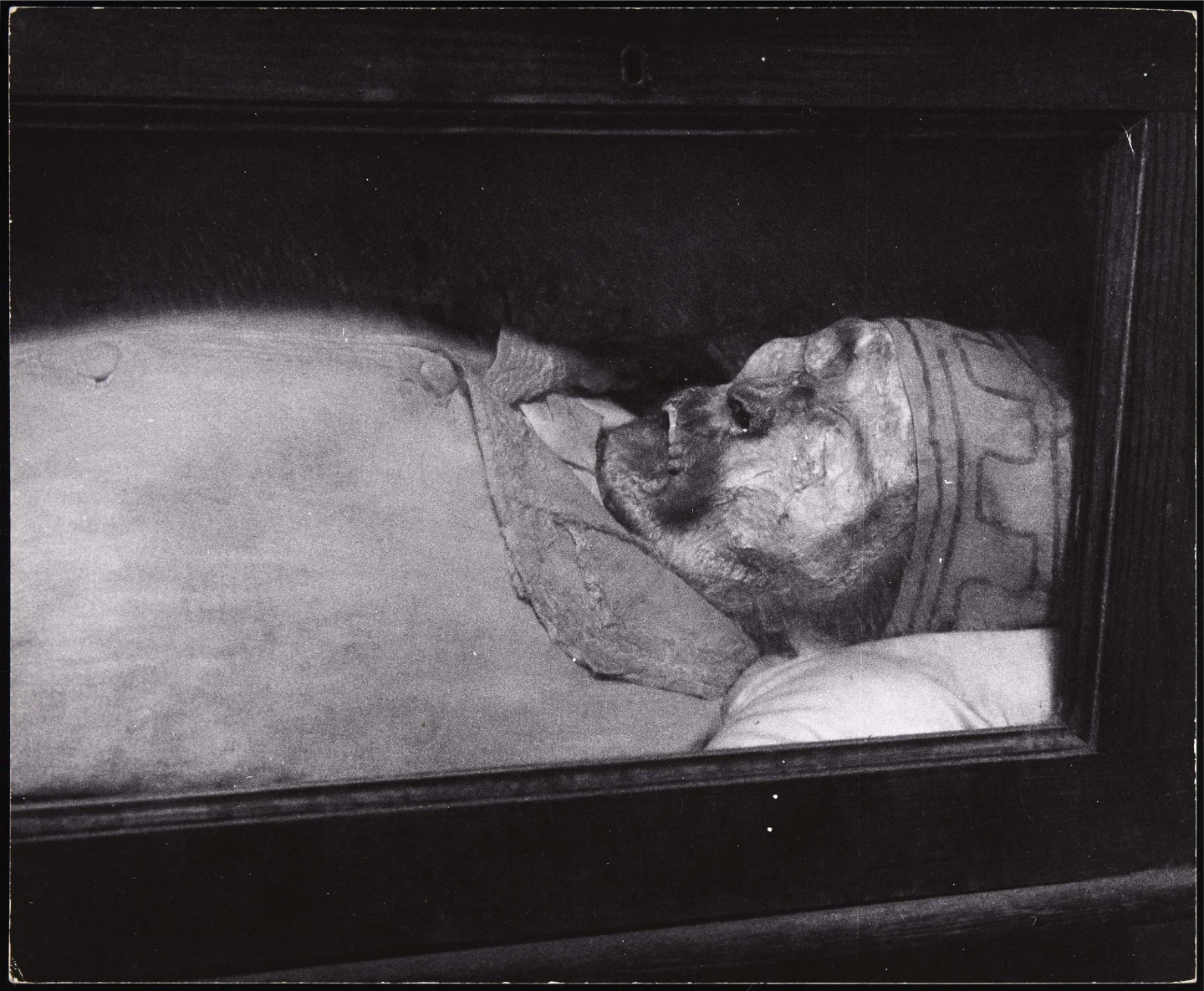
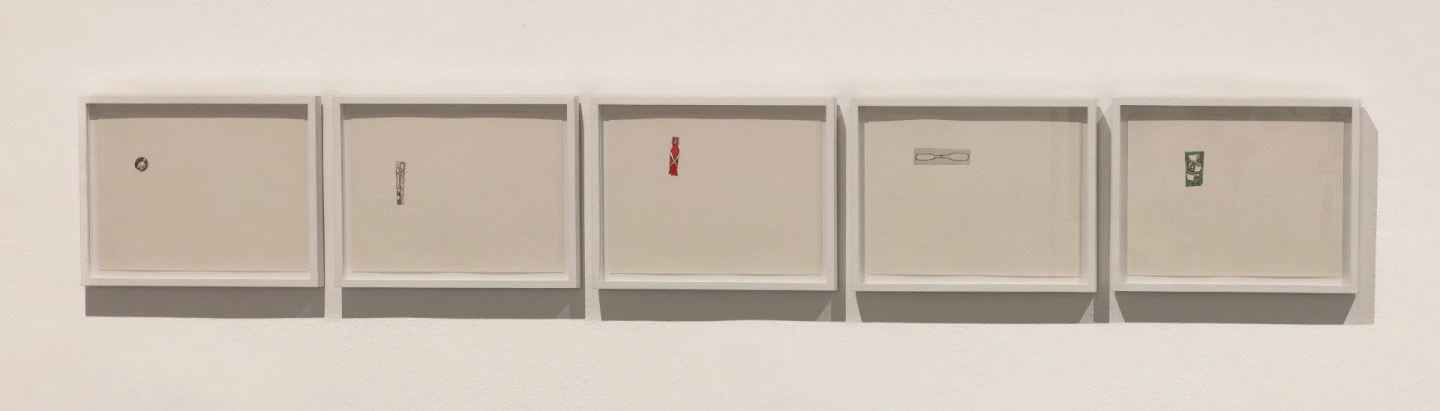
The AIDS pandemic emerged in the mid-1980s and reached its global peak in the mid-1990s. The devastation it wrought coincided with a cooling off of artistic practices rooted in expressionism, and although much traditional art would address the subject, it was critical conceptualism that produced the AIDS aesthetics, particularly notable in their insistent assertion of an indeterminate loss. The philosophies of language that gave rise to conceptual art, from Ferdinand de Saussure’s structural linguistics to Craig Owens’s allegorical thinking, placed the ghostly relationship between representation and reality center stage. Any exercise in language was understood as confirming a loss: saying something does not mean expressing it, but rather pointing out its absence.
The polysemic yet opaque language of contemporary art and the elusiveness of its departure from both realistic representation and direct communication make it particularly well suited to occupy the emotional space in which cultural production finds itself amidst a humanitarian crisis. This late-stage condition of a language throwing itself into crisis gave rise to a unique emotional tone, where the process of interpretation acquired an intimacy unheard of in previous decades. That intimacy and those affective states do not reside in the works; as in a psychoanalytic object, they must be invested by each viewer, situated in the moral territory of commitment.
9 artworks



Room 6
Ruptures: A Junk Aesthetics
Room 8
What Does AIDS Do to Art?