Room 6
Ruptures: A Junk Aesthetics
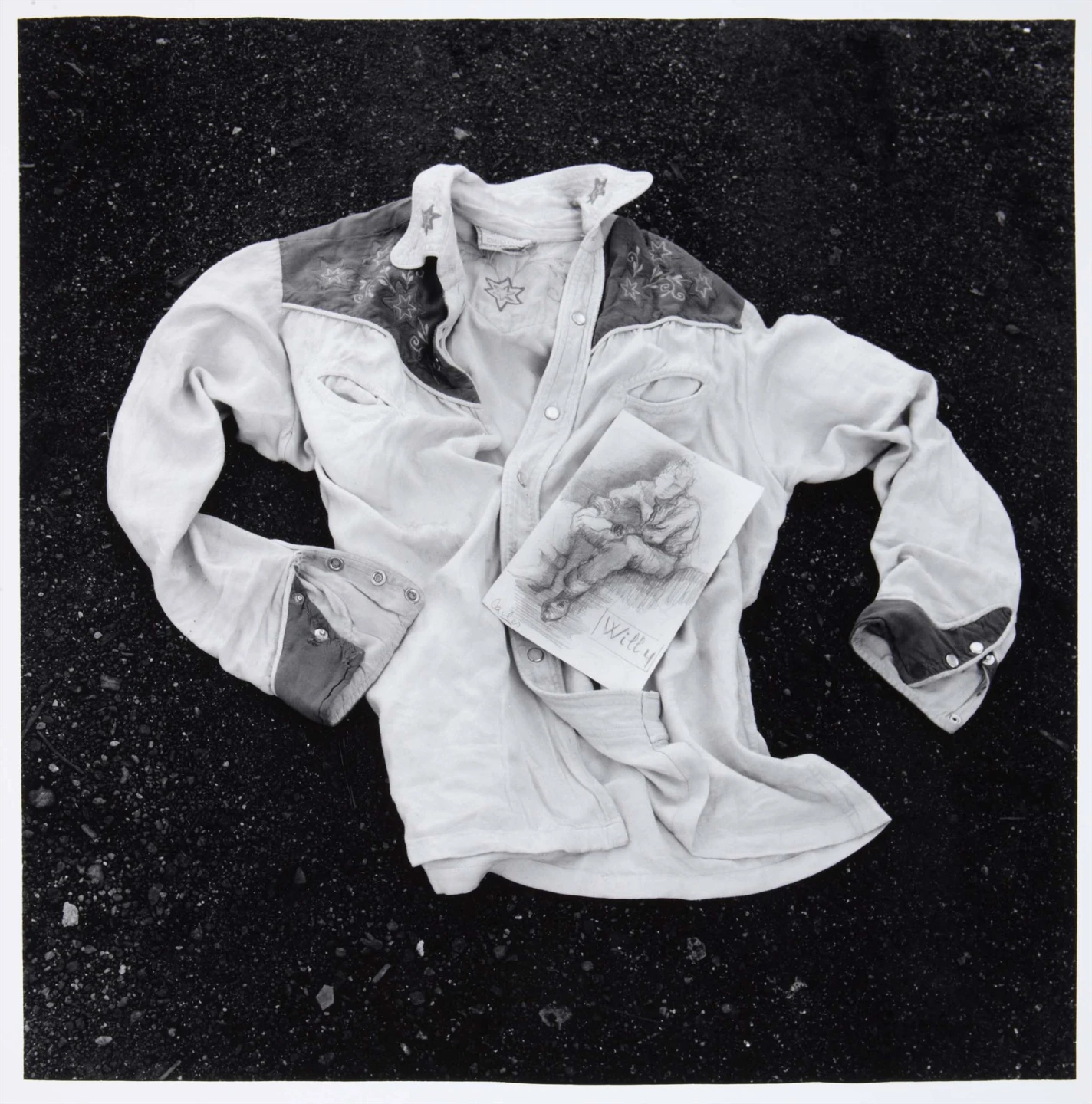
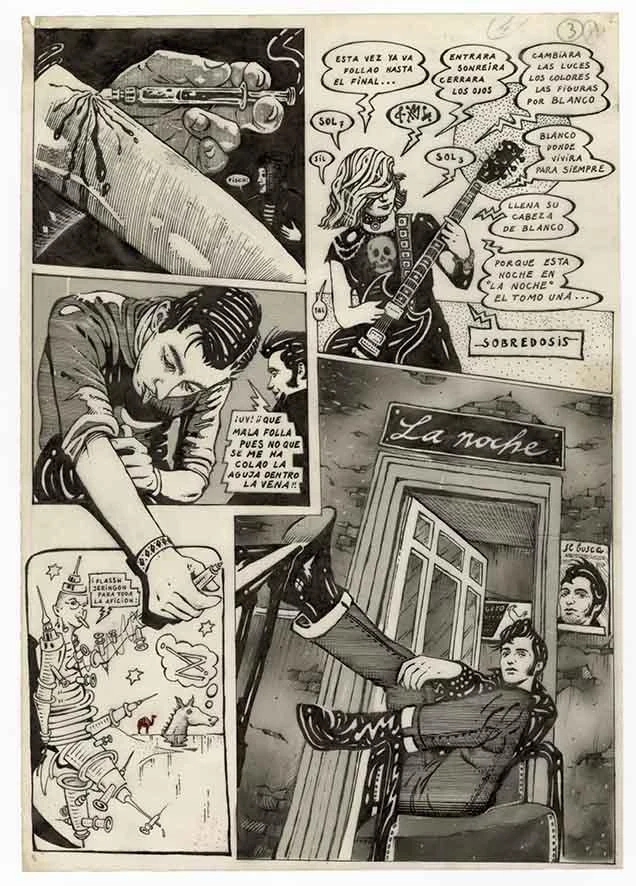
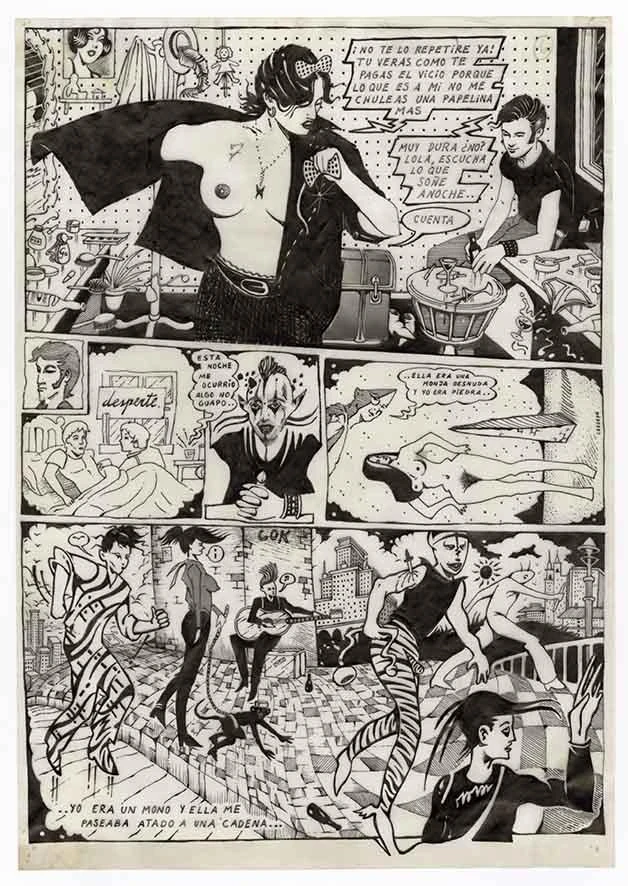
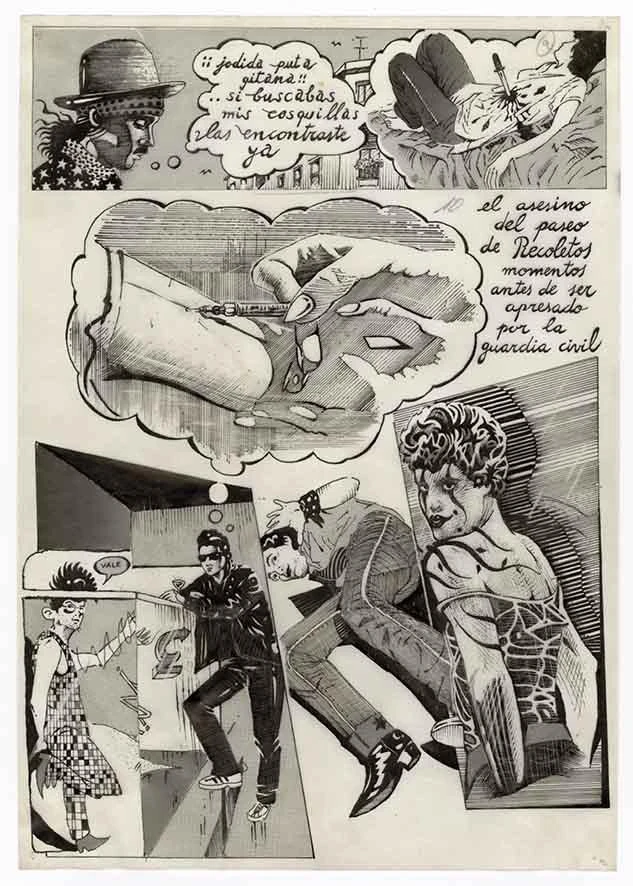
The Spanish heroin epidemic left more than a hundred dead in 1983, and by the early 1990s it had become the leading cause of death among young people in large cities, reaching a peak in 1992 with 1,700 fatal overdoses. In the selective tradition that reconstructs the present by recovering a forgotten past, the relationship between junkies and artistic creation was fundamental in Spain, like a genealogy yet to be written.
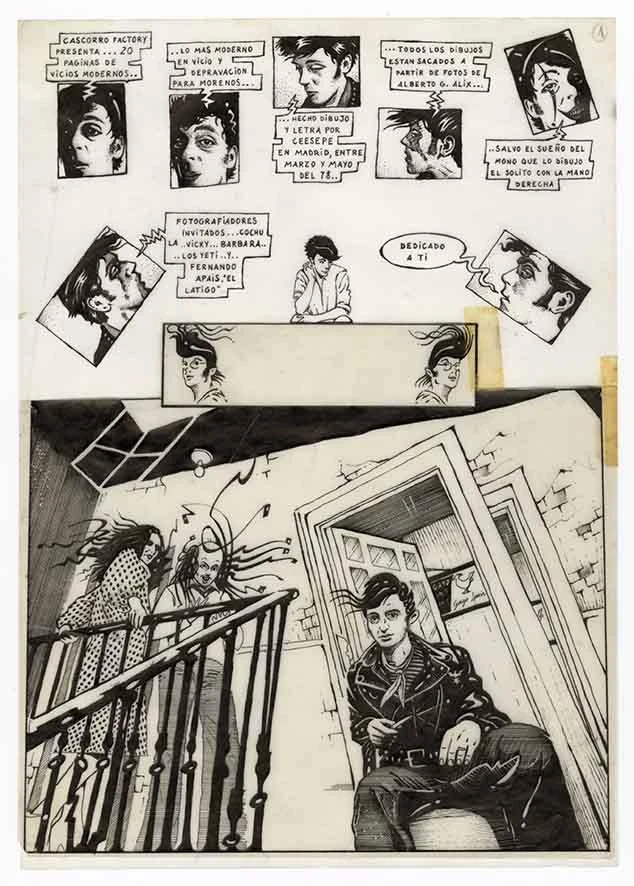
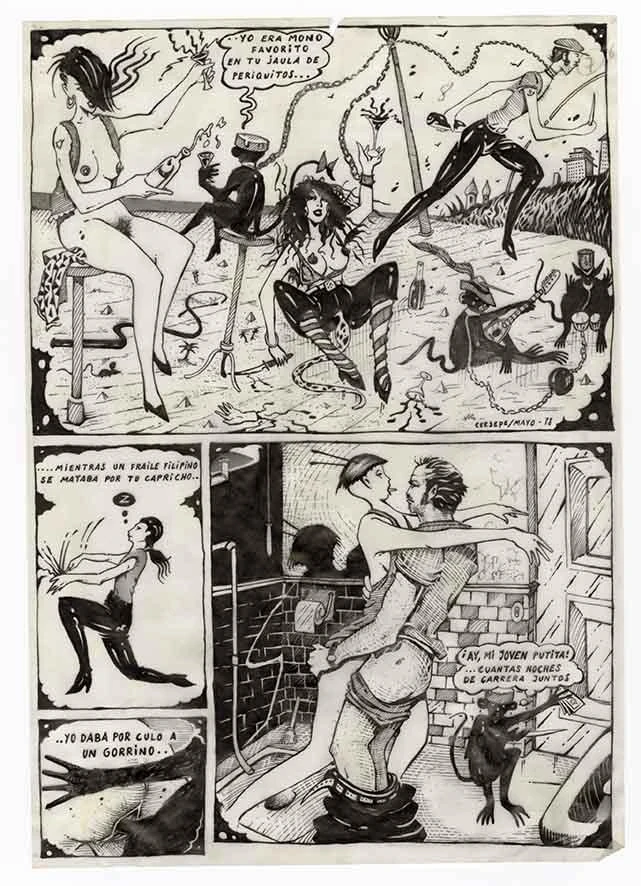
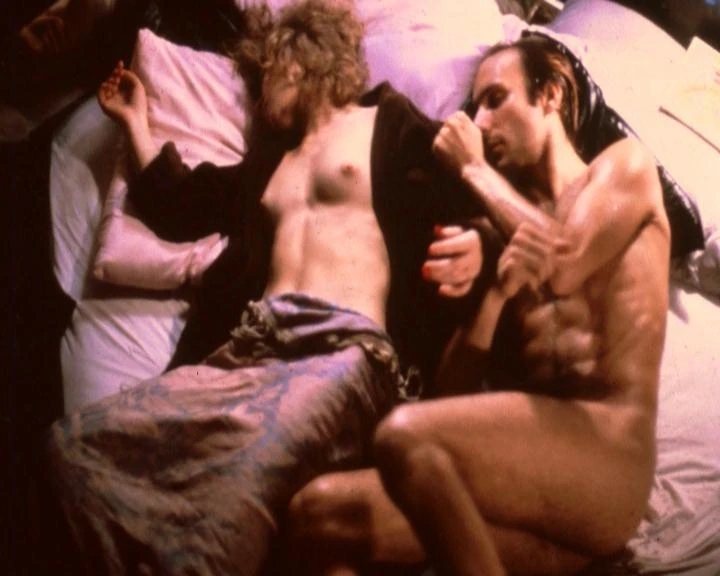
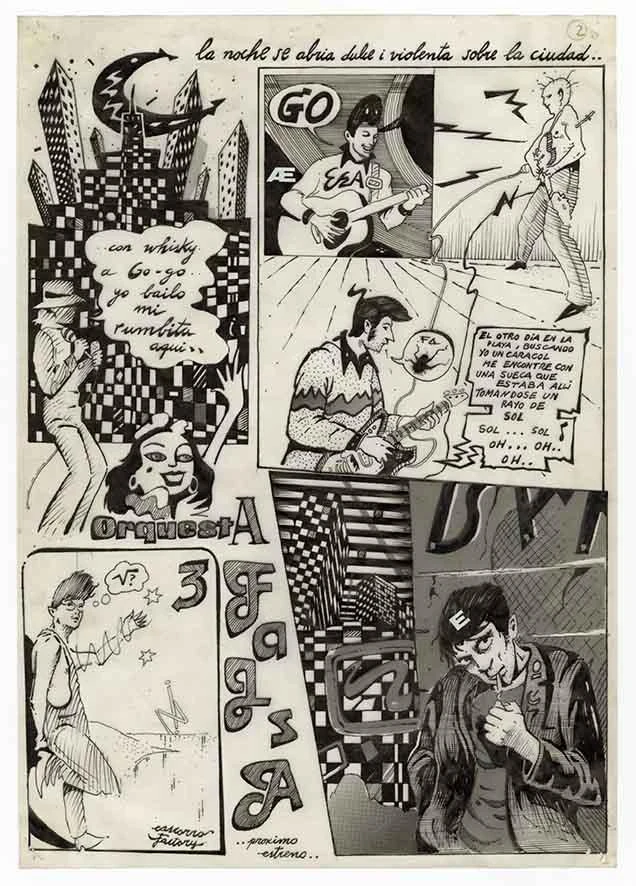
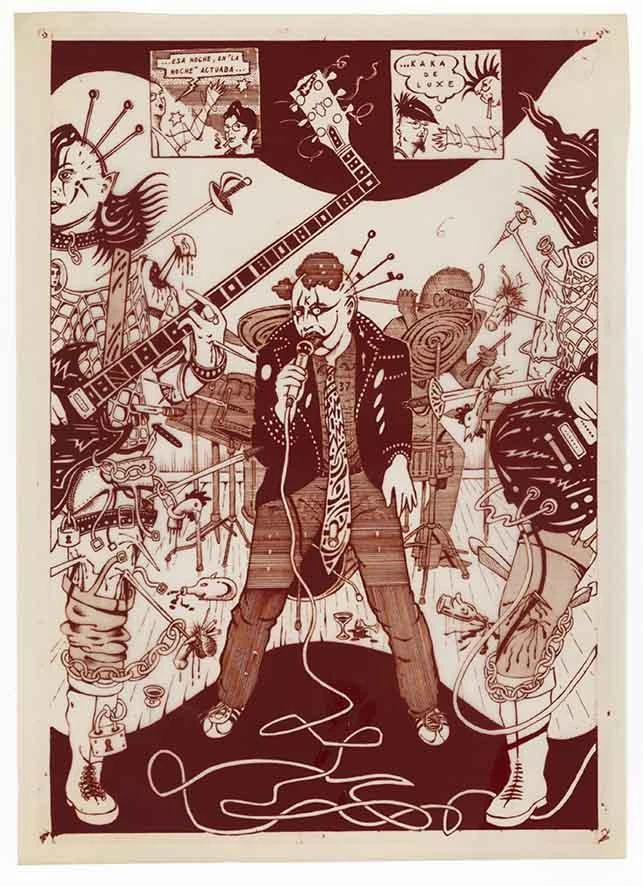
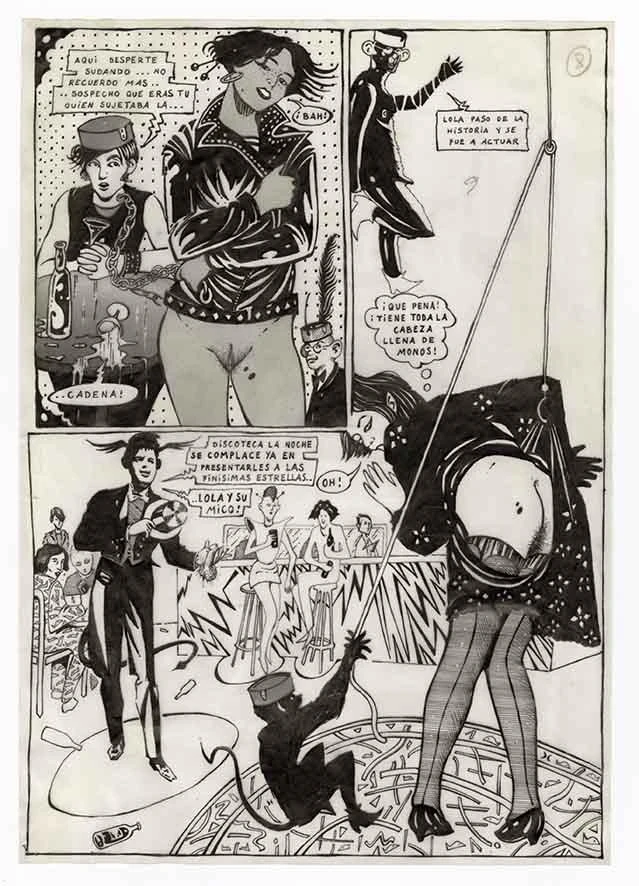
They were called the “lost generation” of the 1980s, sometimes romanticized and almost always blamed, yet they were enormously productive for the aesthetic system of the Spanish transition to democracy. Both in the new photography, which proposed a poetic ethnography of everyday life during La Movida, and in the comics of the time, drug addiction was an unavoidable subject approached from a street-smart, first-person perspective, and it ultimately influenced the construction of an incipient social conscience in the media. The pinnacle of this representation is Arrebato (Rapture), a key film by Iván Zulueta, where cinema itself became a vampiric condition as an explicit metaphor for the consumption of heroin, inextricably linked to creation and the sacrifice of life.
25 artworks


Room 5
Port Activities: Cruising and Aesthetic Revolt
Room 7
Pandemic and Language