Room 8
What Does AIDS Do to Art?
AIDS in Spain was linked to many factors, but the proliferation of needles was devastating. There is a rigid semantics, a meaning that has become attached to artists by association: freedom, extreme lifestyles, addiction, and so on. In this sense, the need for visibility and ethnographic practices are central as tools for raising awareness in the face of an invisible pandemic, in which the disease was and continues to be stigmatized. The illness was never individual, but social, and exhibitionism was part of the political tactics wielded by the artists who addressed it.
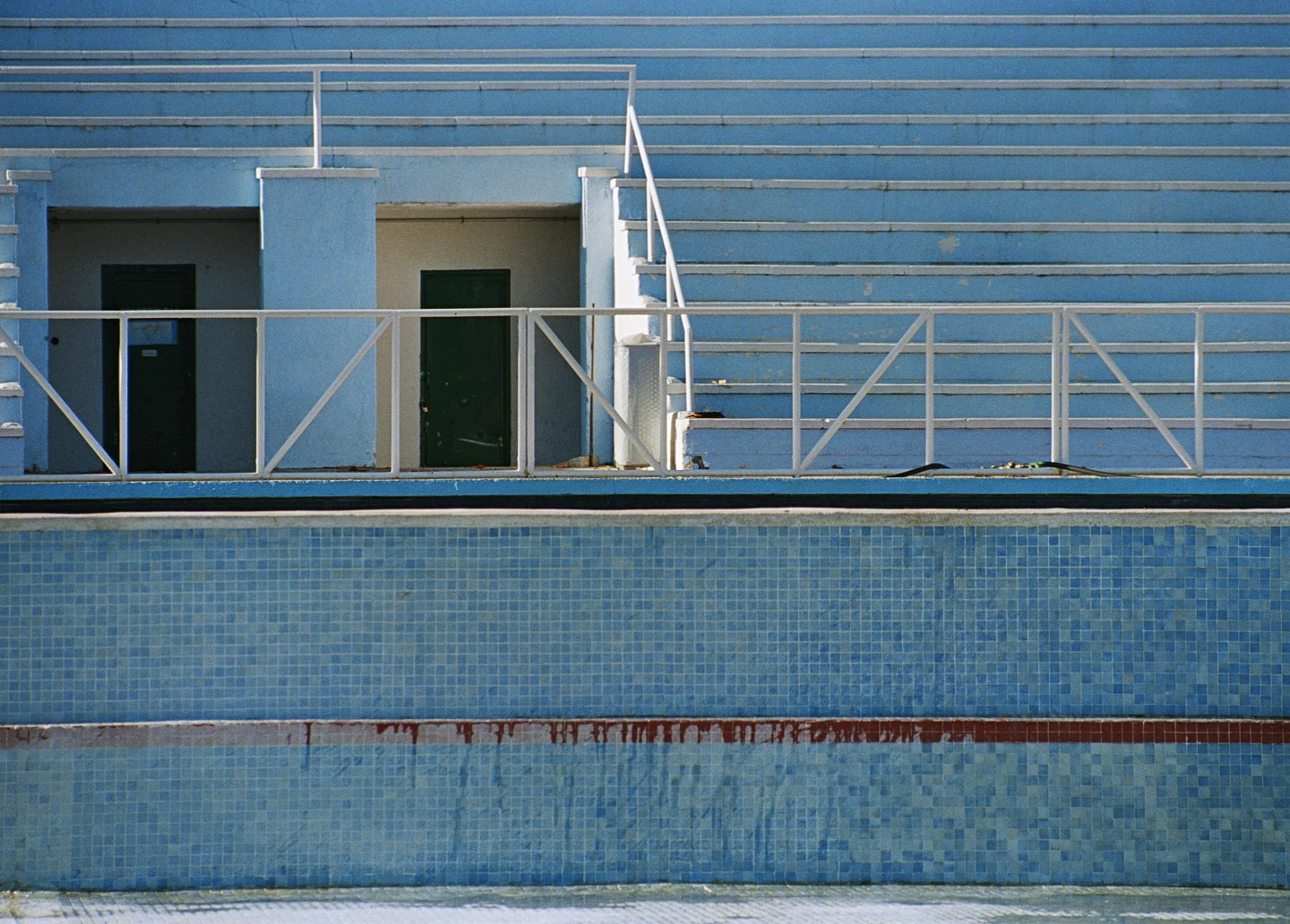
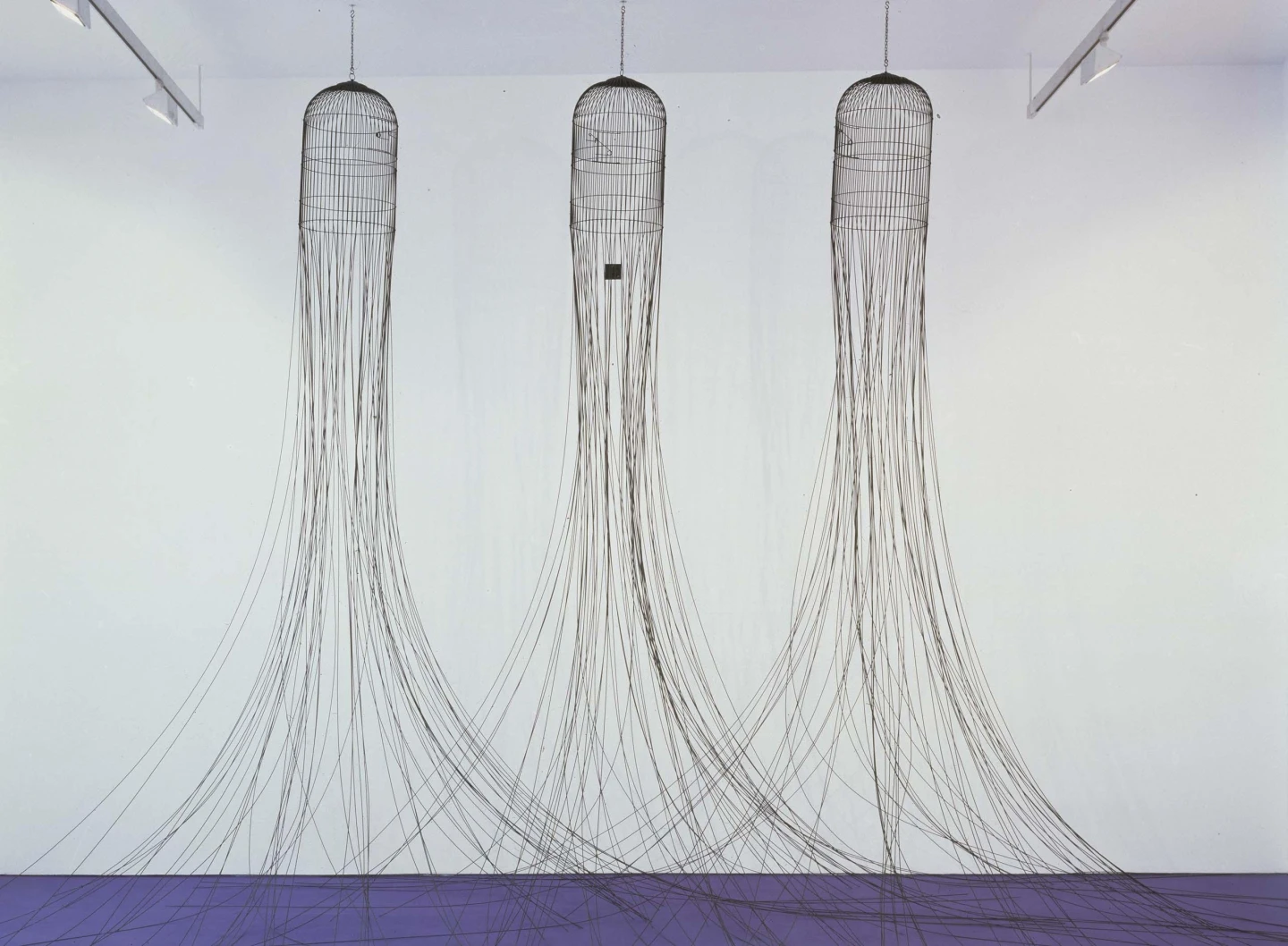
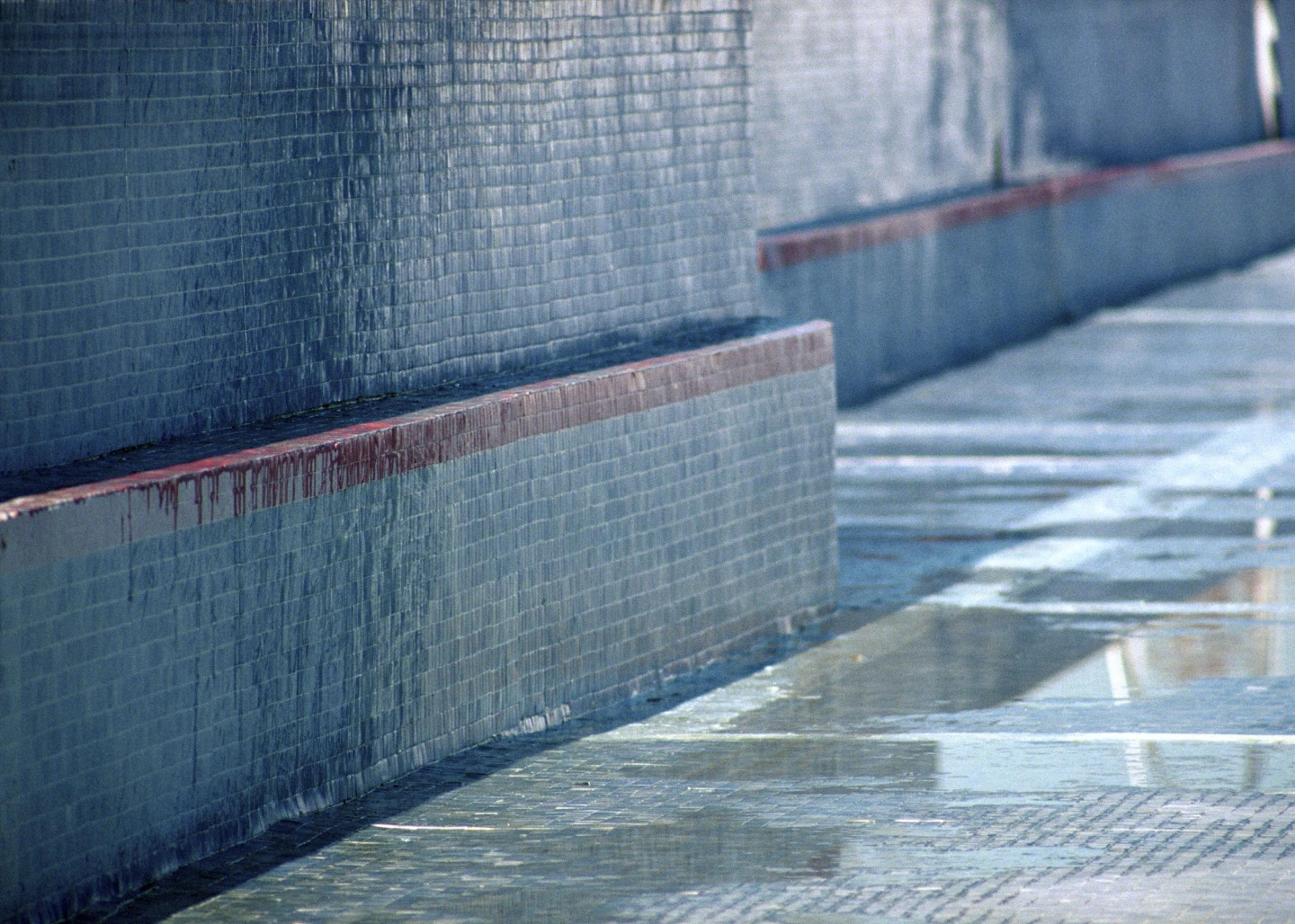
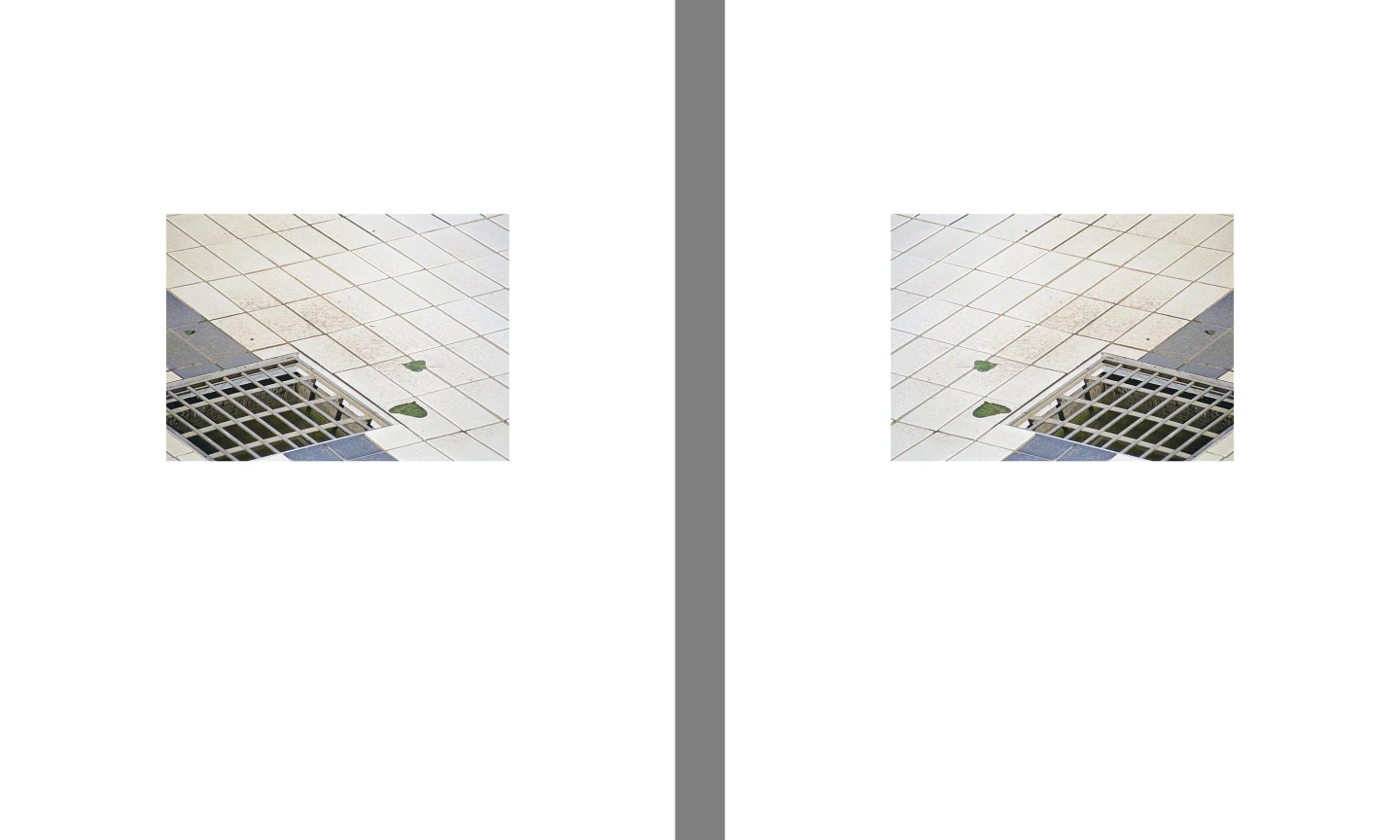
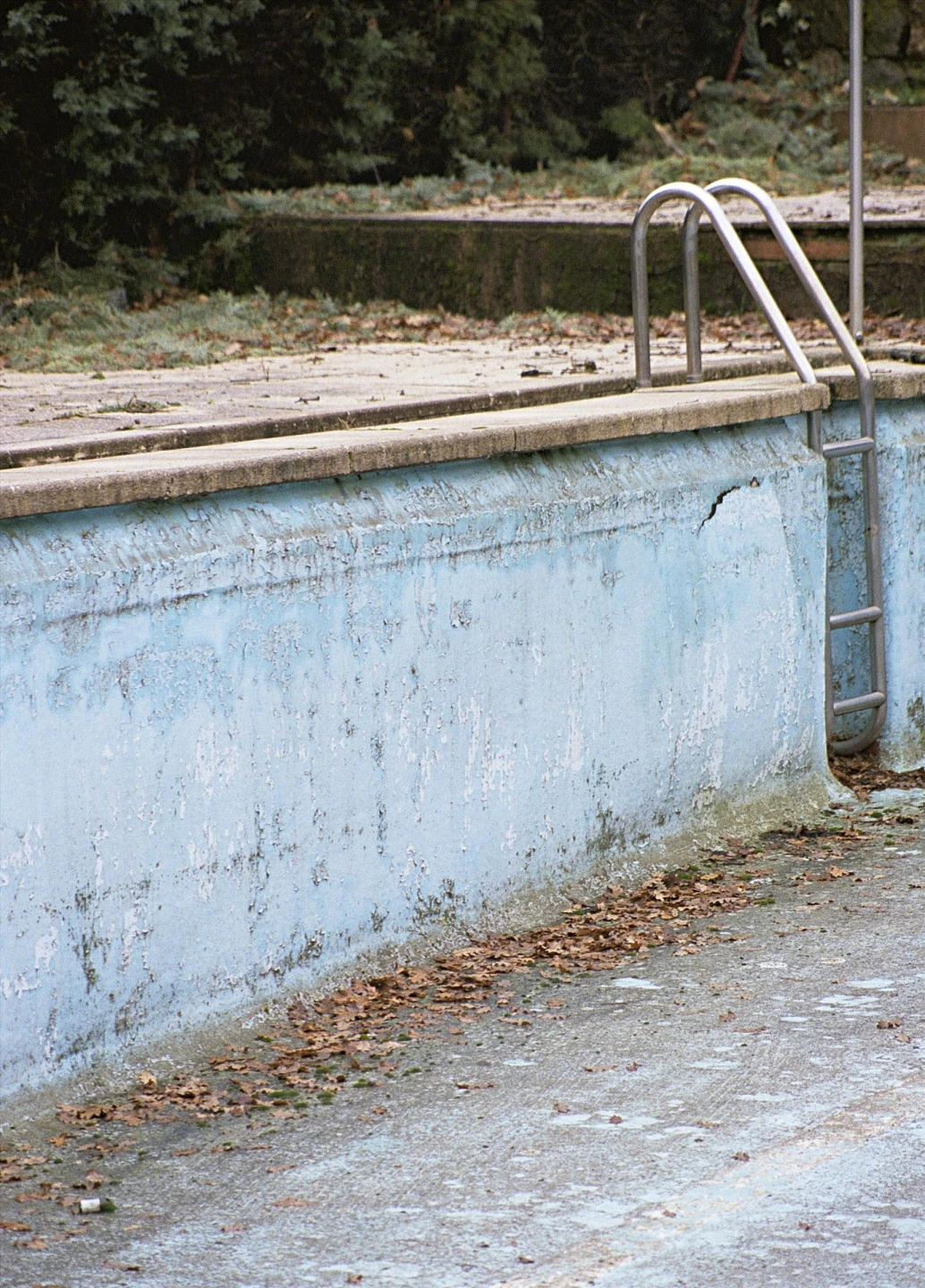
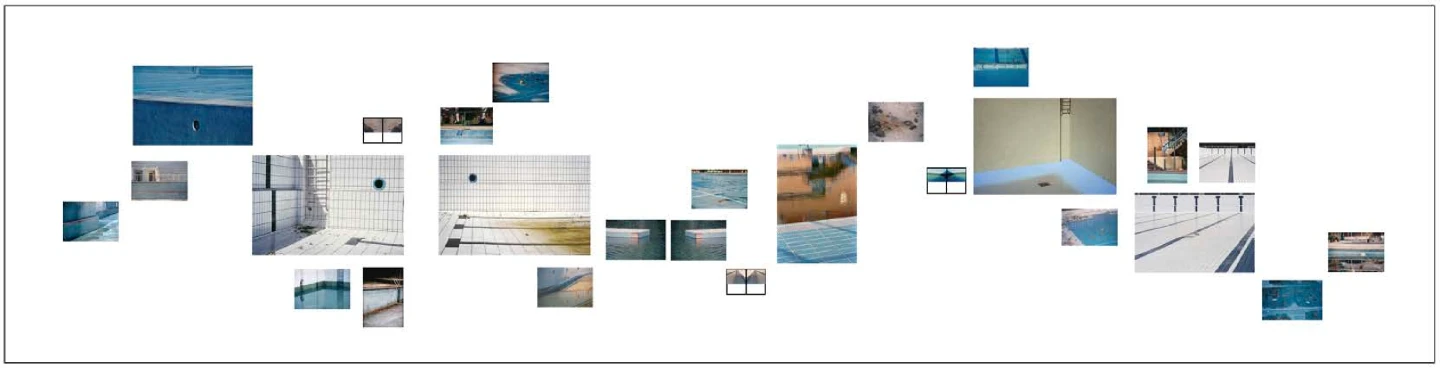
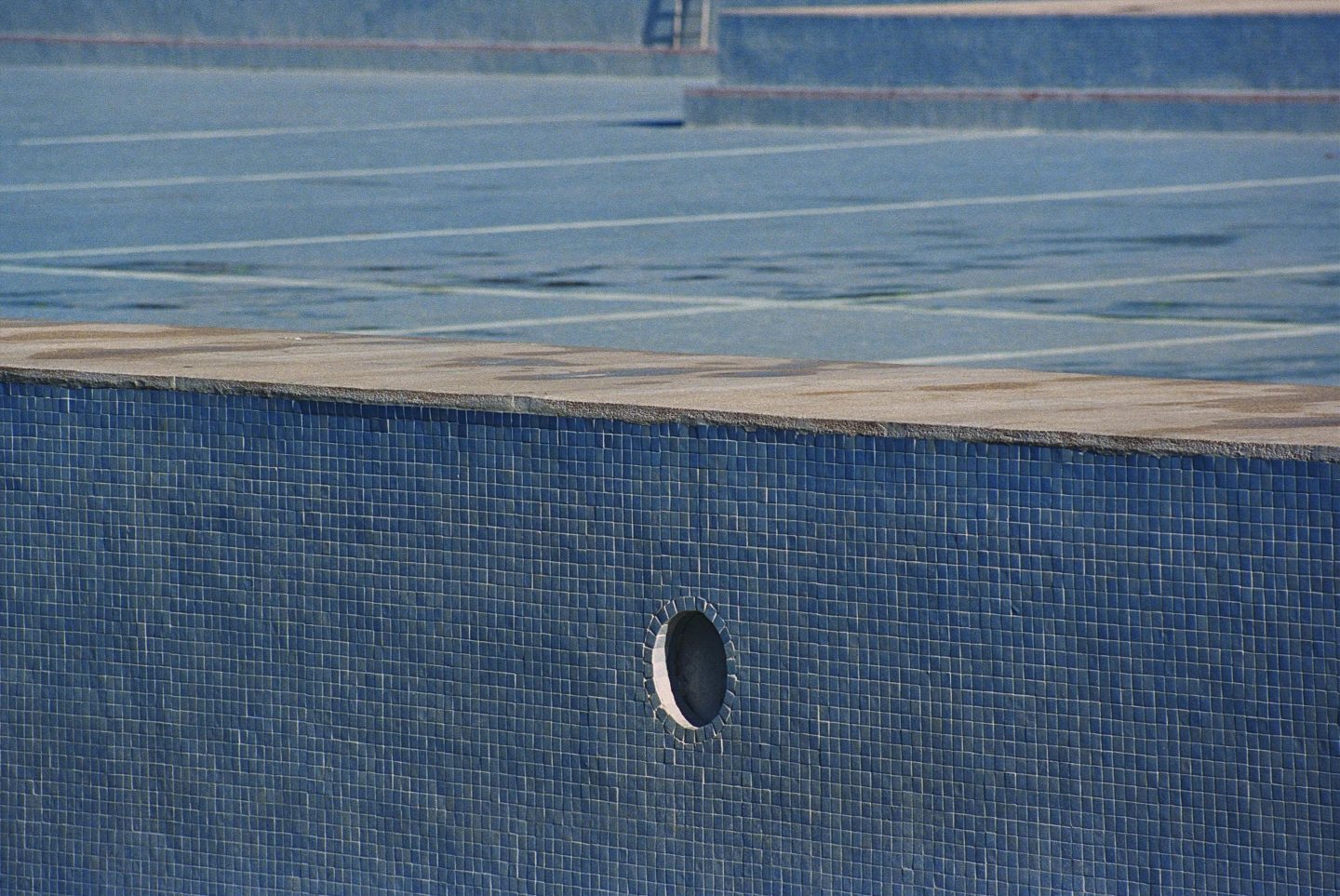
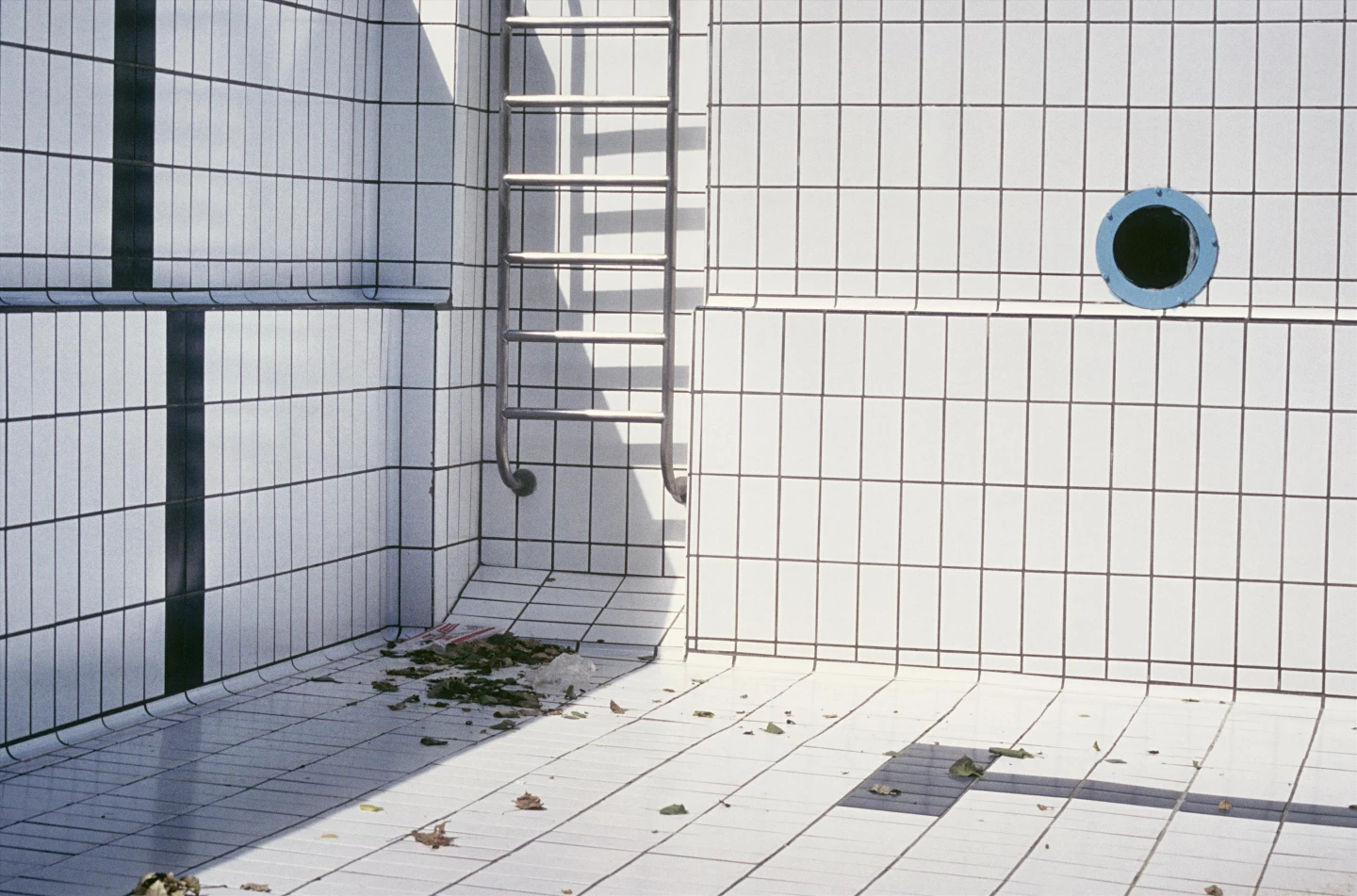
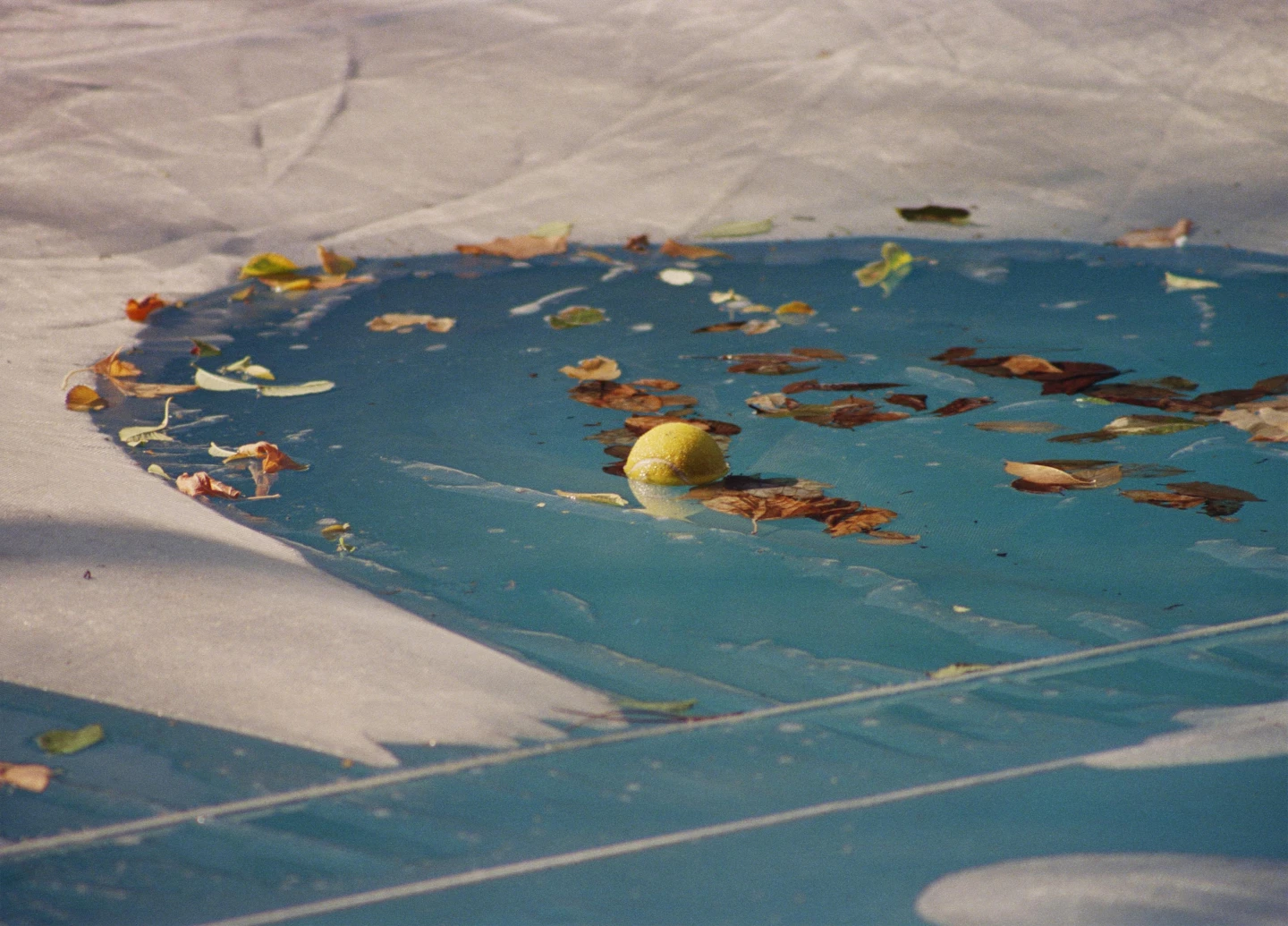
Artist Pepe Espaliú was renowned for denouncing the isolation of those with HIV, but he also highlighted the emotional structures capable of sustaining life. His cages are reminiscent of that confinement, but they also accommodate a proliferation of affection and care with the same exponential and paradoxical reach as the virus itself. Meanwhile, pieces that consciously address political melancholy, such as Cabello/Carceller’s empty swimming pools in winter, remind us that the AIDS crisis is still ongoing and that the pandemic has not yet been eradicated.
29 artworks



Room 7
Pandemic and Language
Room 9
The Costumes of Grief