Avant-garde Territories. City, Architecture and Magazines
Sabatini Building, Floor 2
Modernity bears a relation to a series of territories that were conducive to new developments and consolidations in the early decades of the twentieth century, a period that would witness a flurry of changes. The city was fast becoming a locus of thought, conflict and artistic creation — Paris, Madrid and Barcelona were not only centres of artistic production but also stages, where architecture and urbanism illustrated the growth of major cities and responses to new social, labour and demographic challenges in a world indelibly marked by colonialism and industrialisation. Magazines, for their part, became that unofficial space offering a key element missing from galleries, salons and museums: spaces of encounter and discussion which, with swift and inexpensive dissemination, demonstrated they were capable of transcending physical frontiers to foster the emergence of invisible communities and the contact and exchange among individuals across different geographical coordinates.
As the 1930s set in, the social and political events that converged in the pre-war escalation leading to the Spanish Civil War and the Second World War impelled numerous artists to take a public stance, turning not just their art but also their locations and means of dissemination into places which transformed society, the body and consciousness.
This chapter from the Collection presents a critical narration of modernity around these three foundations, understanding it less as a cultural continuum which culminates in the present and more as a succession of discontinuities, possibilities and attempts that must be read from a present-day context.
Featured Artworks
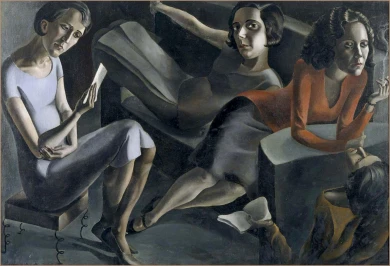
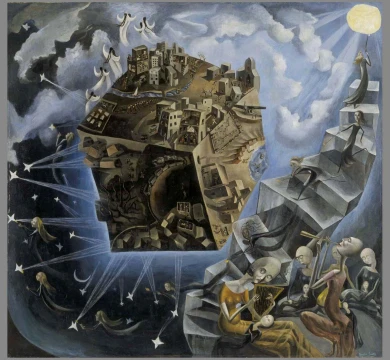
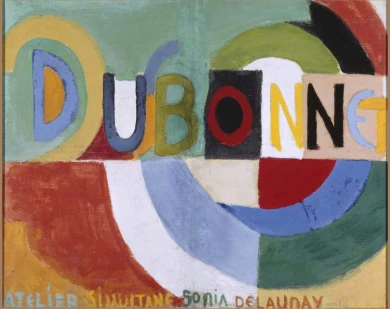
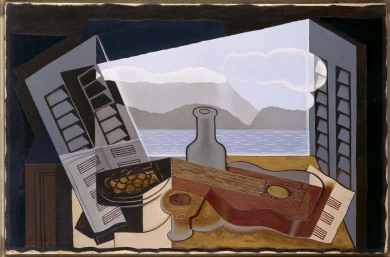
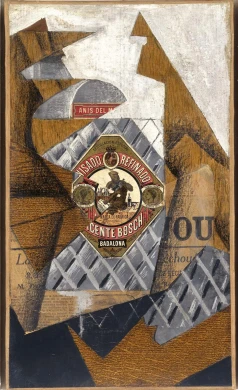
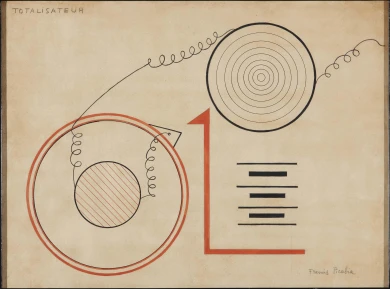
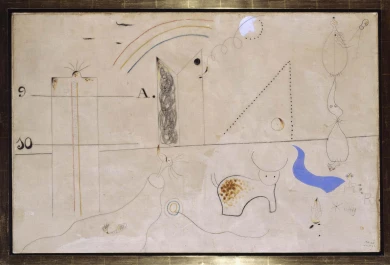
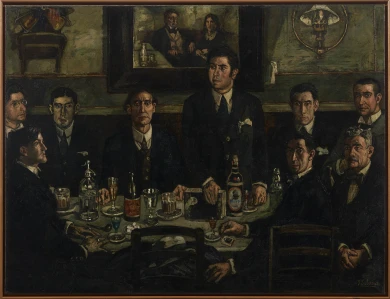
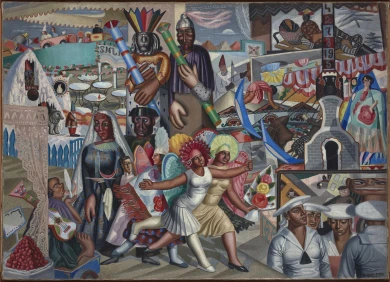
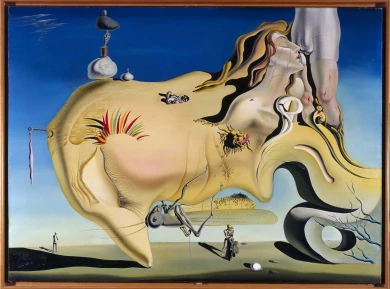
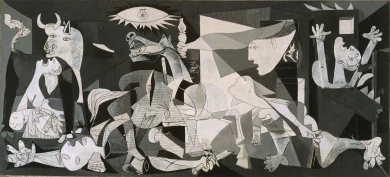
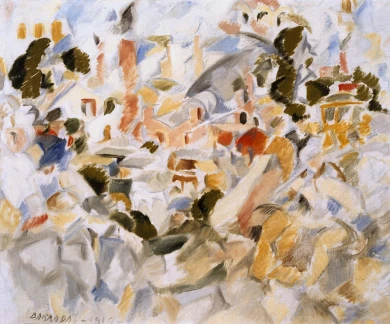
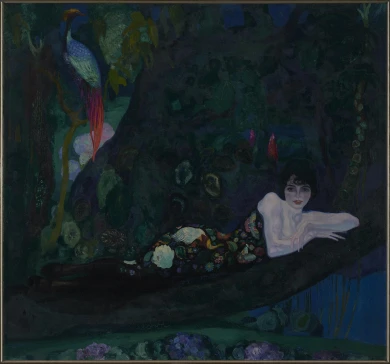
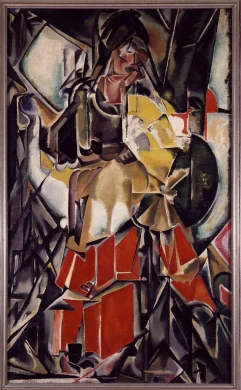
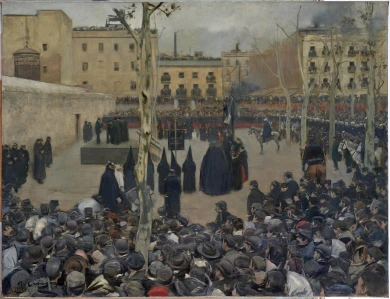
Room 201.01
Holy bohemia. From slum to Gran Vía
Room 201.02
Holy Bohemia. Paris was a party
Room 201.03
Holy Bohemia. Ramón Gómez dela Serna, the improbable artist
Room 201.04
José Ortiz Echagüe
Room 202.01
Madrid, a Diverse City
Room 202.02
Barcelona, Neutral City
Room 202.03
Dalmau Gallery
Room 204.01
Cubism, the First International Language

The Main Site
Sabatini Building and Nouvel Building
The Museo’s main site has two access points, the Sabatini Building and Nouvel Building, both of which are the starting point of your visit and enable you to familiarise yourself with the different floors and exhibition rooms. Location and access.
It is recommended entering via the Nouvel Building (C/Ronda de Atocha, 2) if you have already purchased your ticket online.
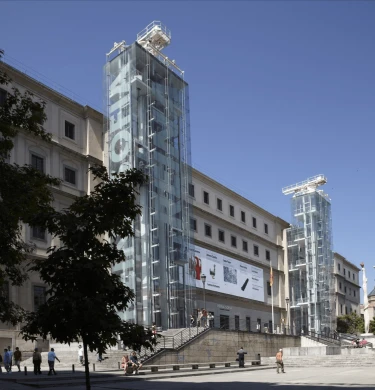
Visits during free opening times are only for individuals.
Free of charge days
April 18, May 18 and 22, October 12 and December 6.
Public Holidays
The Museo is closed on 1 and 6 January, 1 May, 15 May*, 9 November*, and 24, 25 and 31 December. *These days may vary depending on the Community of Madrid’s business calendar.
Access to the Collection and temporary exhibitions
Audioguide + access to the Collection and temporary exhibitions. Only available at the Ticket Offices
You also need a ticket during free admission hours. You can book it online
For under 18s, the over 65s, students... Only available at the Ticket Offices. Check conditions
Visit the Museo today and return for a second time within one year