Room 4
The Personal Is Political: Feminisms and New Gender Presences
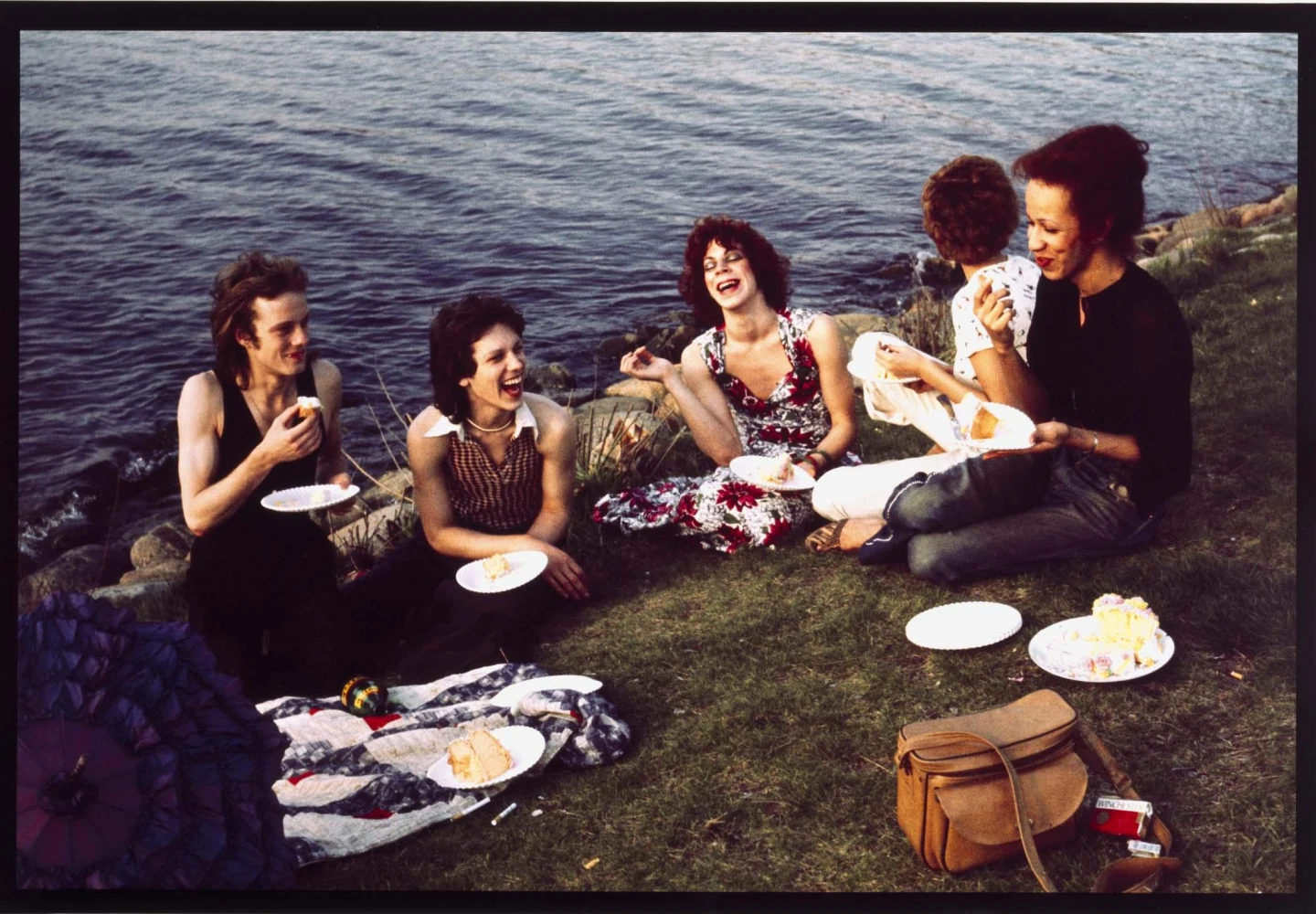
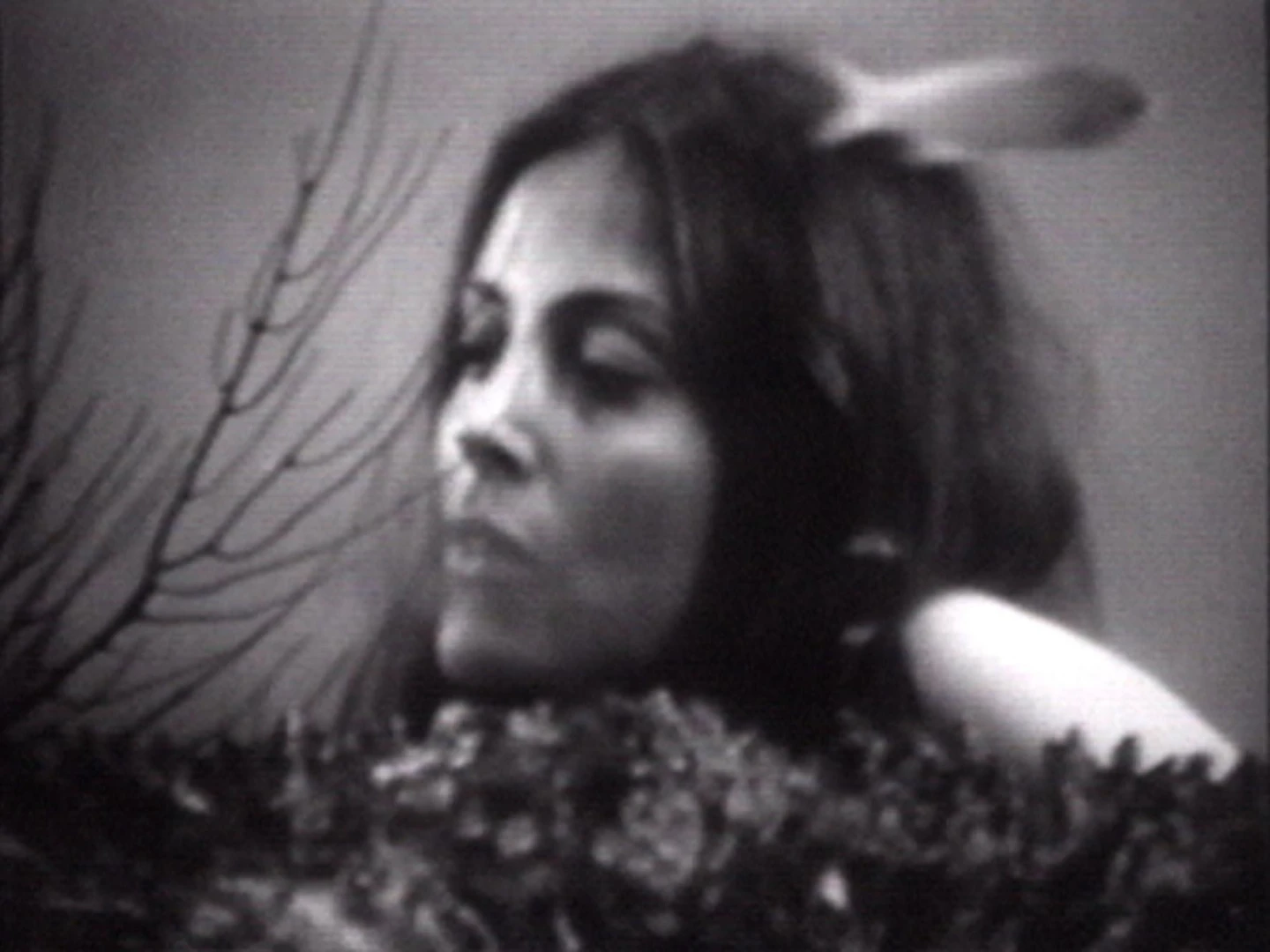
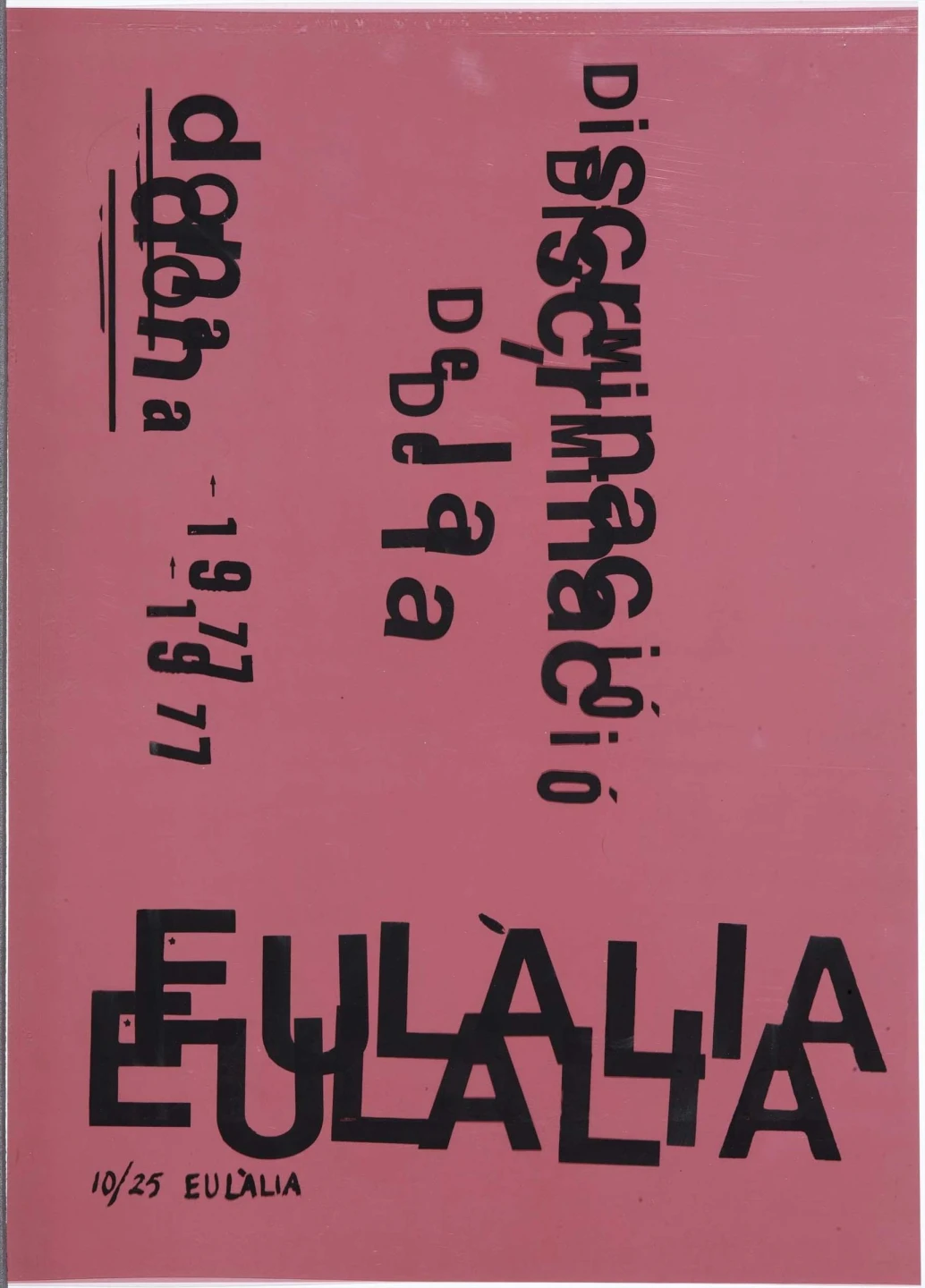
It was the emergence of second-wave feminism in the late 1960s that gave rise to body art and performance art, positioning women as political subjects at the center of artistic practices. Art critical of patriarchy employed critical theory in order to expand its aesthetic tools in the 1970s: phenomenology, post-structuralist linguistics, semiotics, biopolitics, and Lacanian psychoanalysis were key to an enduring renewal of artistic languages.
In 1969, the Stonewall riots in New York City symbolized the visibility of the fight for LGBTIQ+ rights and signaled an ongoing global transformation. Contemporary art also saw a surge in the visibility of gay, lesbian, and non-binary gender positions. The questioning of fixed identities developed in parallel to scrutiny of a closed language with fixed meanings; the affective flow of connotation, denotation, and nuance also began to expand the world of bodies in an increasingly diverse public space.
127 artworks


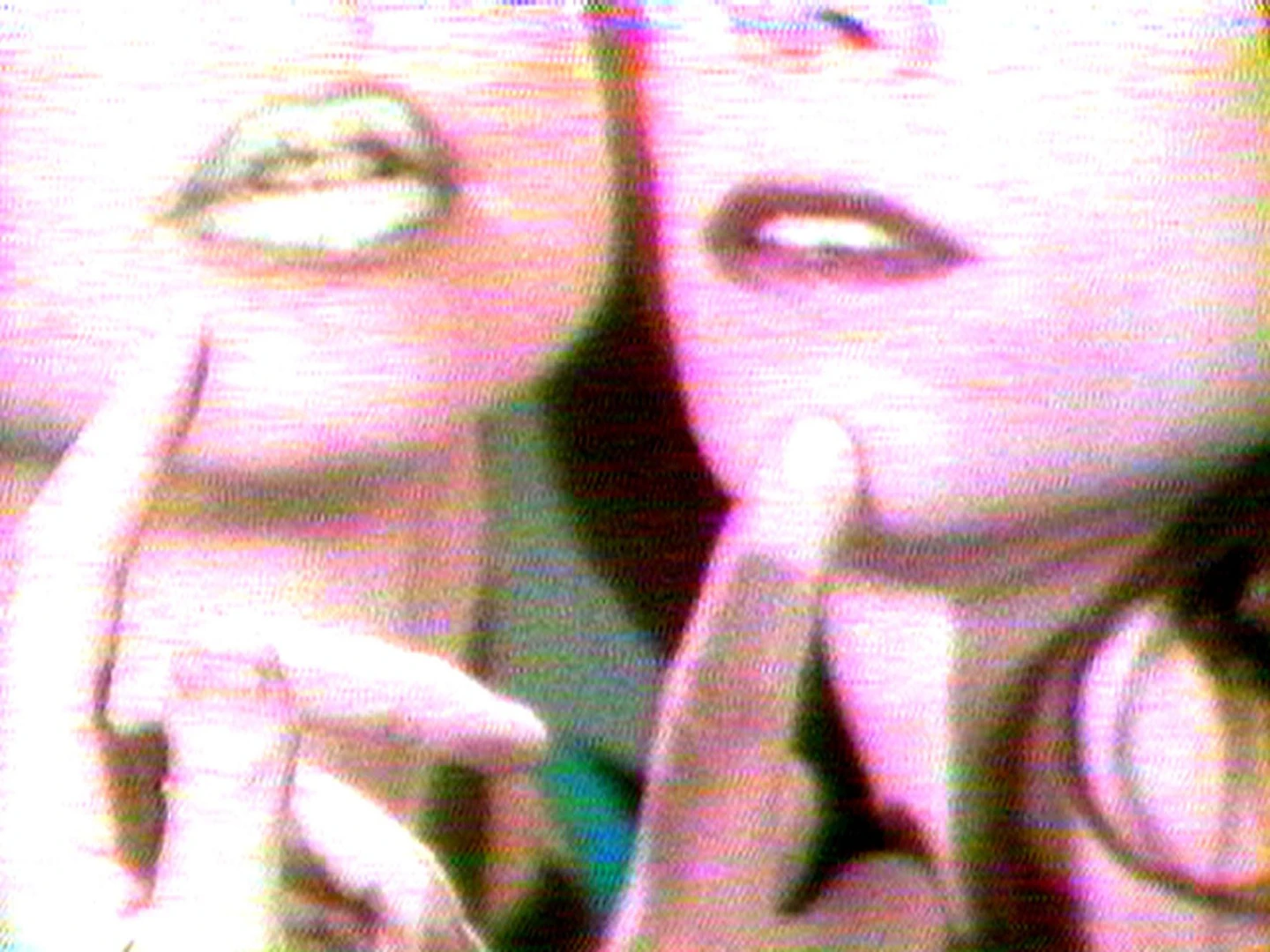
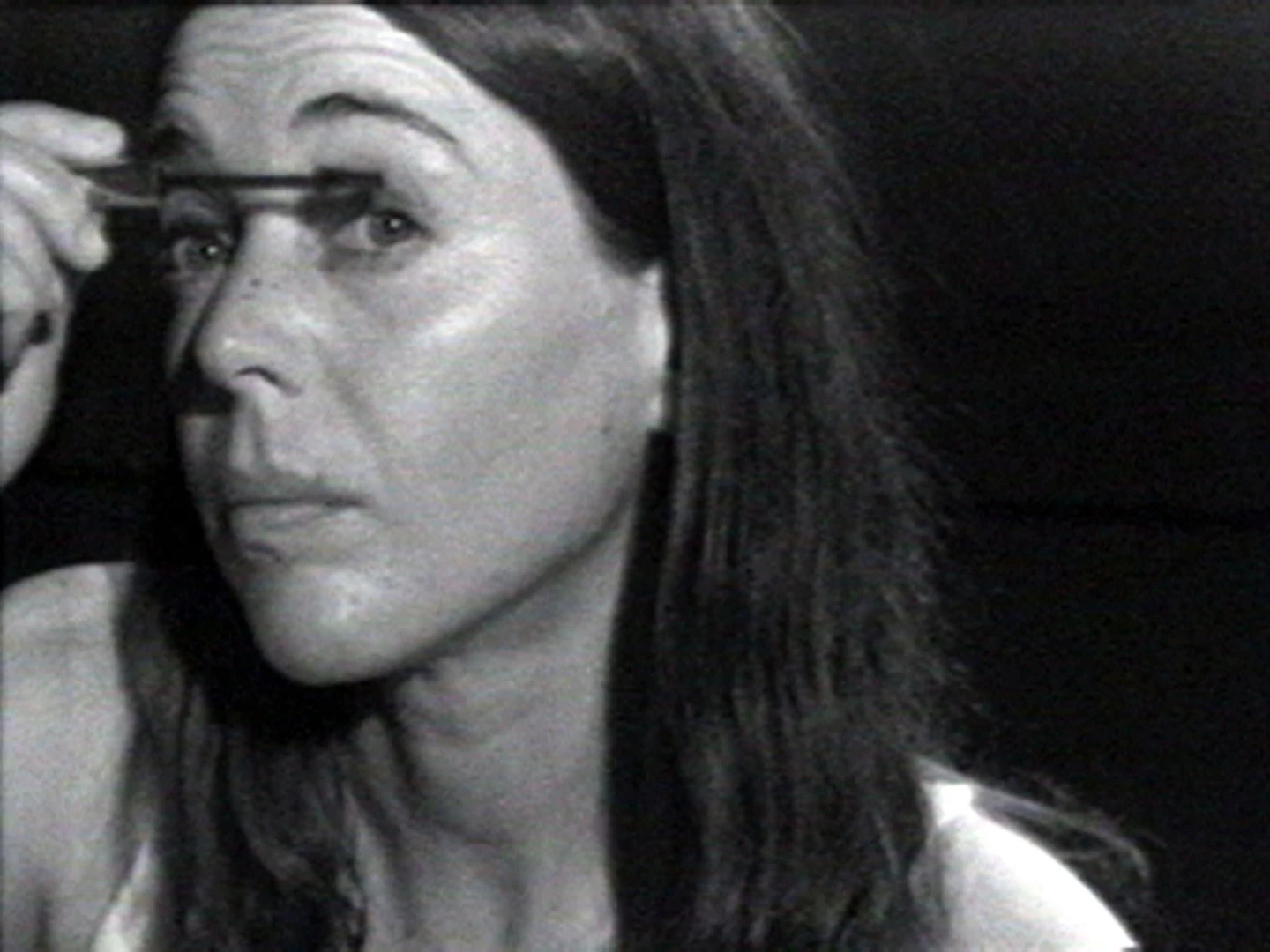
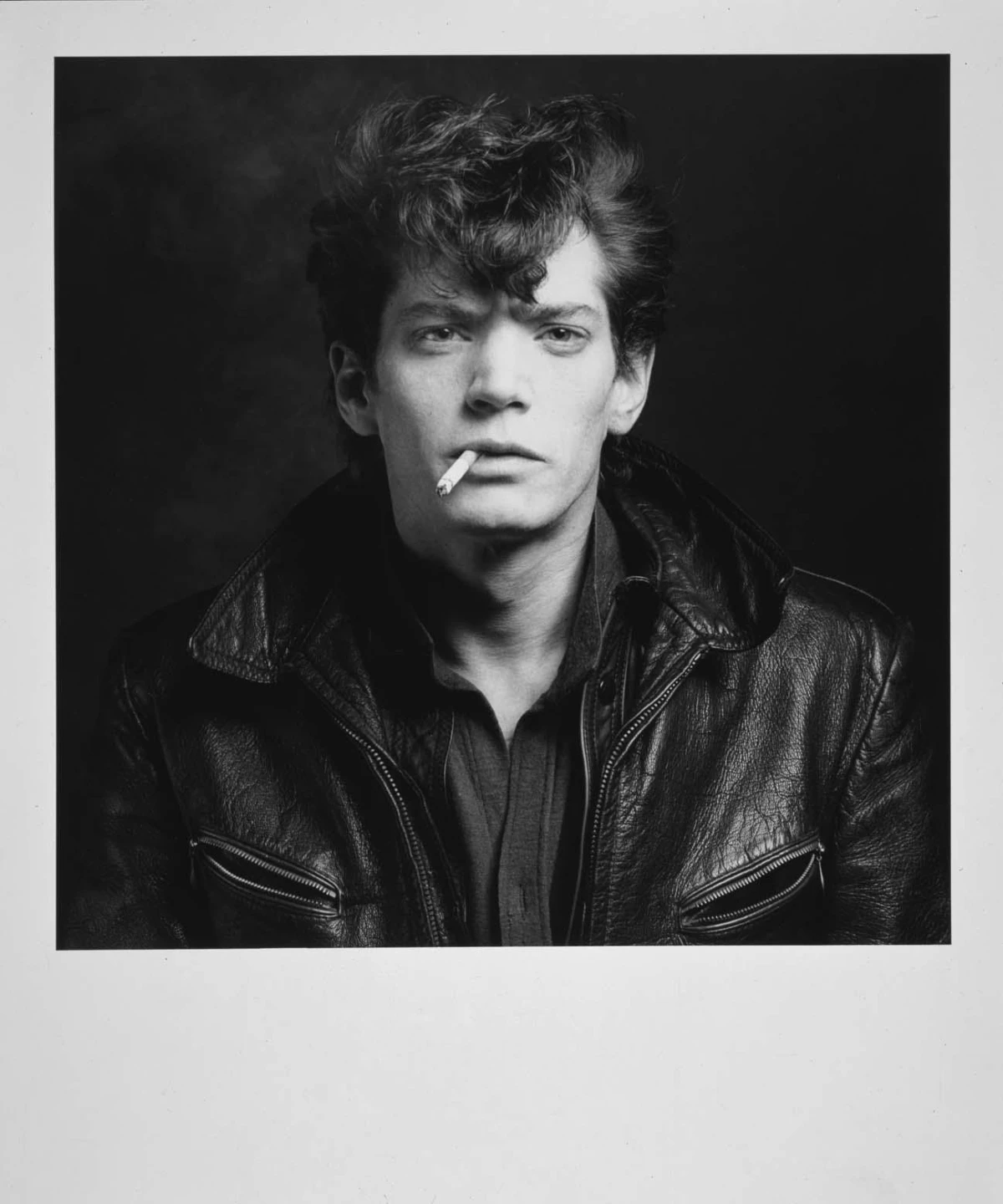

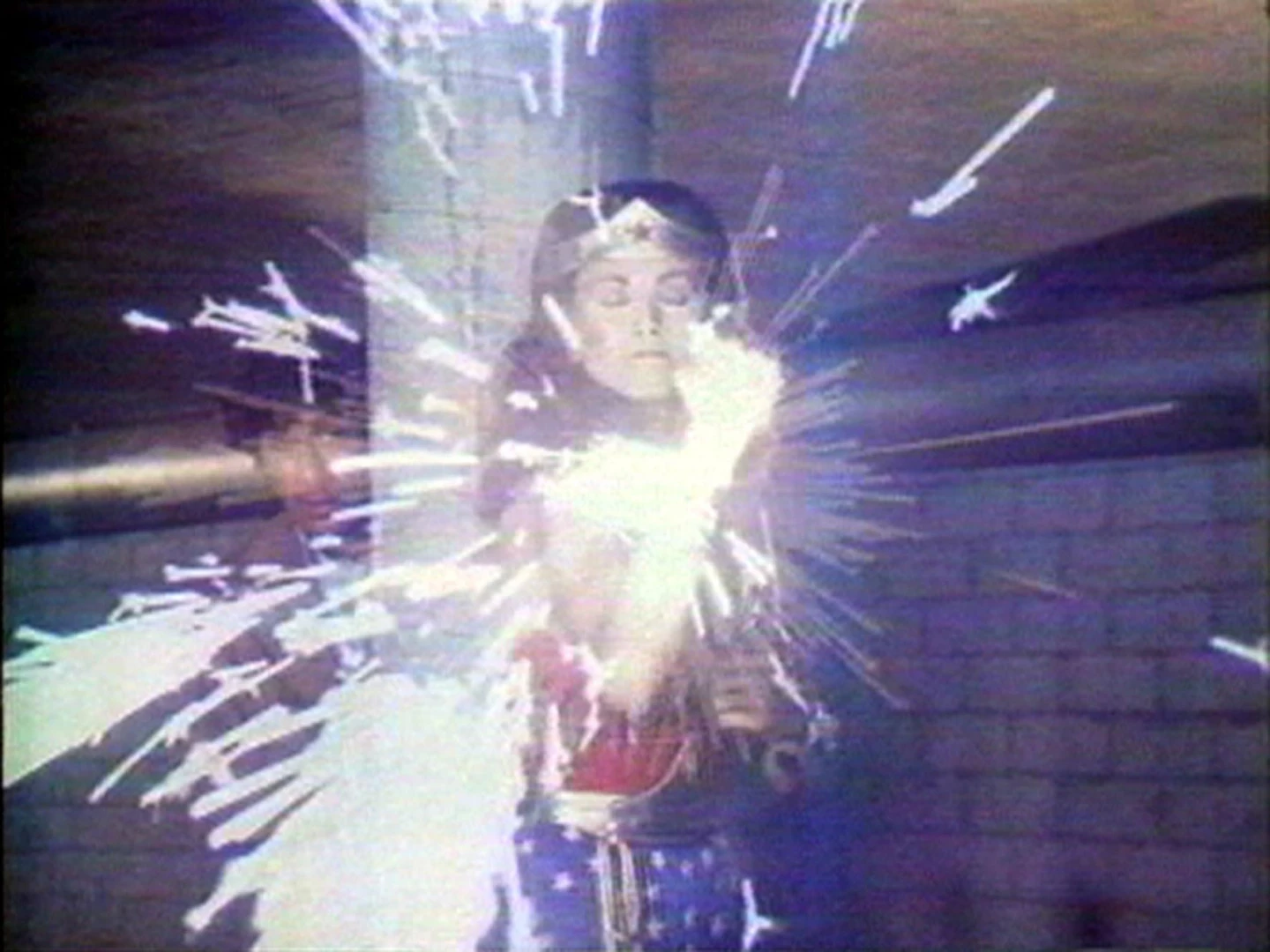

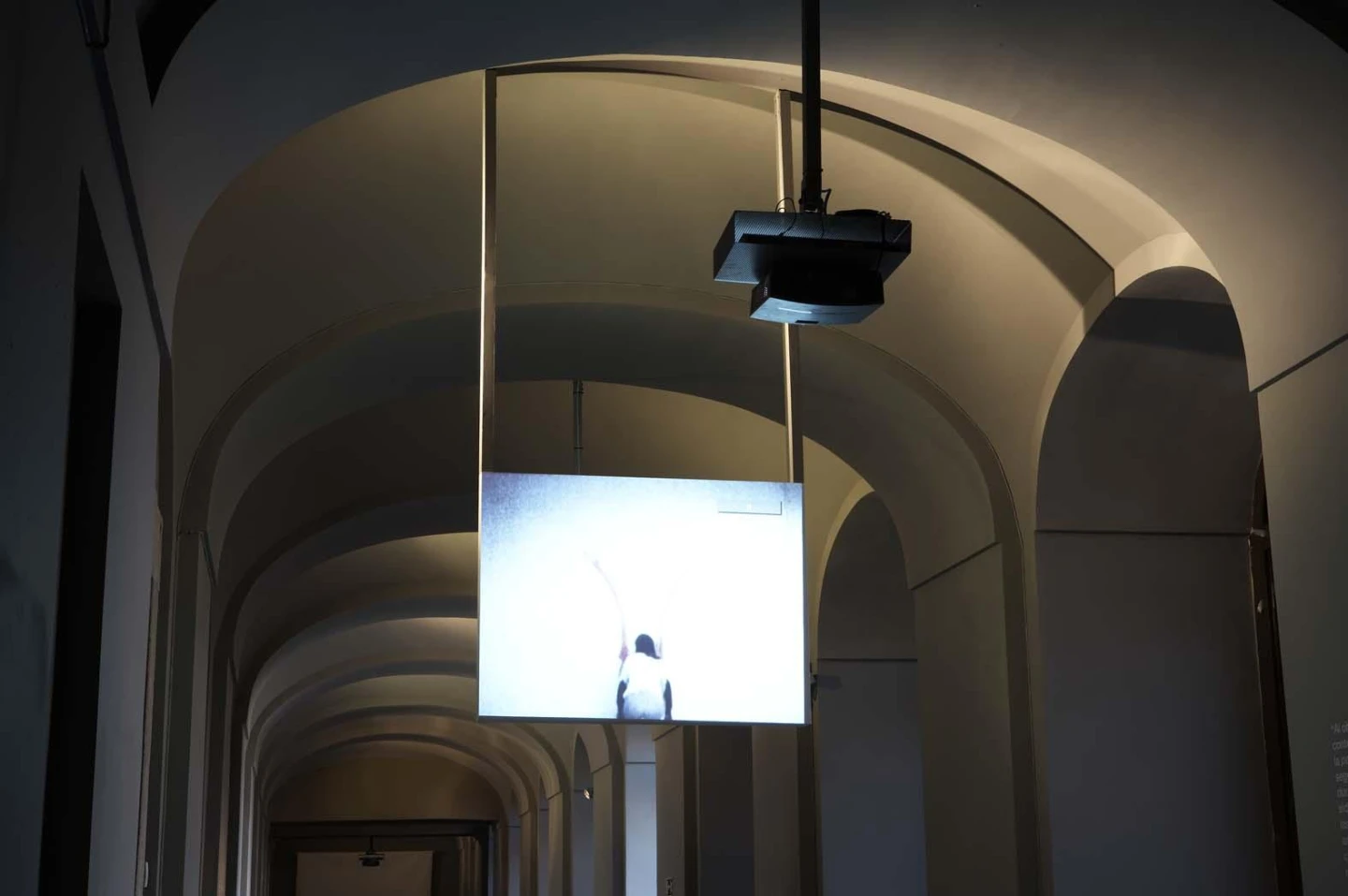
![Vista de la Sala 4 «Lo personal es político. Feminismos y nuevas presencias de género». Judy Chicago, Women and Smoke [Mujeres y humo] 1971-1972. Museo Reina Sofía. Fotografía: Roberto Ruiz. © Judy Chicago, VEGAP, Madrid, 2026](https://recursos.museoreinasofia.es/styles/small_landscape/public/Colecci%C3%B3n/Foto%209%20-%20Judy%20Chicago.jpg.webp)
Room 5
Port Activities: Cruising and Aesthetic Revolt