Room 21
Gender Practices: Social Choreographies for the New Century
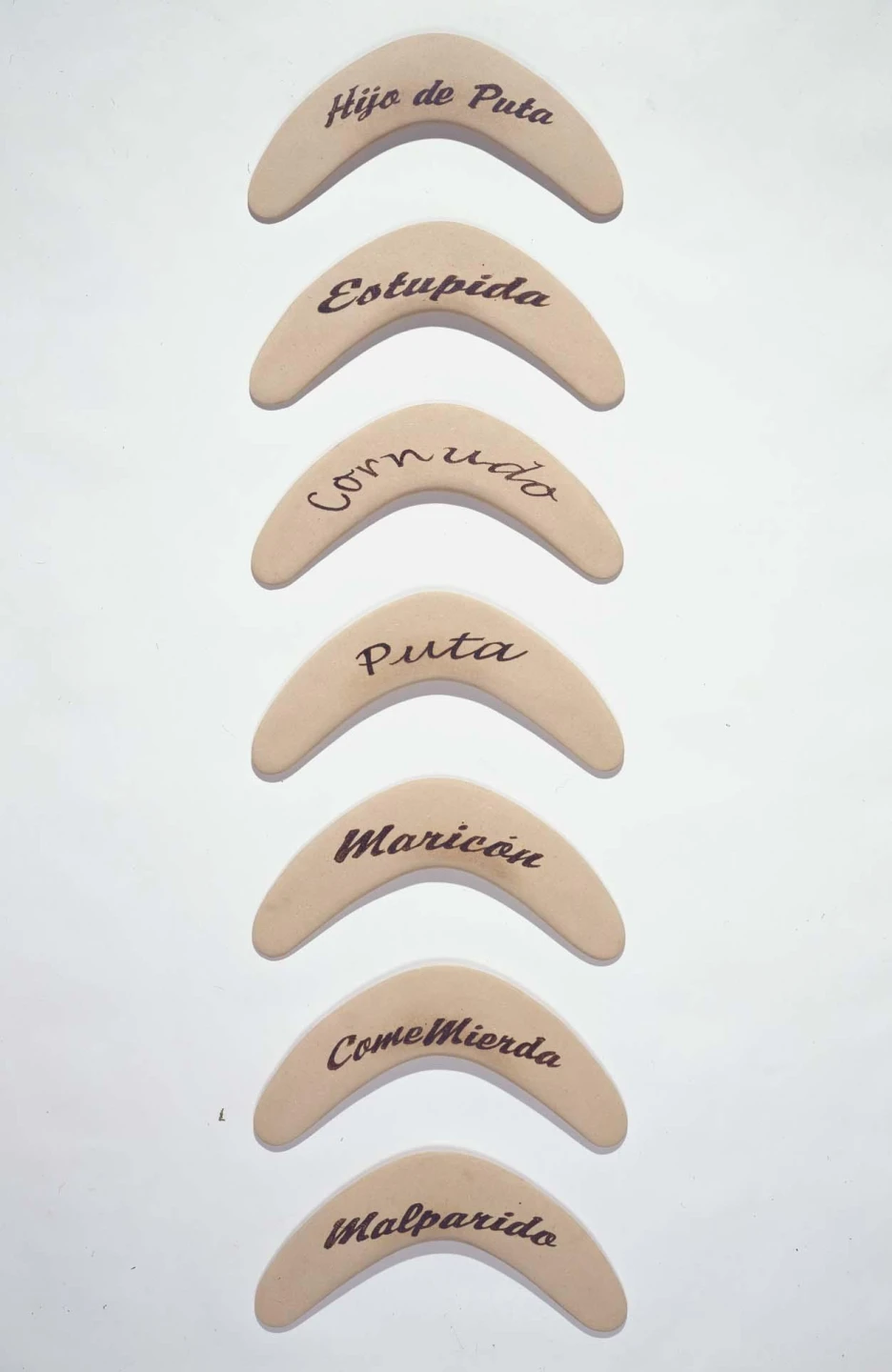
Criticism of male hegemony has triggered a revolt in the gender system and has diversified ways of living in contemporary societies. The resurgence of feminism and LGTBIQ+ rights in recent decades has shaped the political and social agenda of Western democracies in the twentyfirst century.
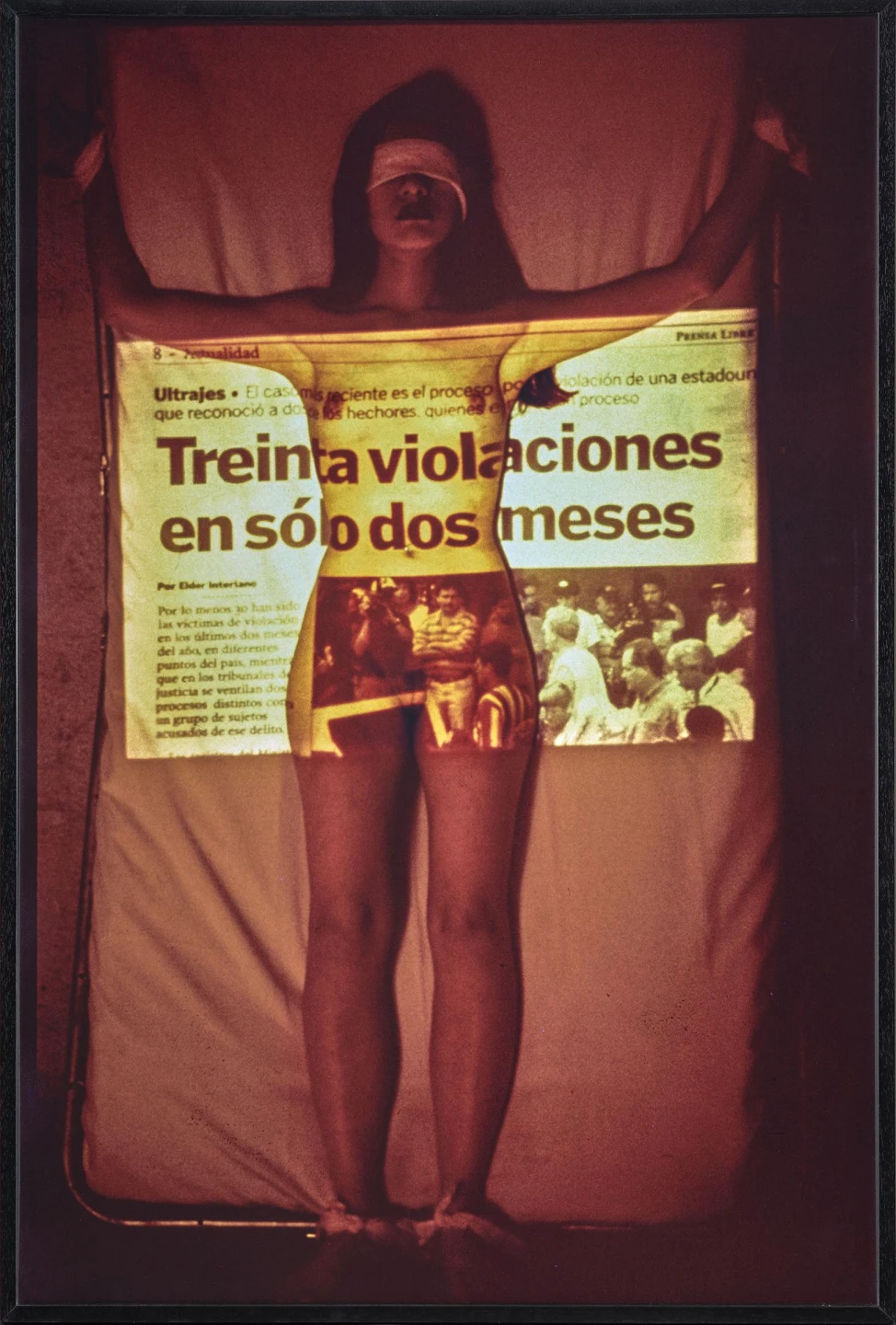
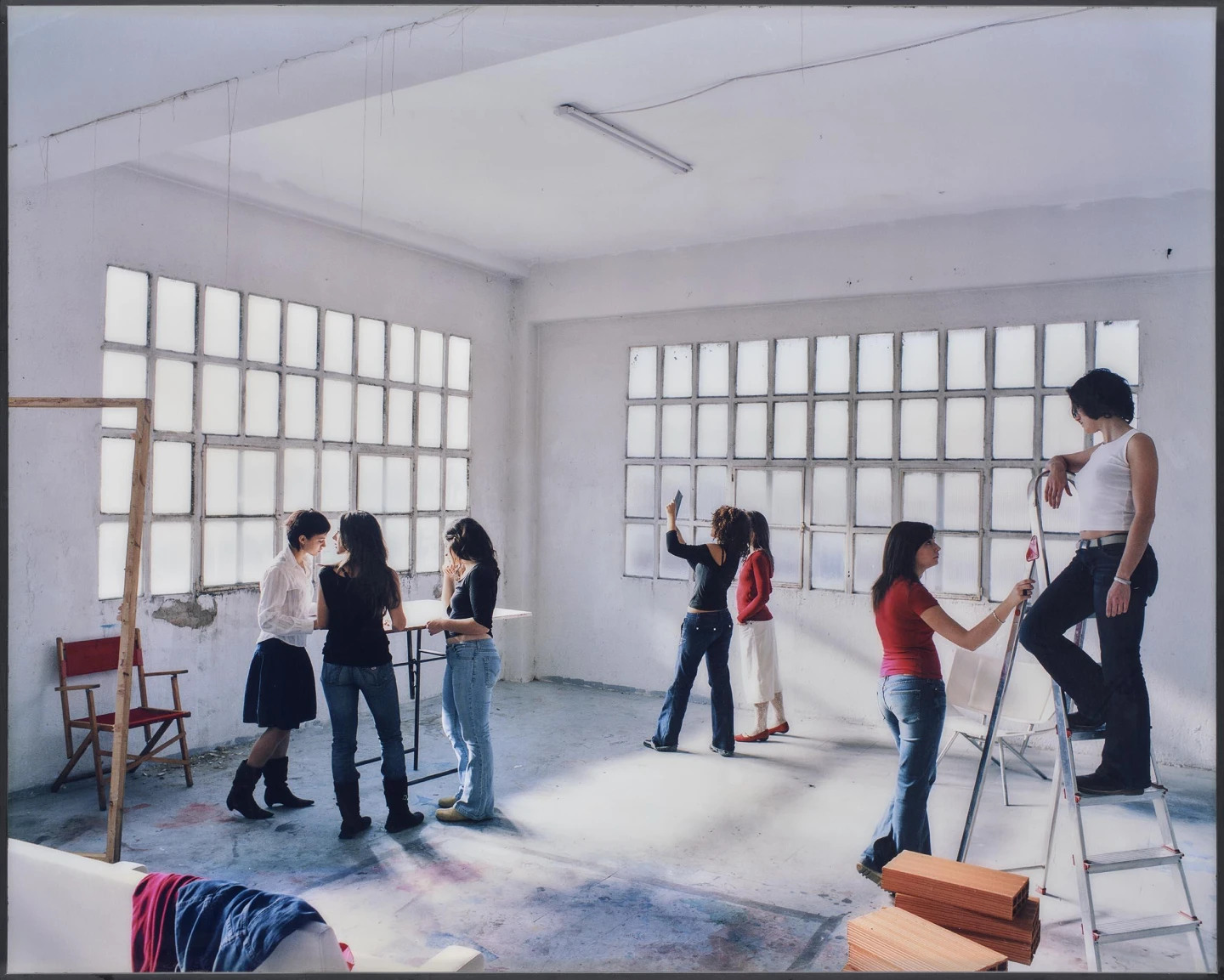
In the mid-1990s, feminism took form in new mediums of artistic representation. From denouncing “rape culture” to raising the profile of women artists, its contribution was key in reshaping the canon and, consequently, tradition. Bear in mind that women artists currently account for less than 15 percent of the work in the museum’s collections. Equality at the Museo Reina Sofía remains a work in progress.
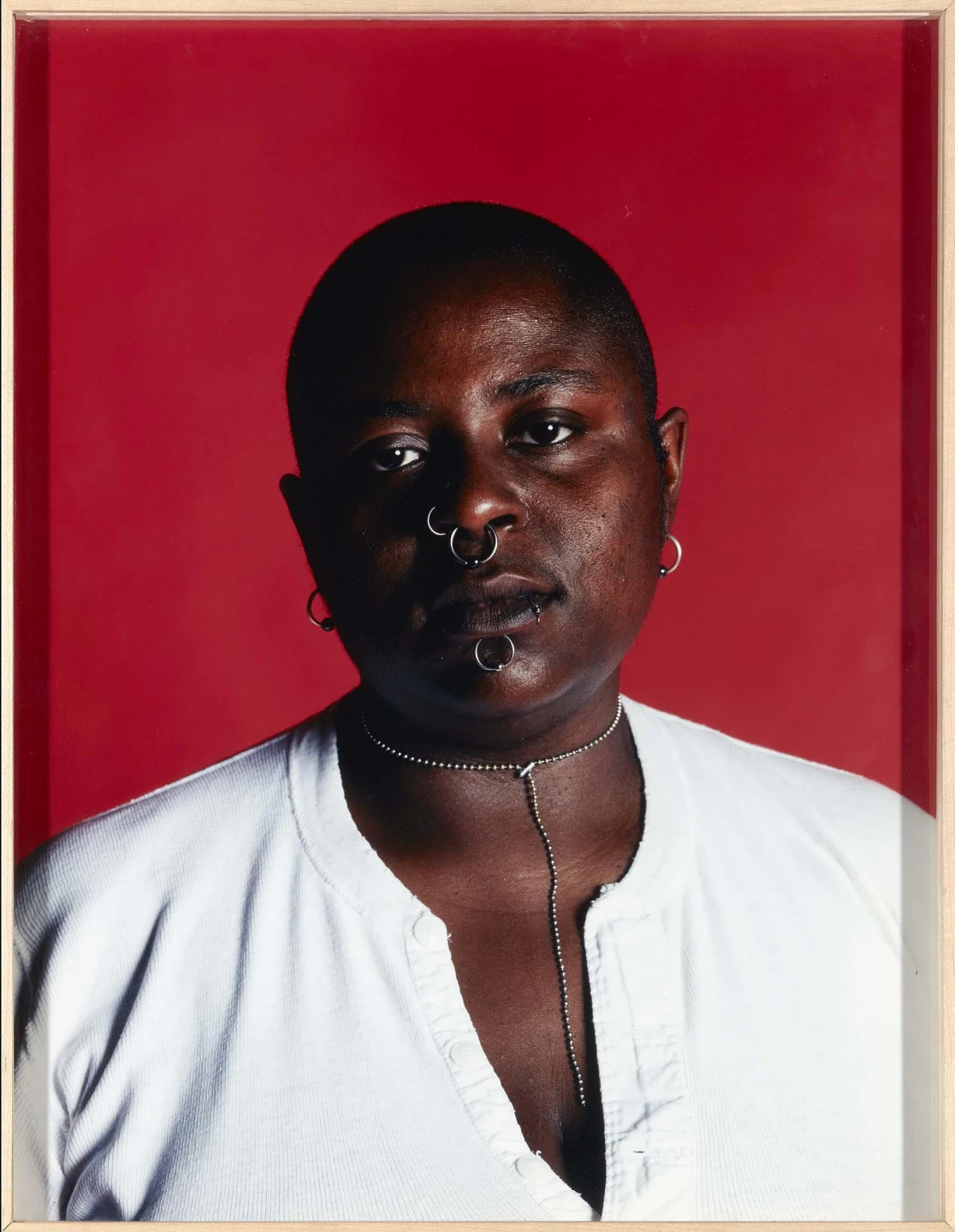
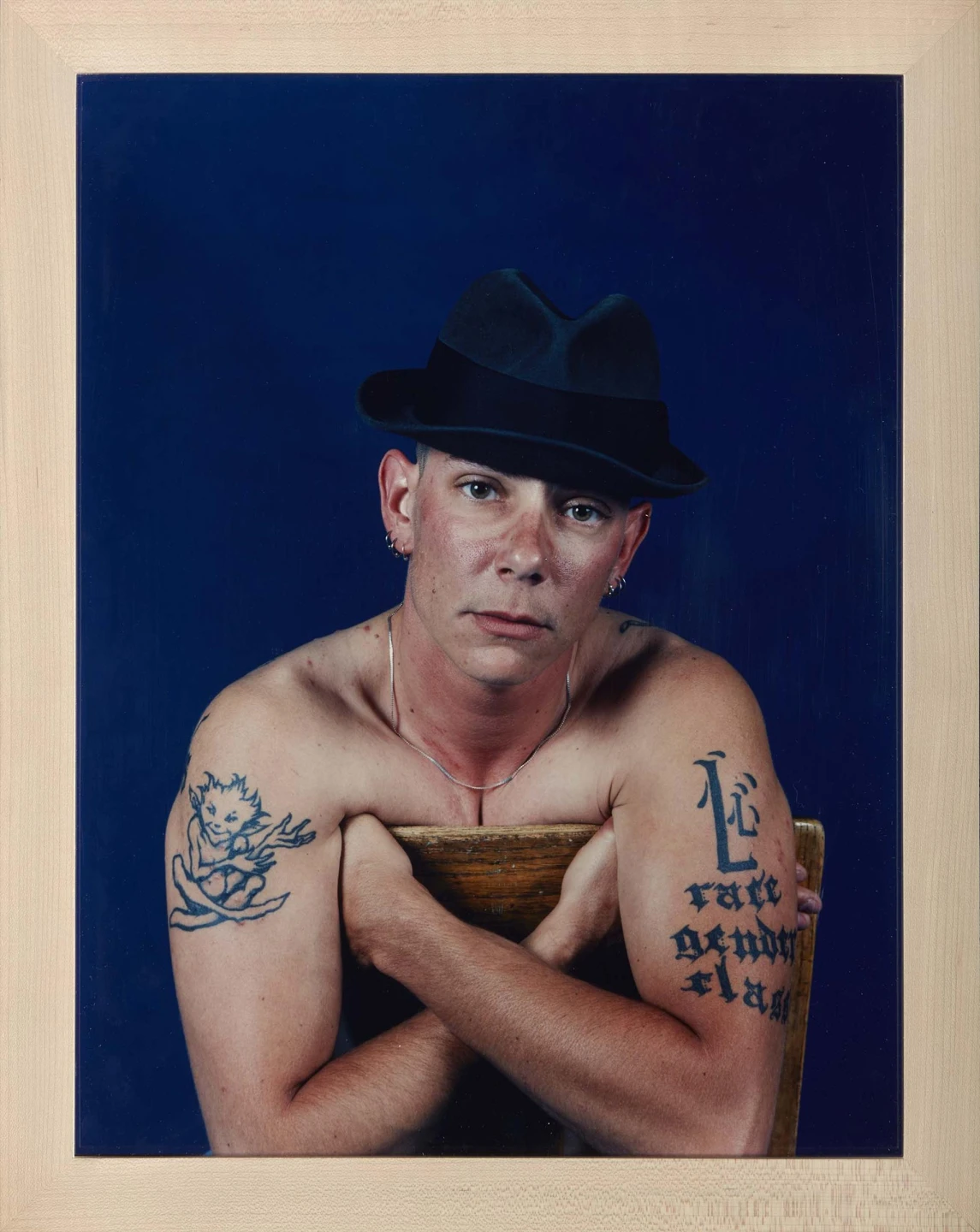
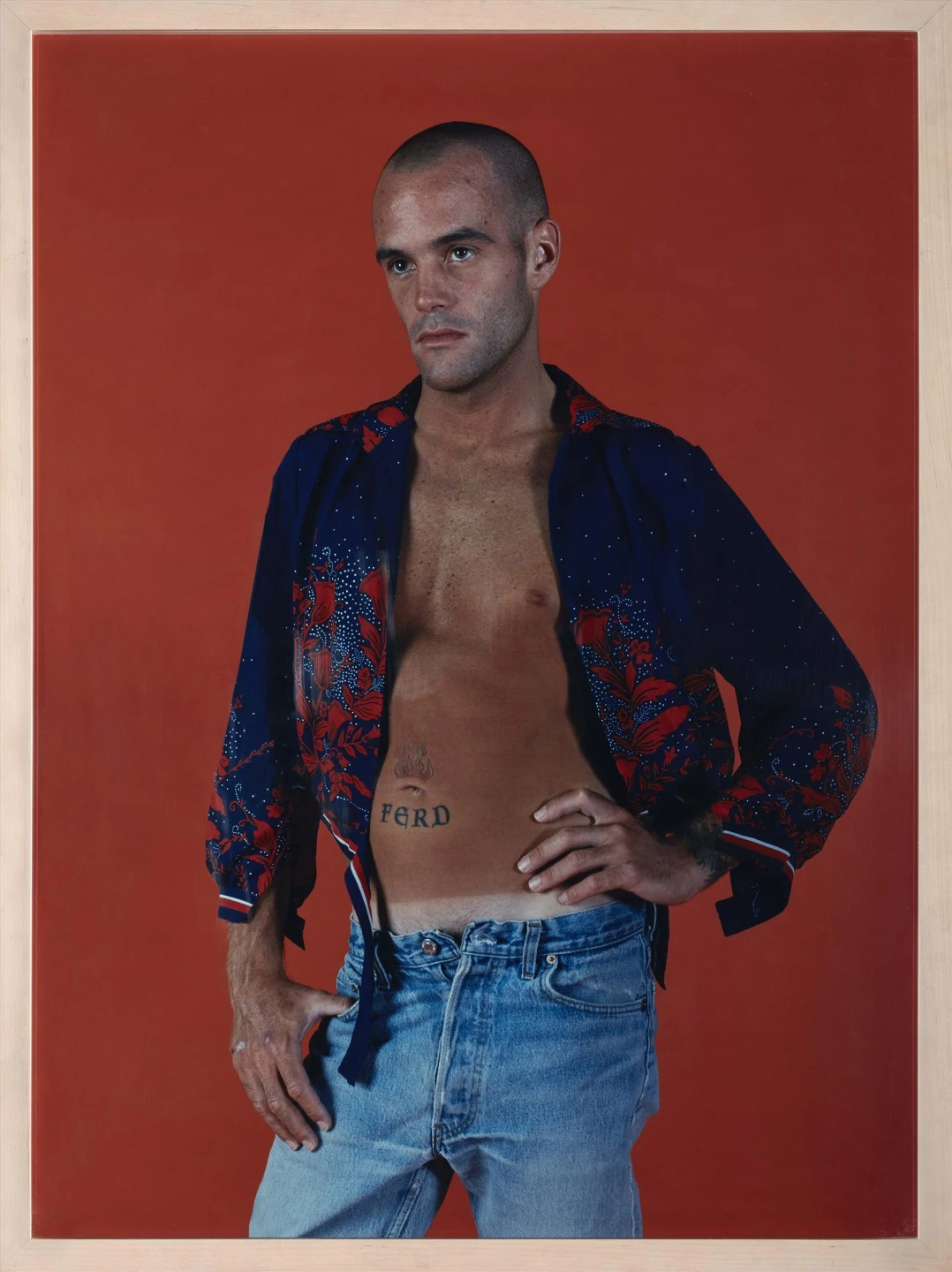
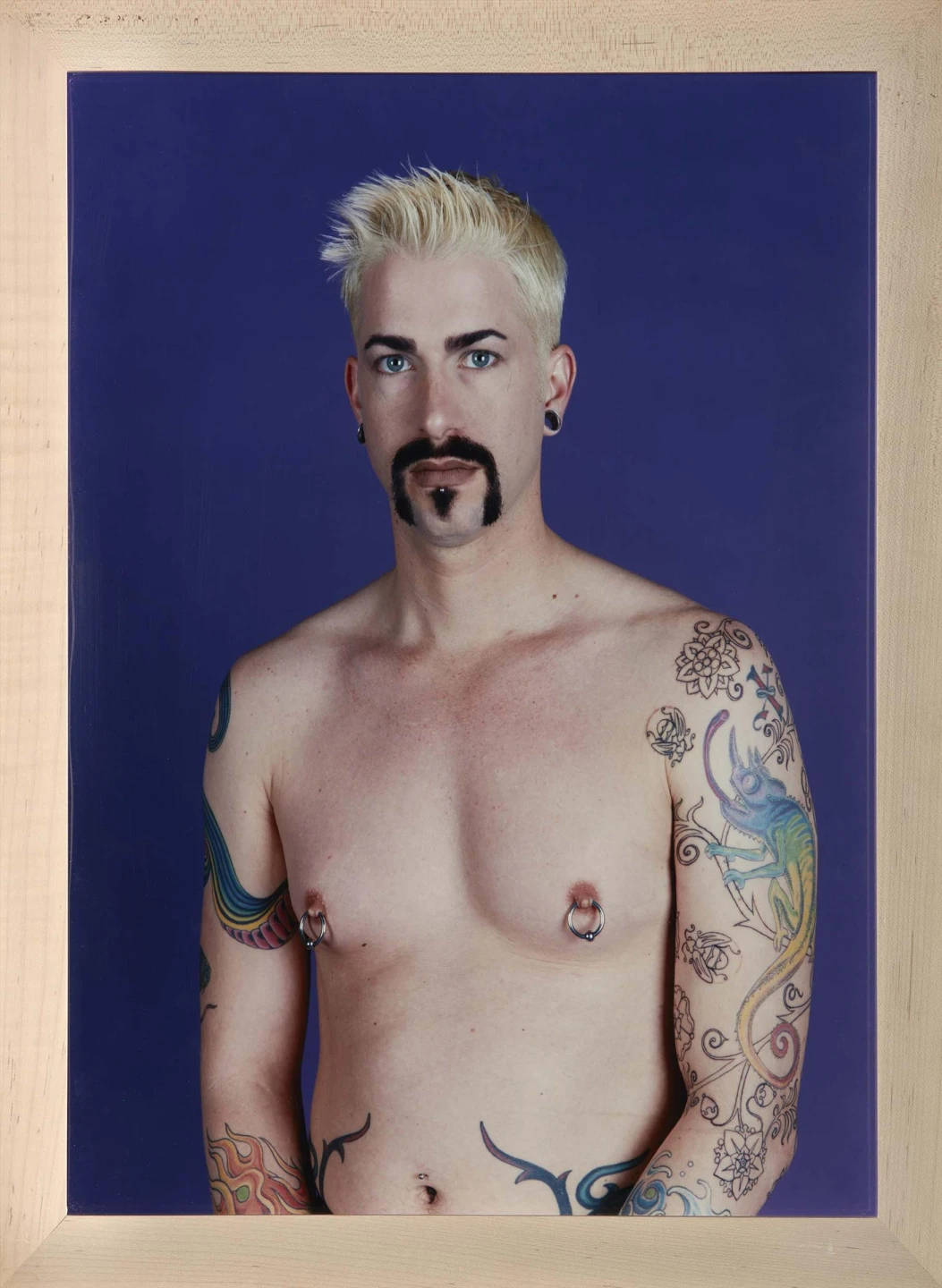
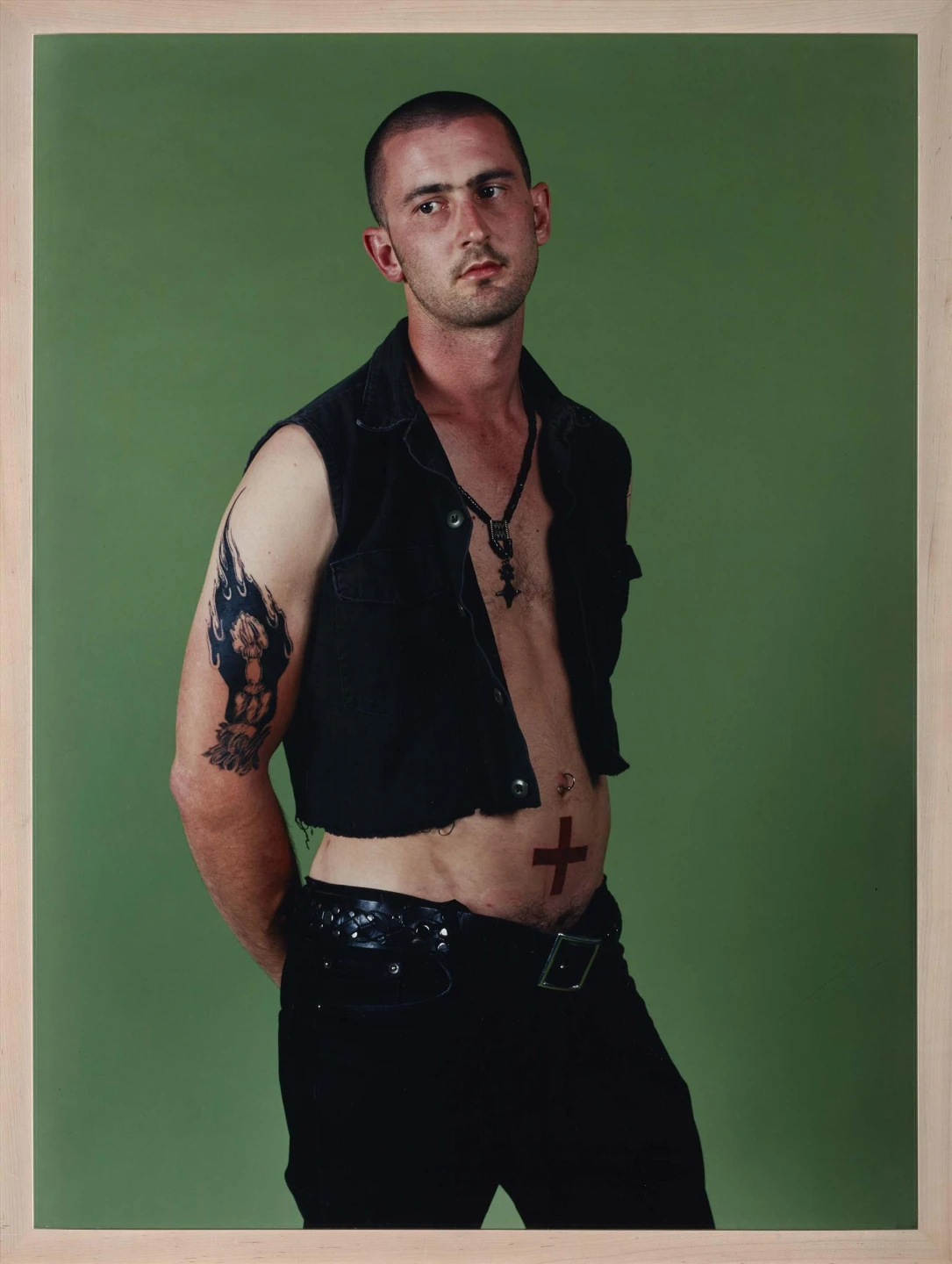
Queer theory, in turn, defines gender as a social construct that is not biologically determined. In the 1990s, the blurring of gender lines expanded the concept of what is normative, defying any classification: camp, feminine masculinities, transgender, nonbinary, and so on. The proliferation of subjectivities occurred in parallel to a continuous experimentation with codes of representation, the constant fluidity among the languages of art, and the possibilities for constructing an identity.
25 artworks

Room 20
“Lo afro está en el centro” (The African Is at the Center)