Room 18
Art and Reality in 1980s. Photographic Cultures
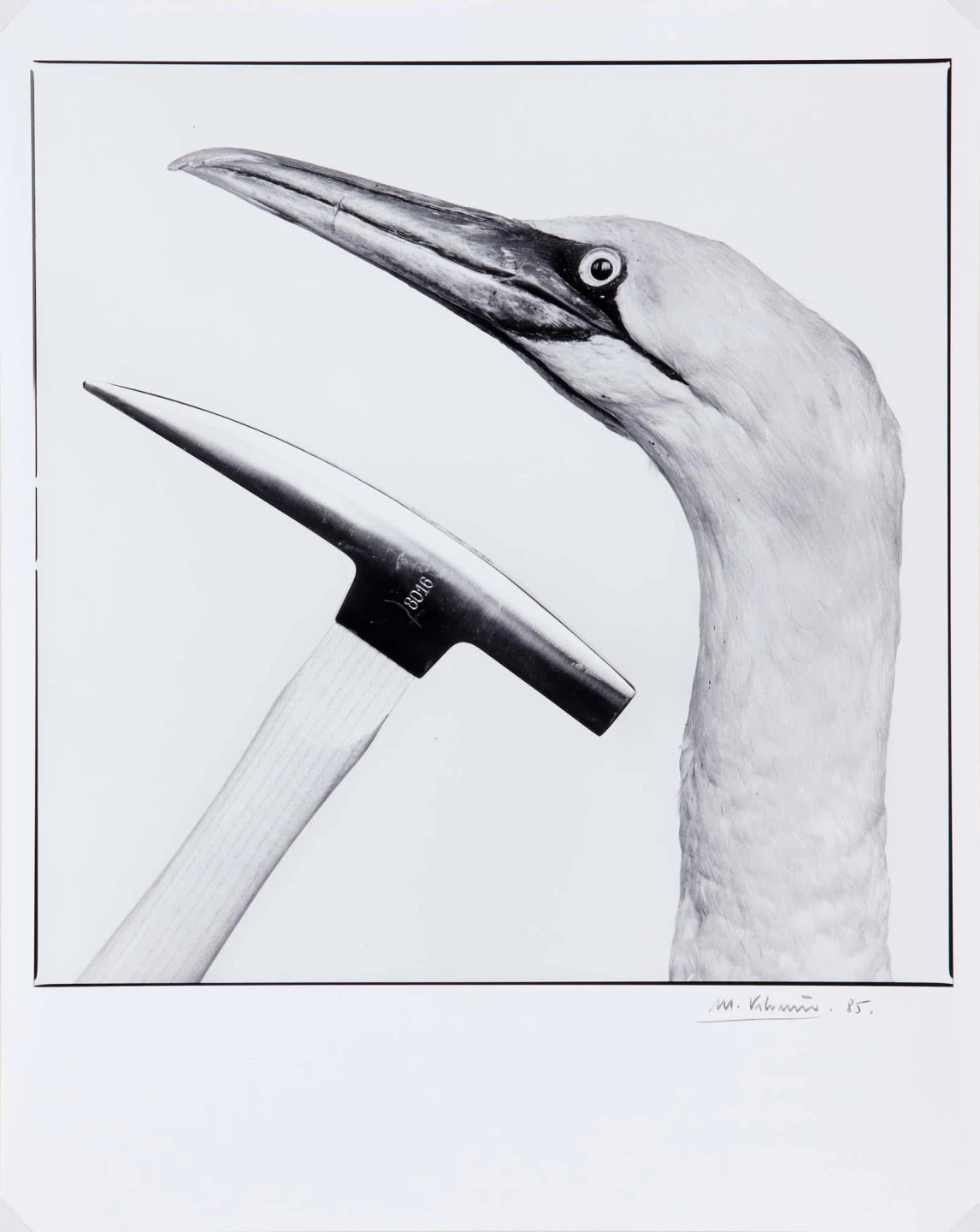
For centuries, the capturing of a likeness, the perfect imitation of the real, was the obsession around which all artistic practice took place. The invention of its basic tool, one-point perspective, satisfied the figurative demands of Western culture for more than five hundred years, to such an extent that it seemed to constitute an immutable visual law. The advent of photography, which matches how the optic nerve captures reality, confirmed that possibility, but over the last few decades it has become a theoretical aim rather than the output of a technical processing of the image: a compromised artifact that, time and again, destabilizes systems of representation, reorders the world, and reinstalls subjectivities.
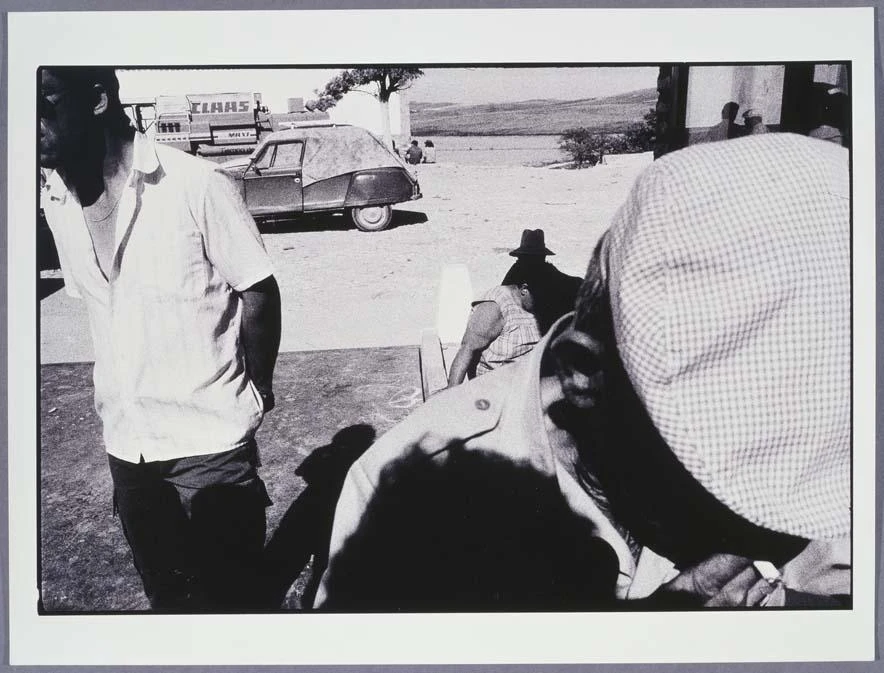
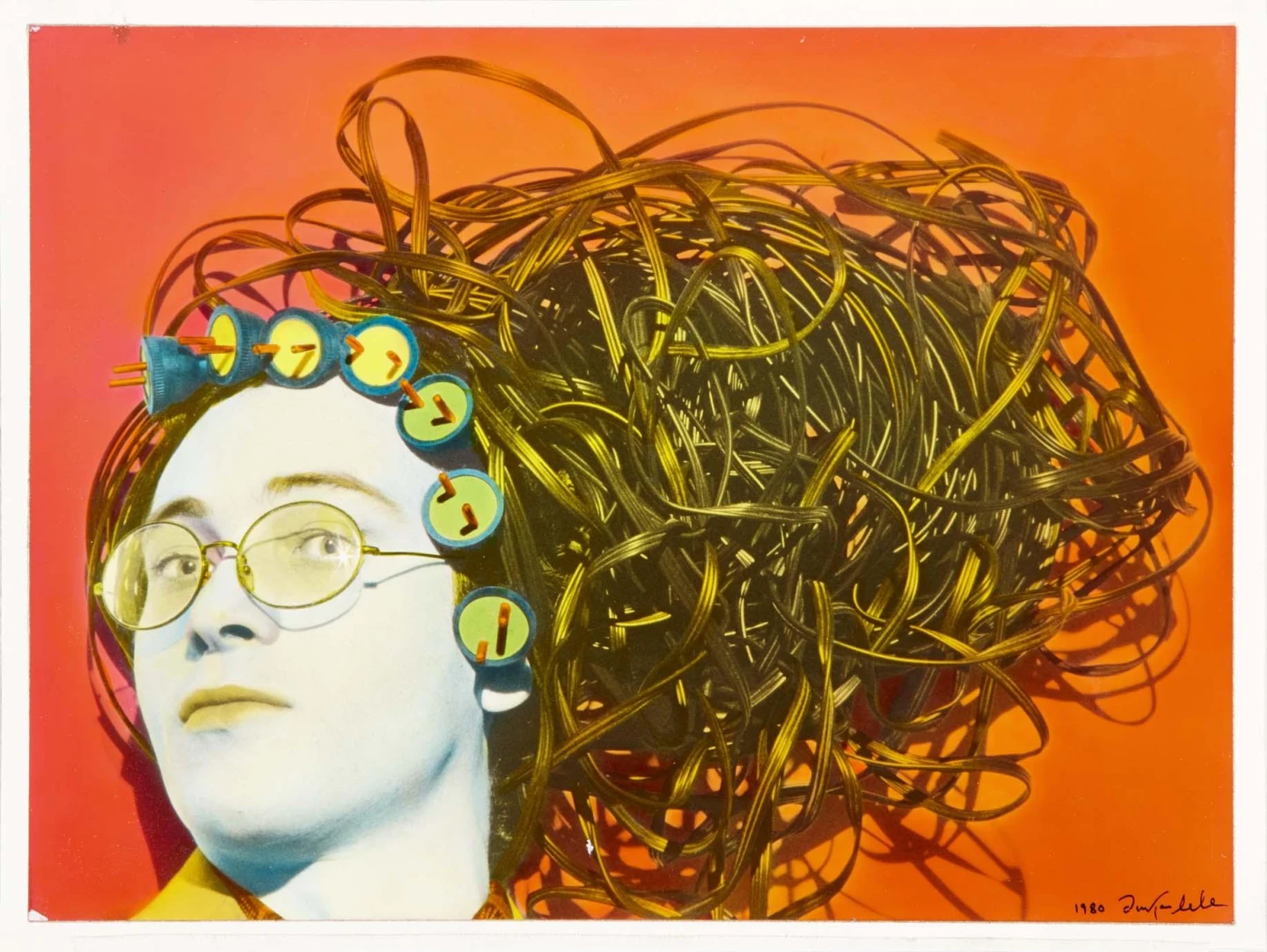
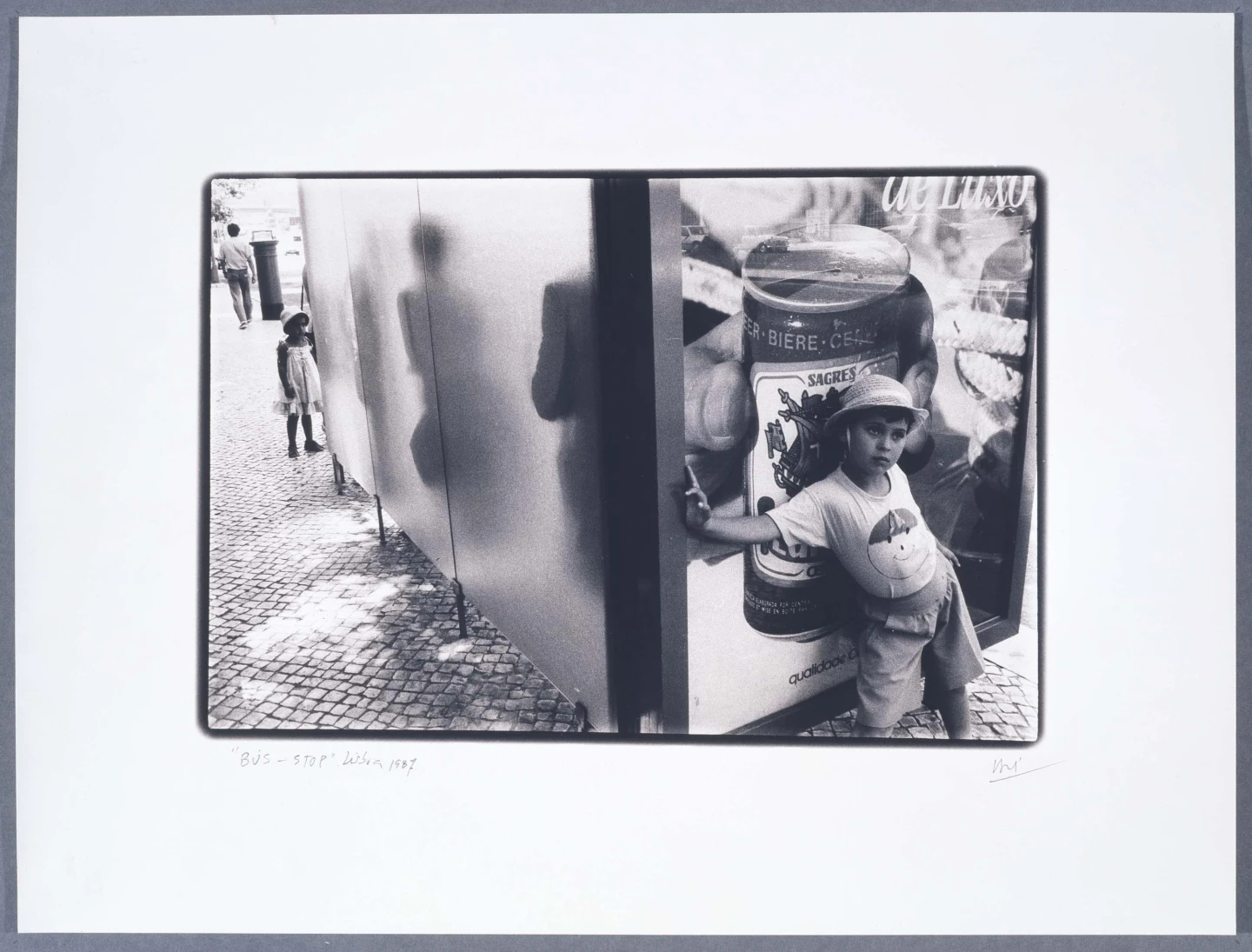
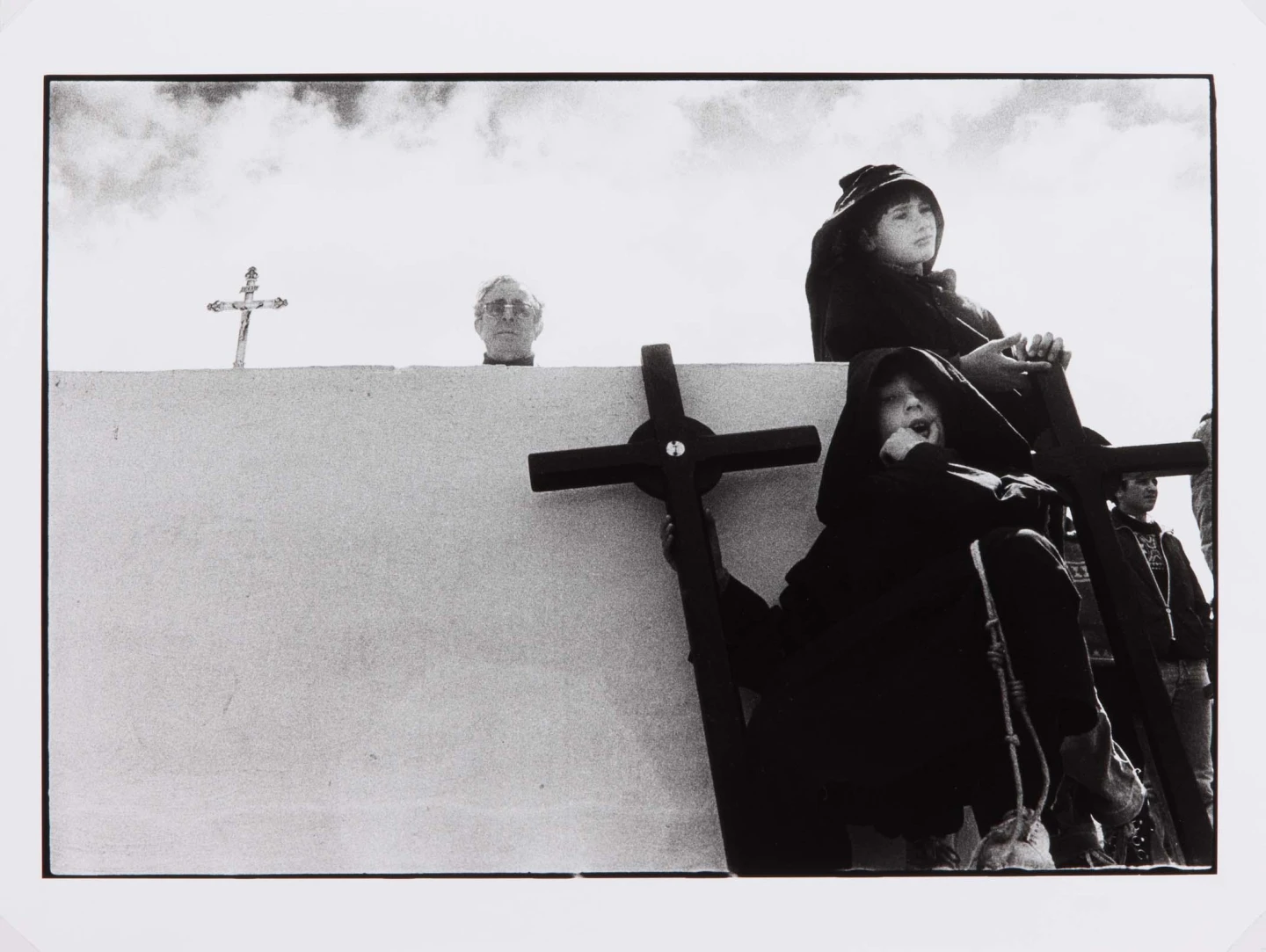
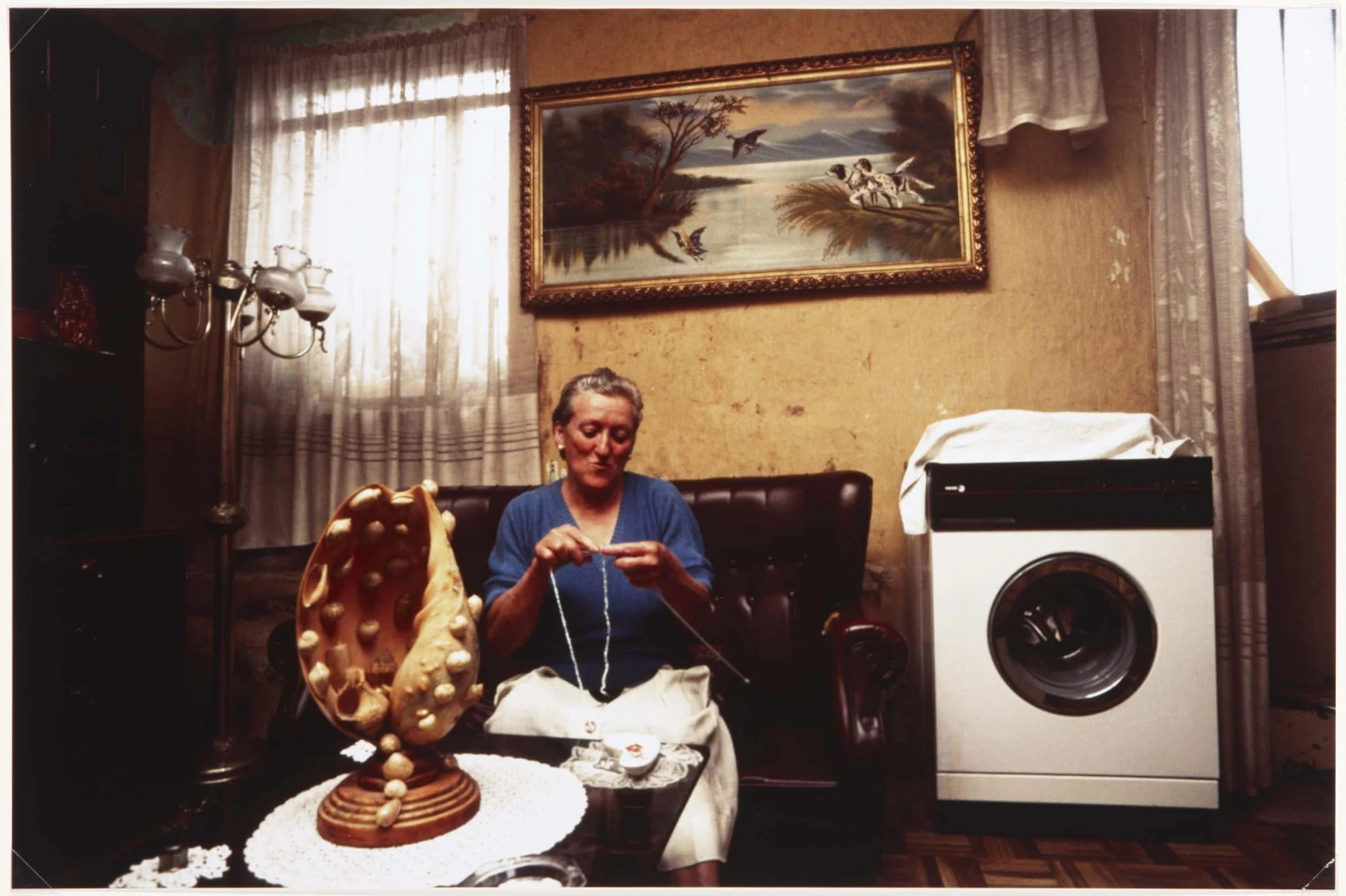
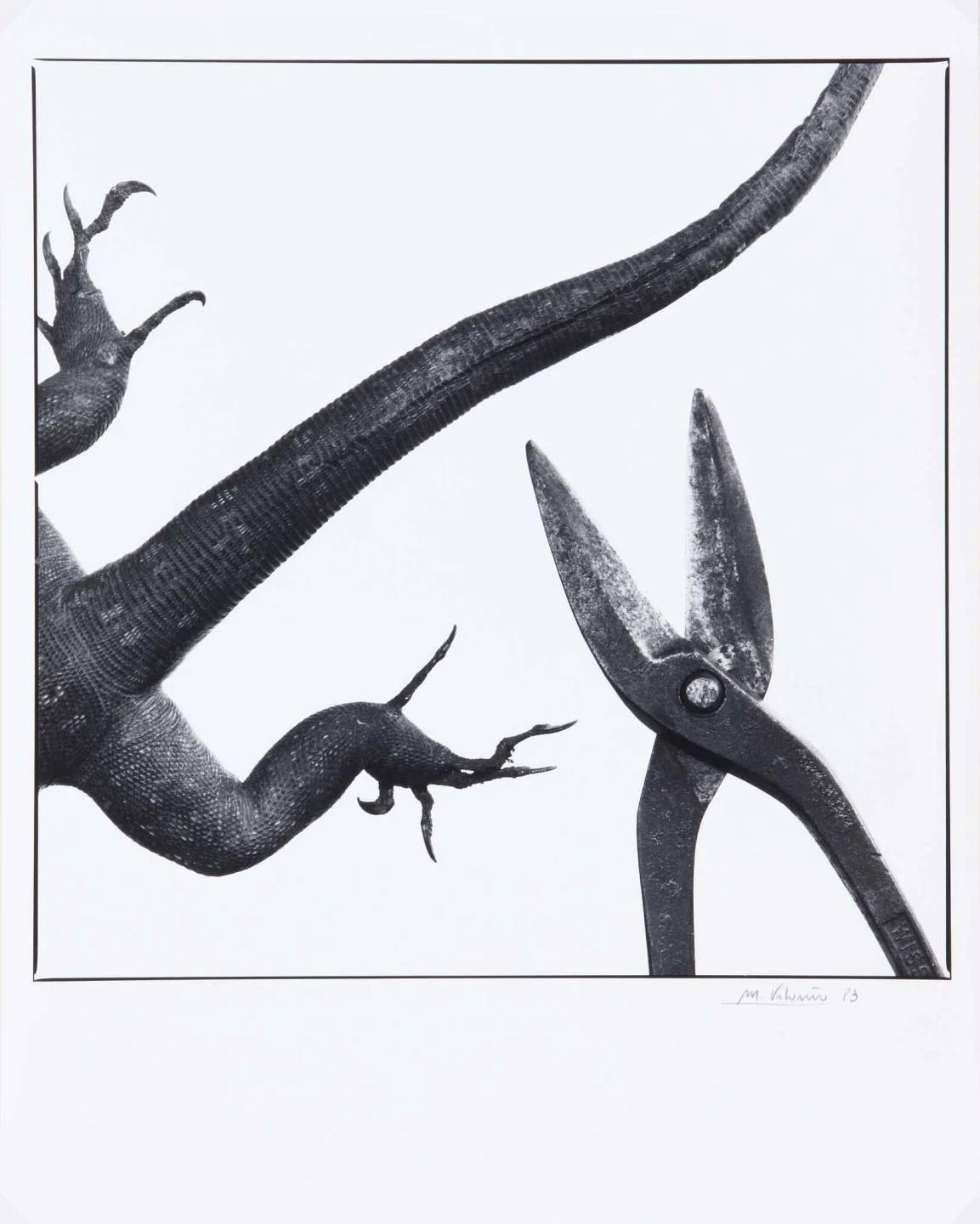
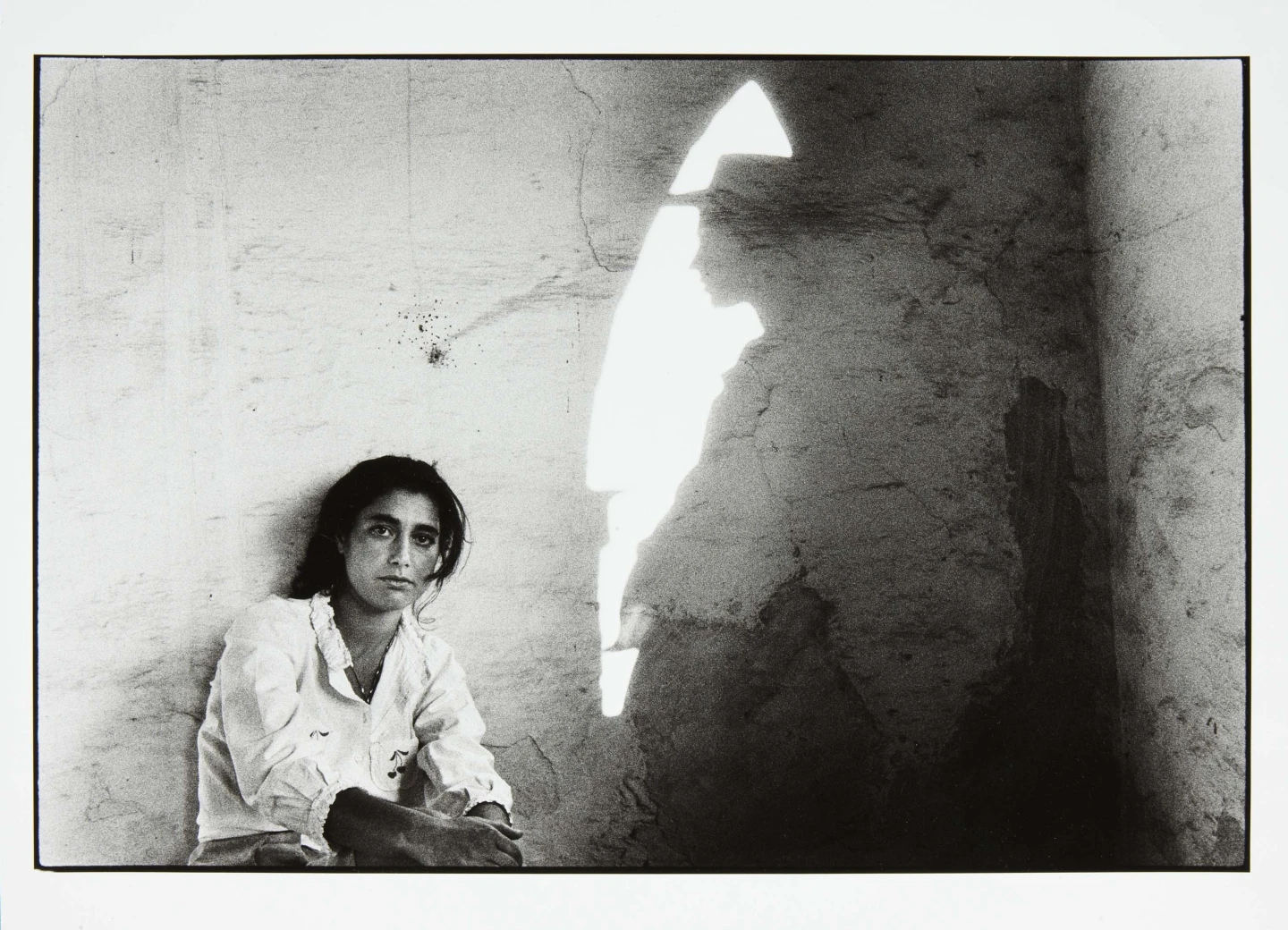
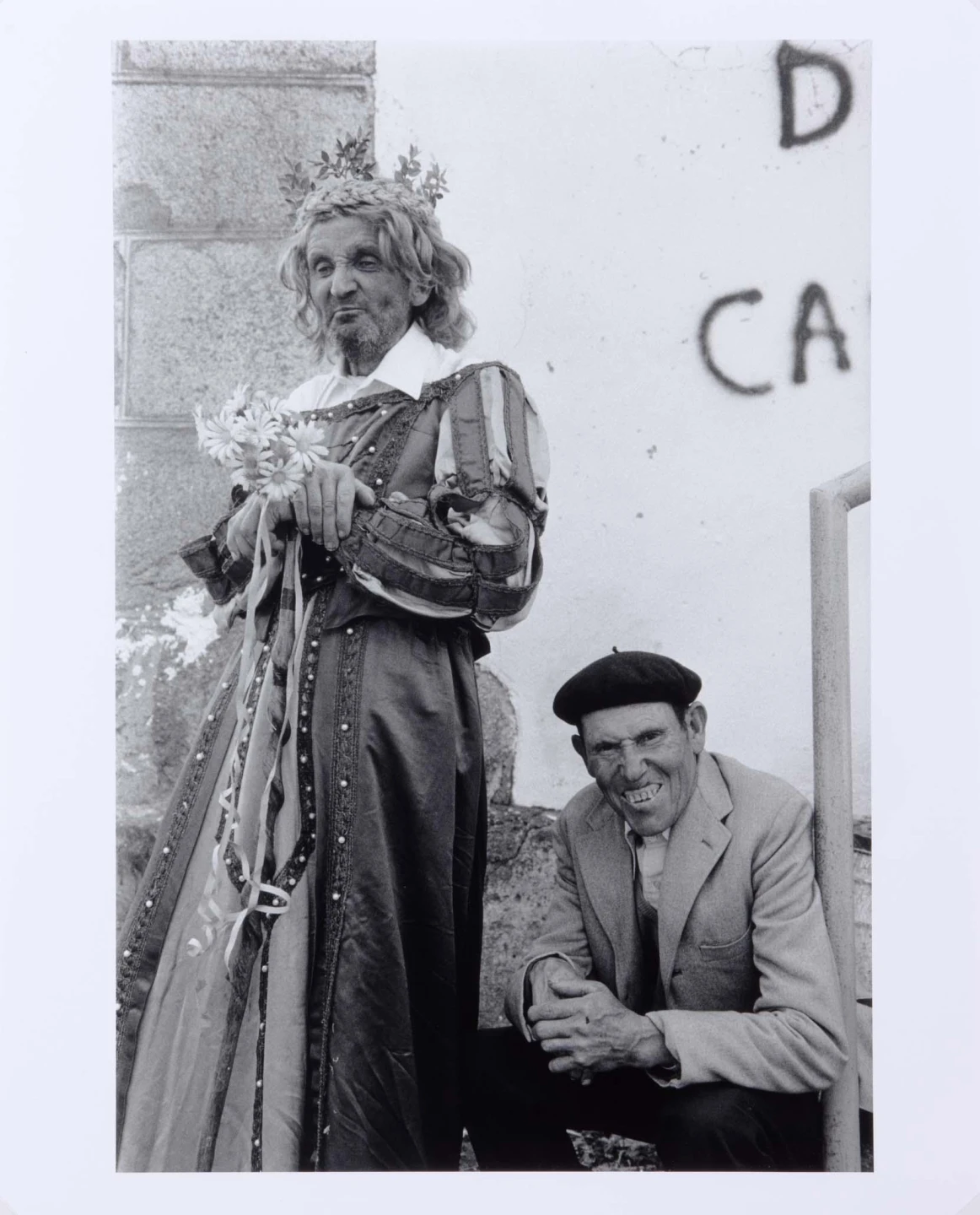
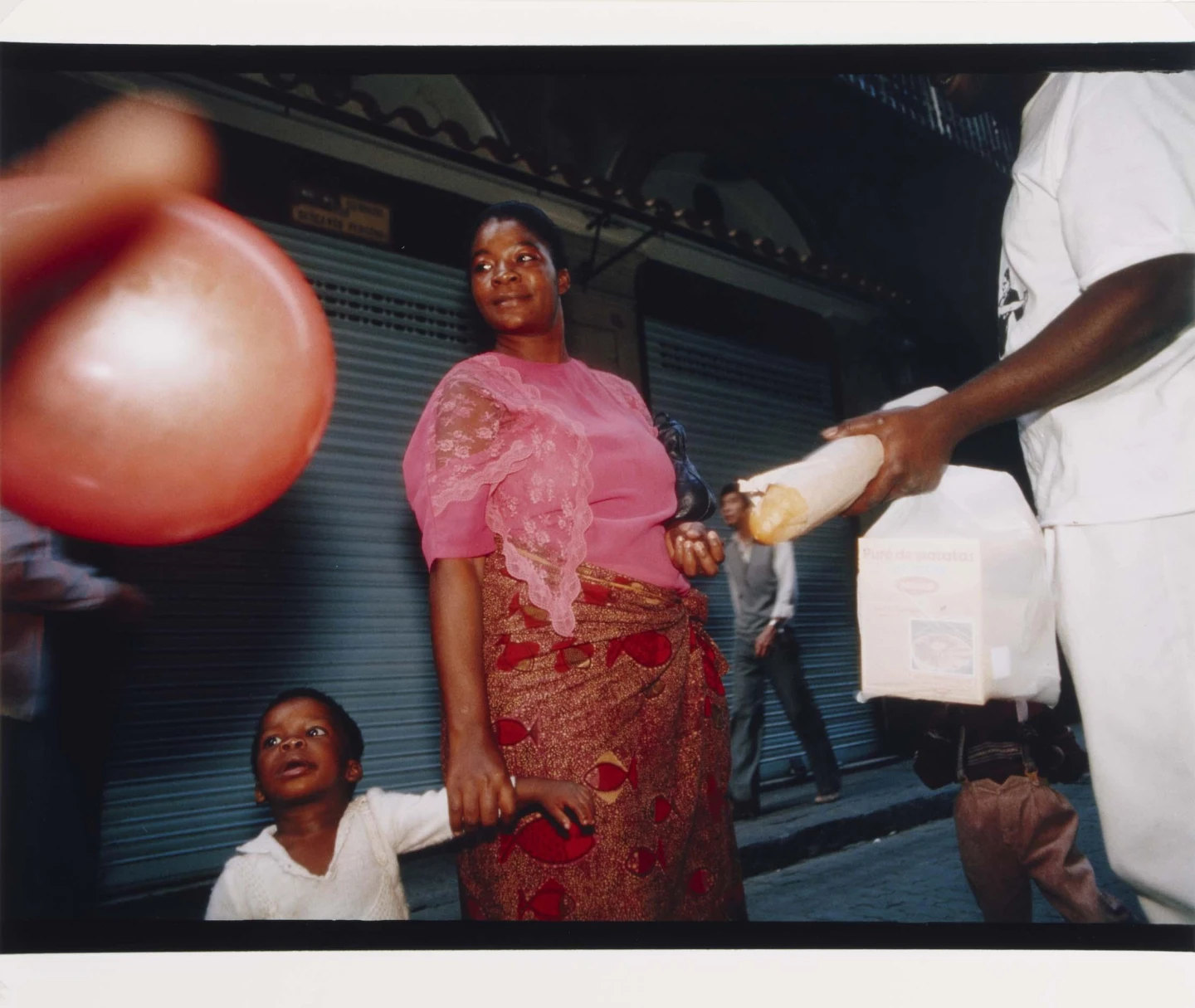
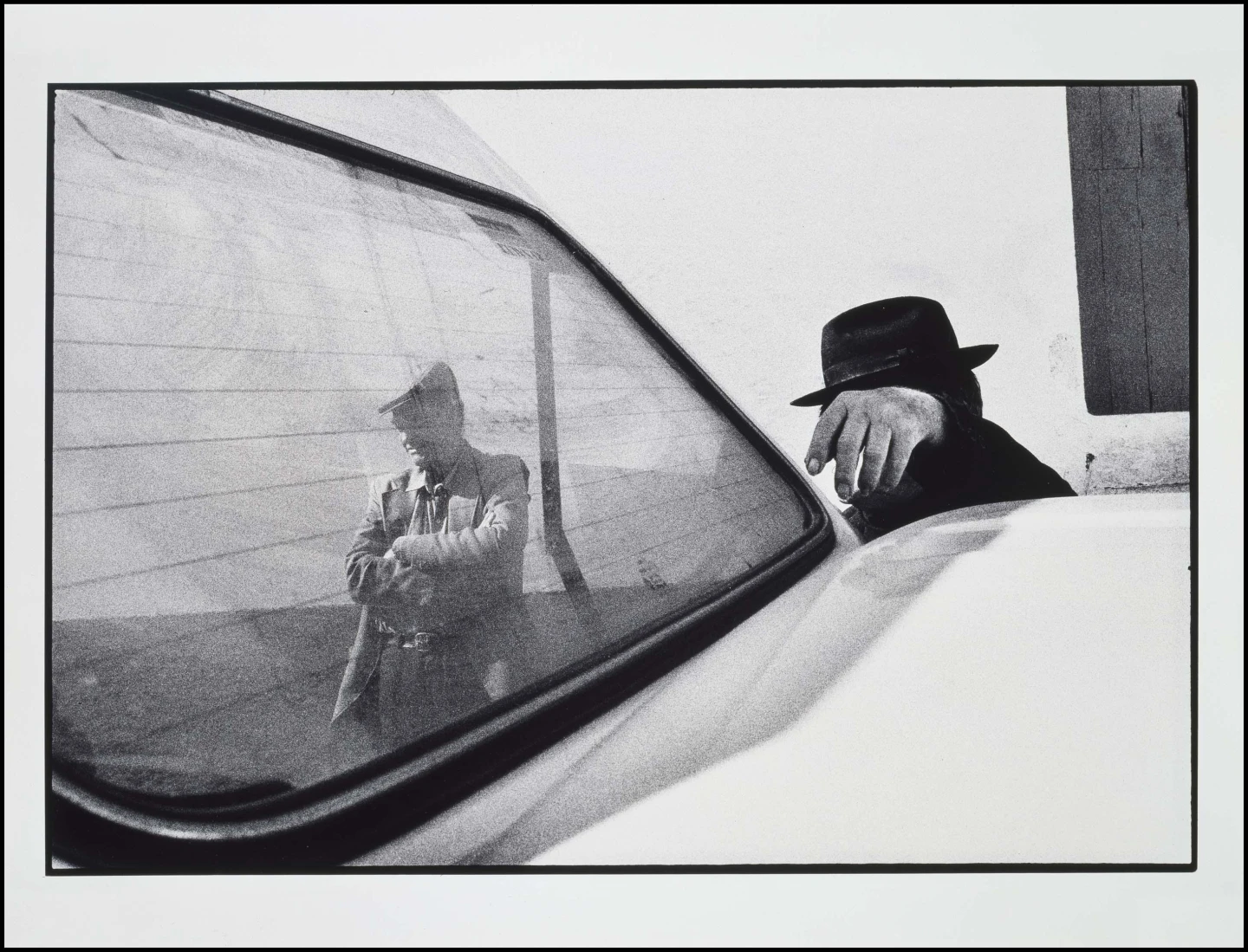
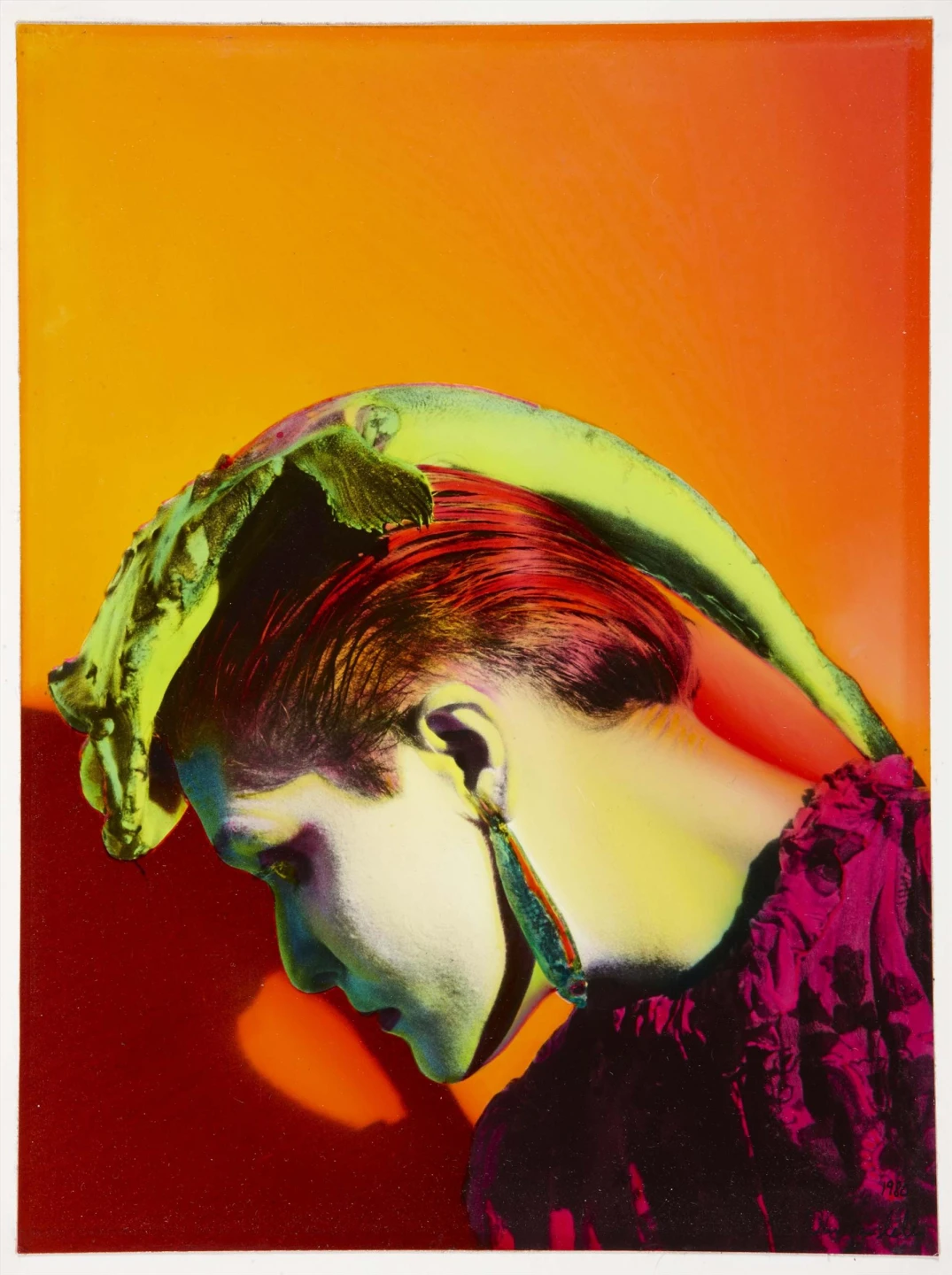
Following the AFAL group’s dazzling humanistic and social phase of documentary photography, the late 1970s saw a reaction centered around the magazine Nueva Lente. Certain photographic practices became exercises in fiction, adopting avant-garde aesthetics like collage and surrealist poetics, reclaiming nineteenth-century pictorialist techniques, or developing a theatricalized photography epitomized by Ouka Leele’s Peluquería (Hairdresser) series. Other types of changes affected documentary photography, which developed new narrative forms and even visual essays to address a reality that was increasingly nuanced after a dictatorship that occurred in black and white. The anthropological investigation of Cristina García Rodero’s España oculta (Hidden Spain) was a major milestone, as she compiled an anthology of Spanish customs, both those rooted in an immutable past and those that forged new ground in the 1970s.
62 artworks

Room 17
A More Painted Painting
Room 19
Critique of Representation