Room 14
Relationalities: Performative Operations with Alien Bodies
In the late 1990s, the effects of late capitalism on society were diagnosed as forms of individual isolation from society. The need for a choral response is reinvigorated in contemporary art through the need for collective production as the only means of ensuring the survival of creators in a precarious system, but also in an art form whose productions are devices that have social effects.
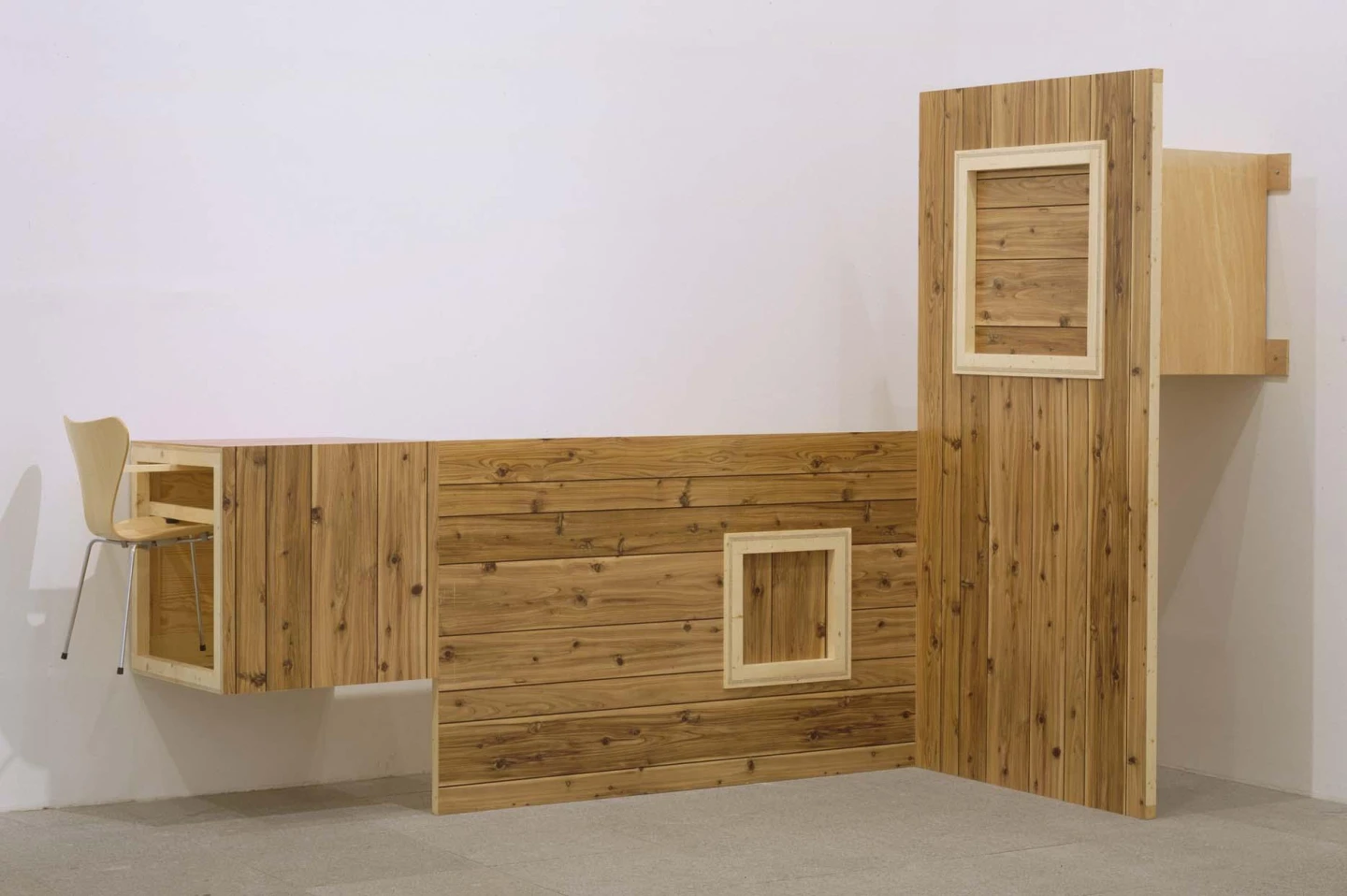
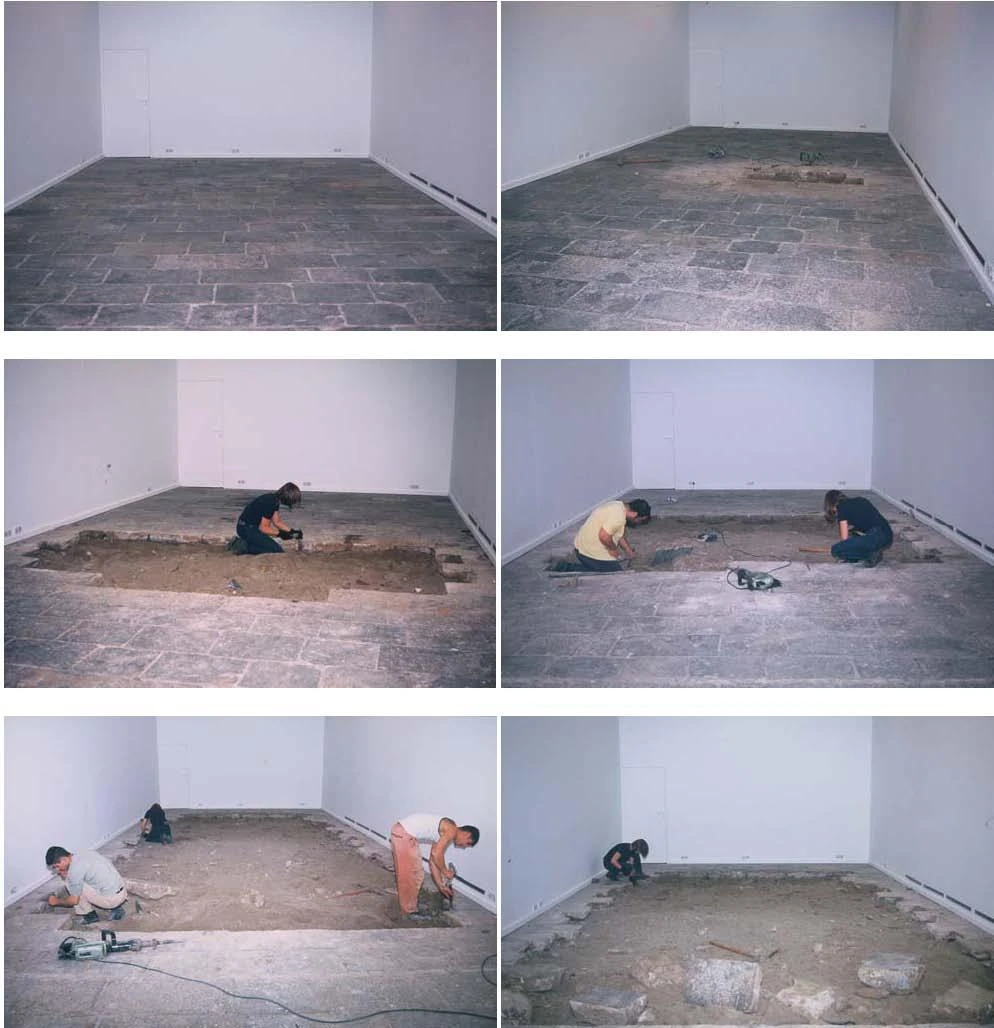
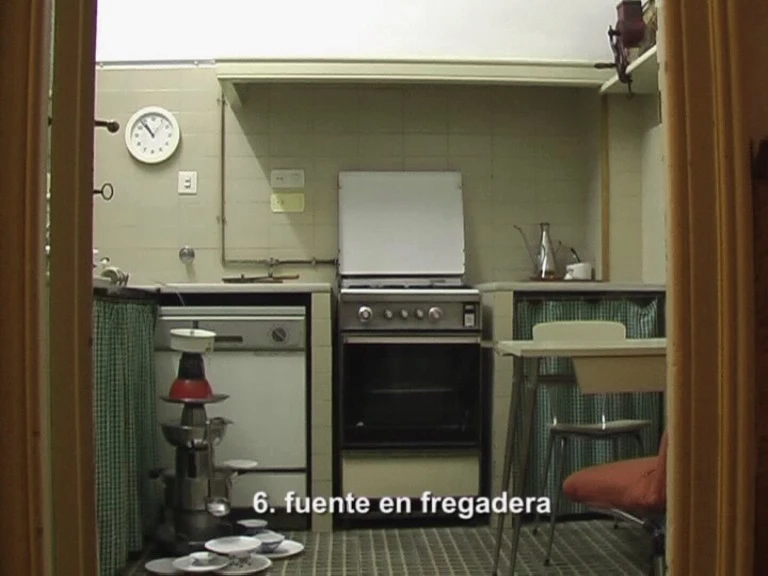
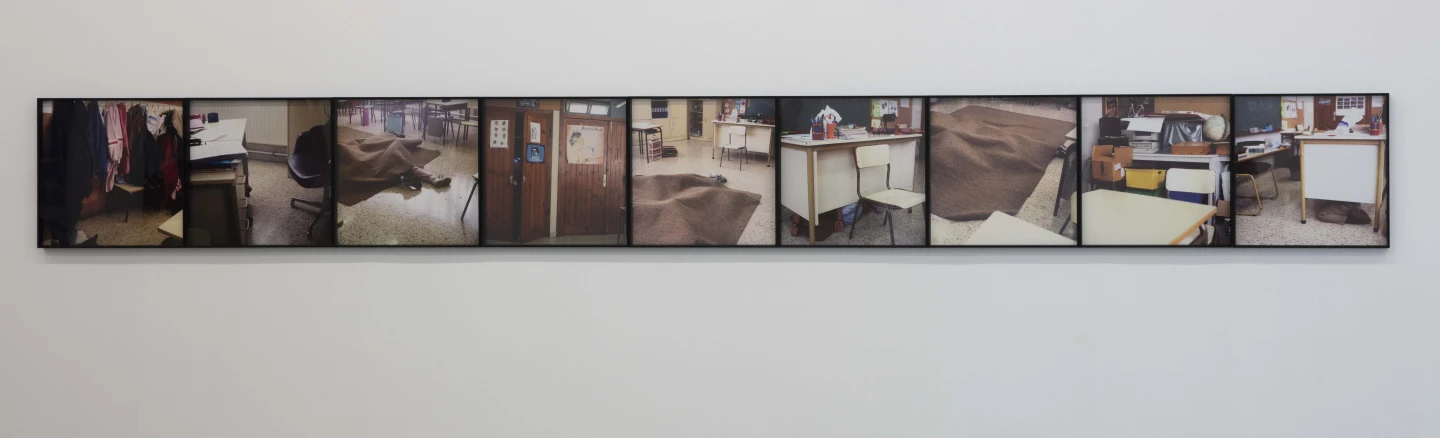
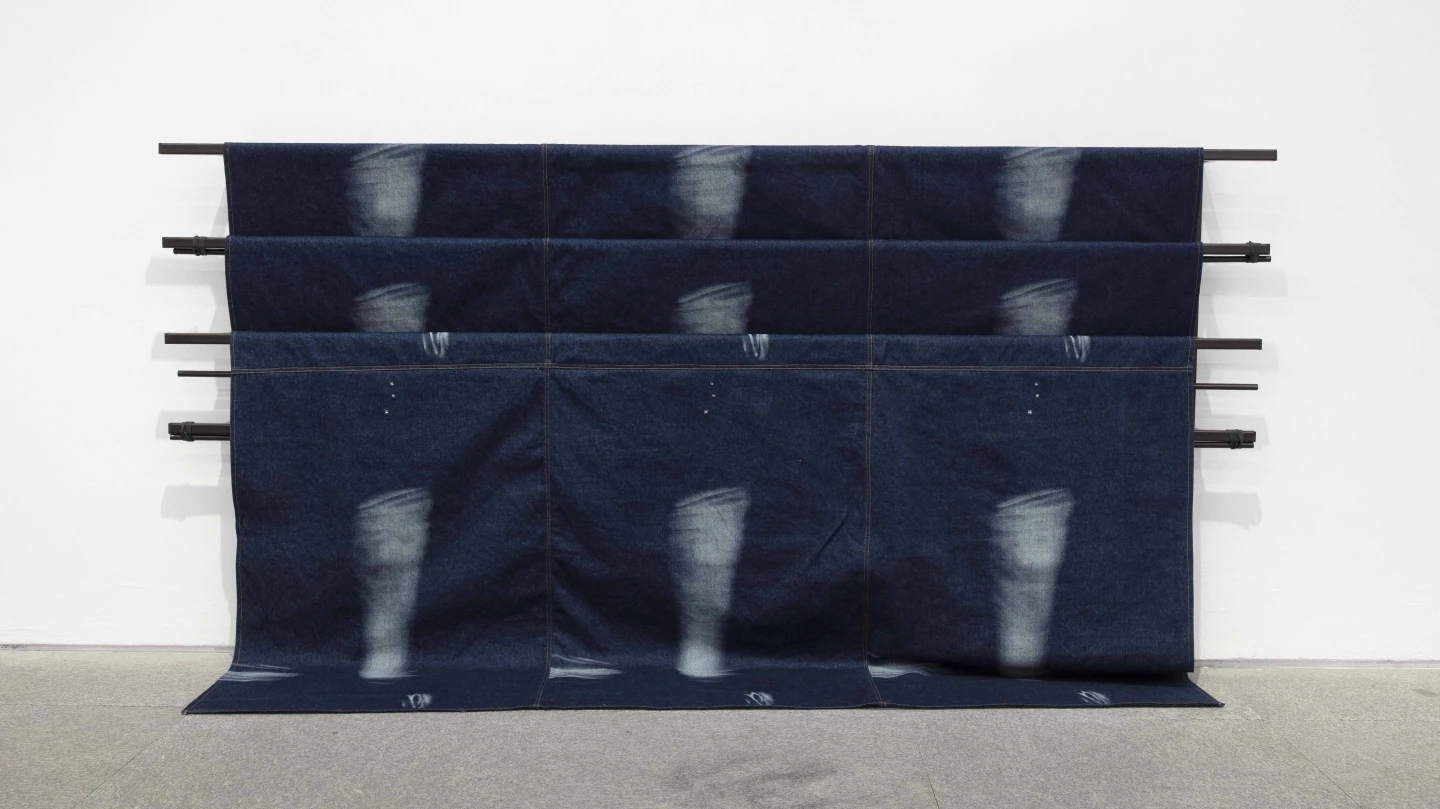
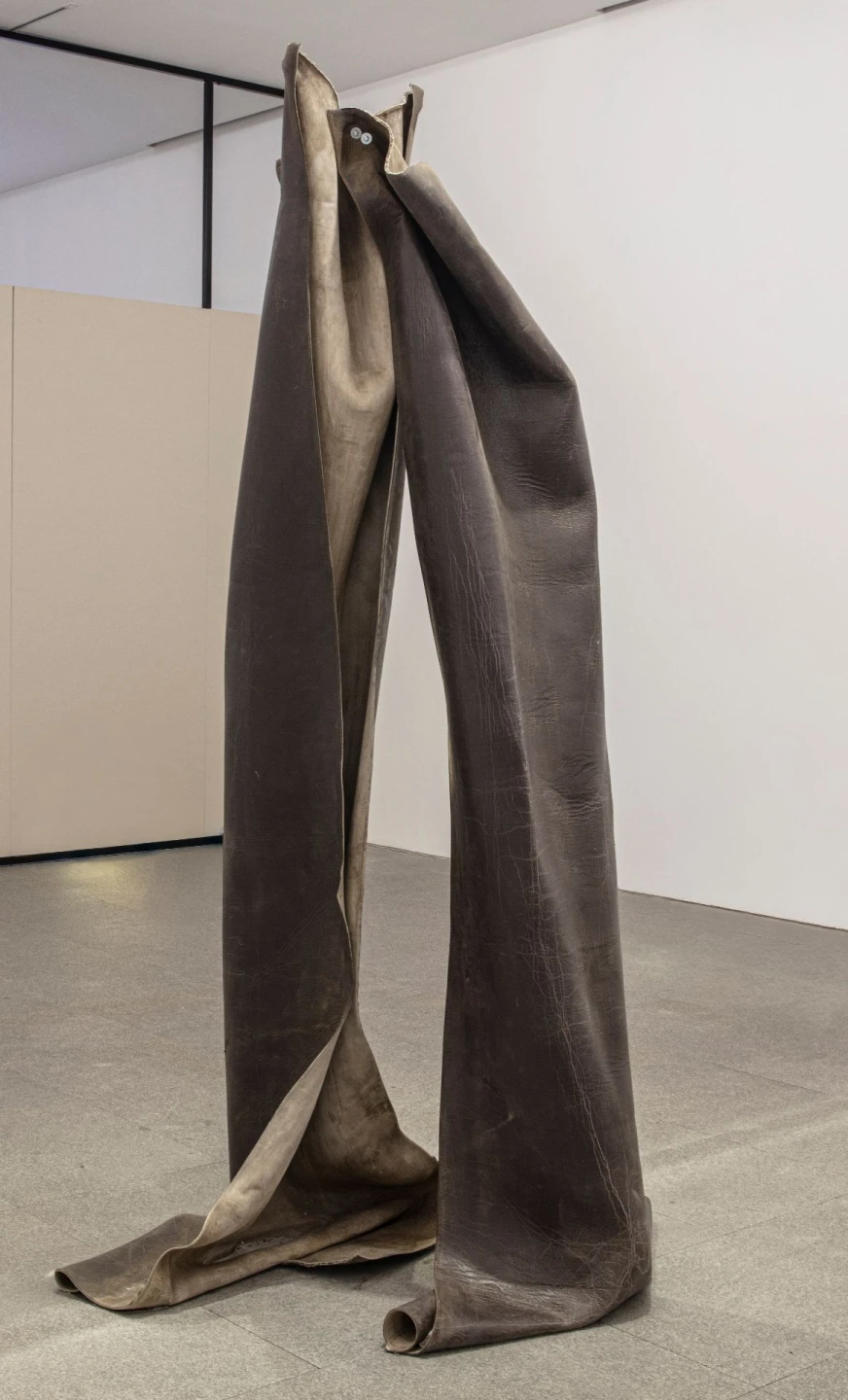
This art of relationship has radically swept away the boundaries between artistic practice and everyday reality. The domestic actions of Bestué and Vives transform the home into a collective compendium of generational meanings. Álvaro Perdices collaborates with schoolchildren to produce a utopian iconography of educational rebellion. Santiago Sierra exposes the cruelty of production relations in a system of racist, classist oppression. Maider López hands out towels to visitors at a beach, thus turning the natural setting into her total work of art. Alicia Framis reveals each of the internal manufacturing processes of a textile giant as if it were a secret labor strike.
Relationality has also had fundamental effects on art institutions and on the primacy of forms of mediation in the museum experience. At a time of maximum tension concerning institutional boundaries, but also as the museum itself was opening up to new communities, in 2001 the Museo Reina Sofía turned its Espacio Uno into an after-hours club with the intervention of artist Ana Laura Aláez
16 artworks

Room 13
New Materialisms