Room 12
Las auras frías (Cold Auras)
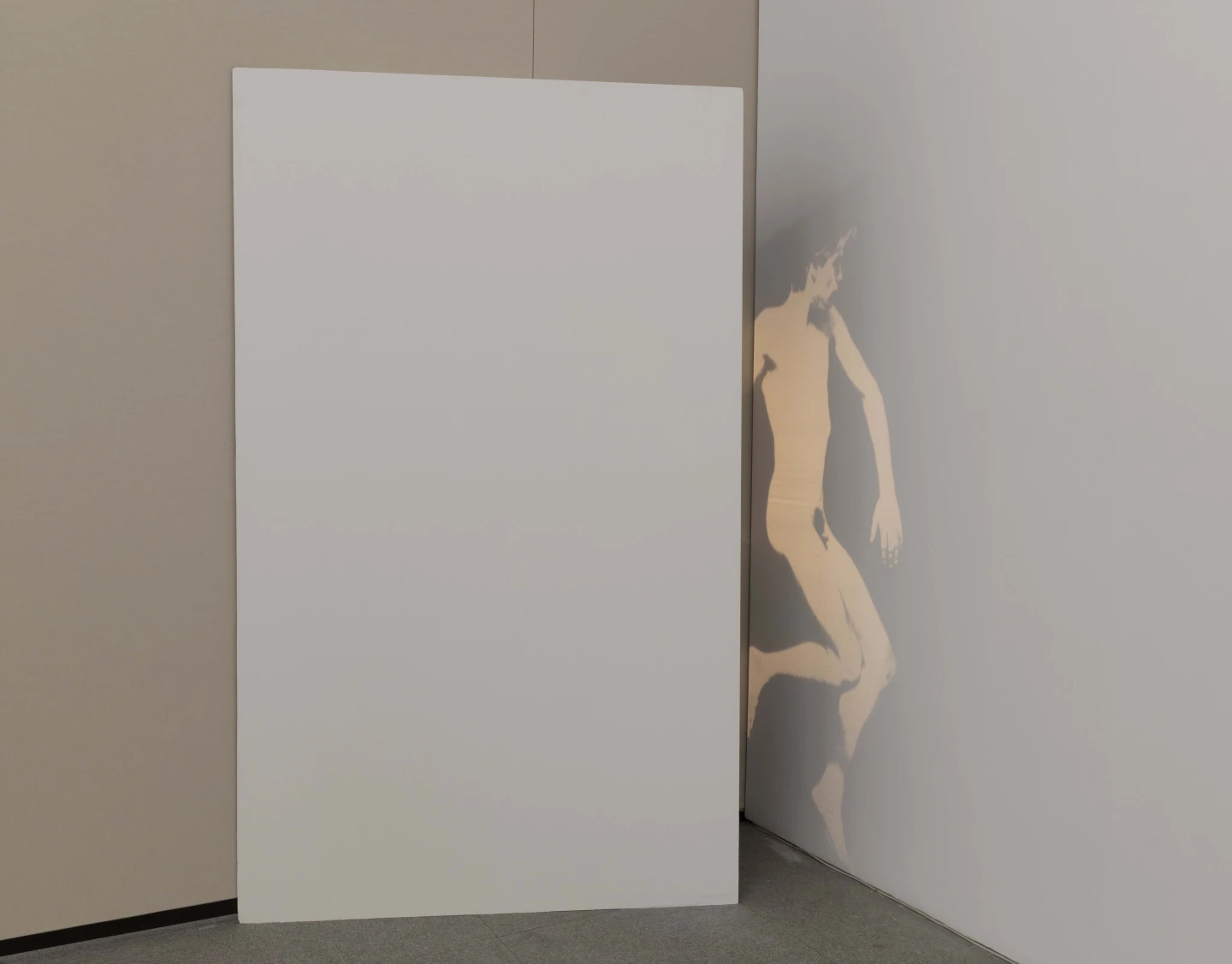
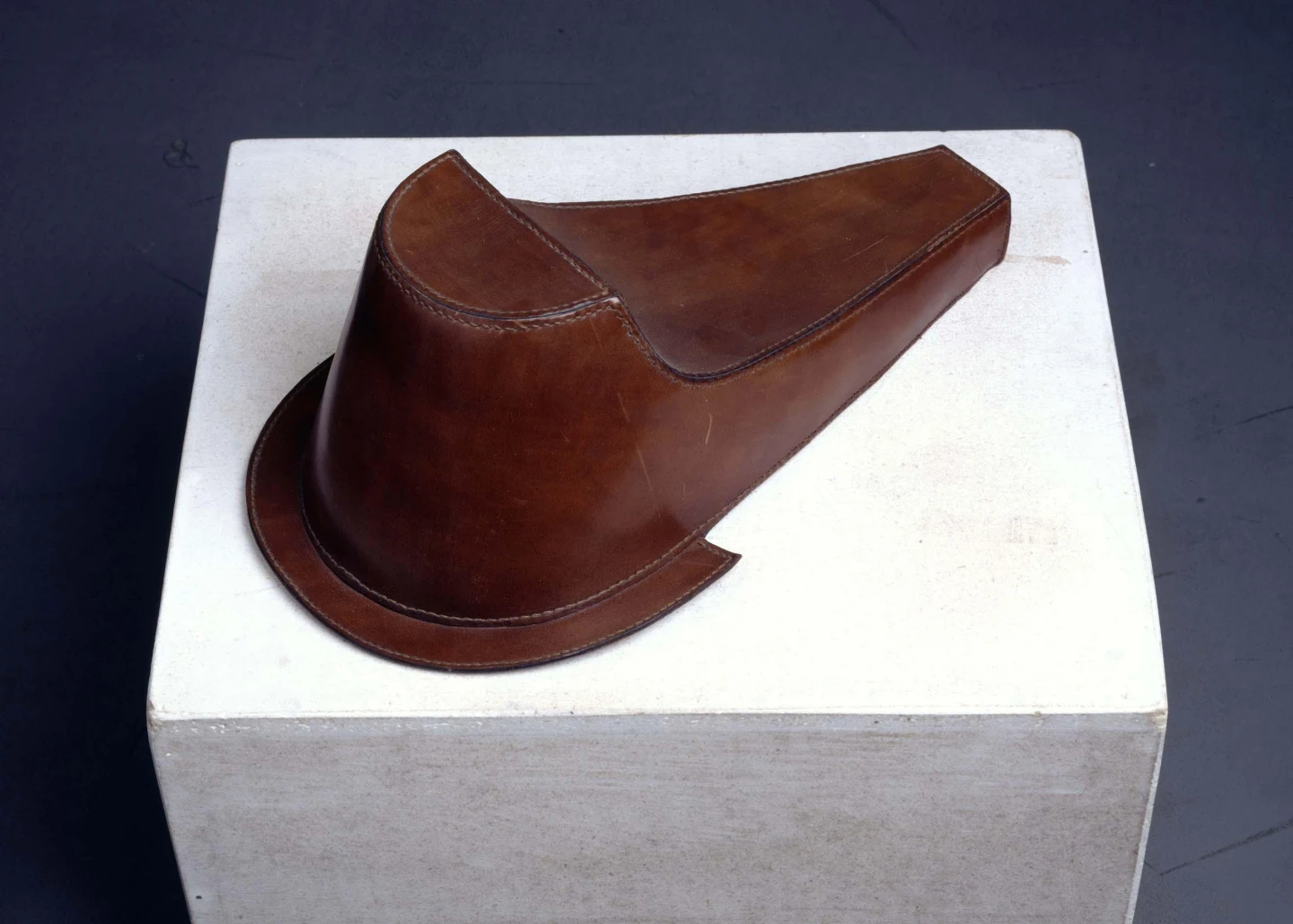
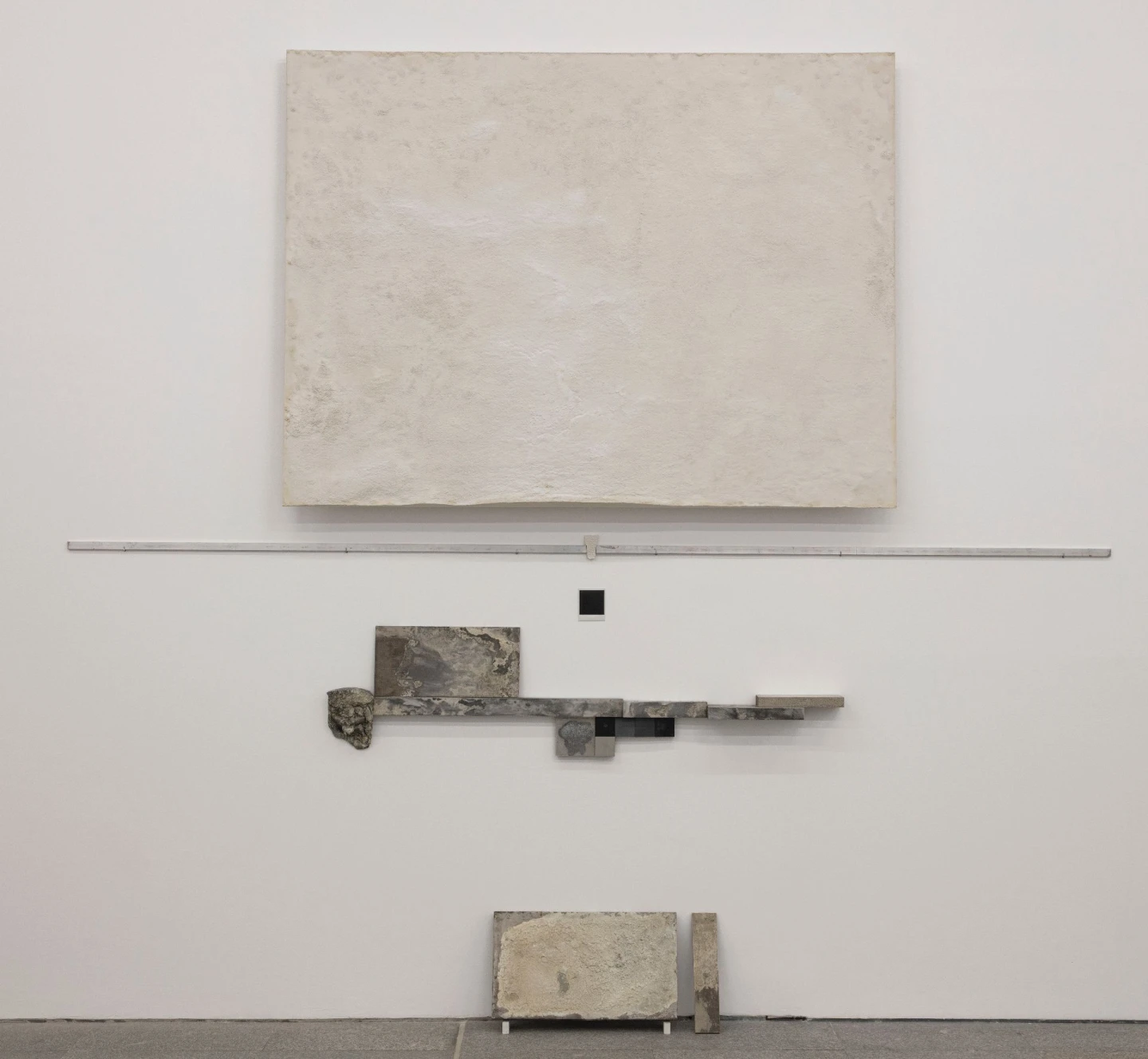
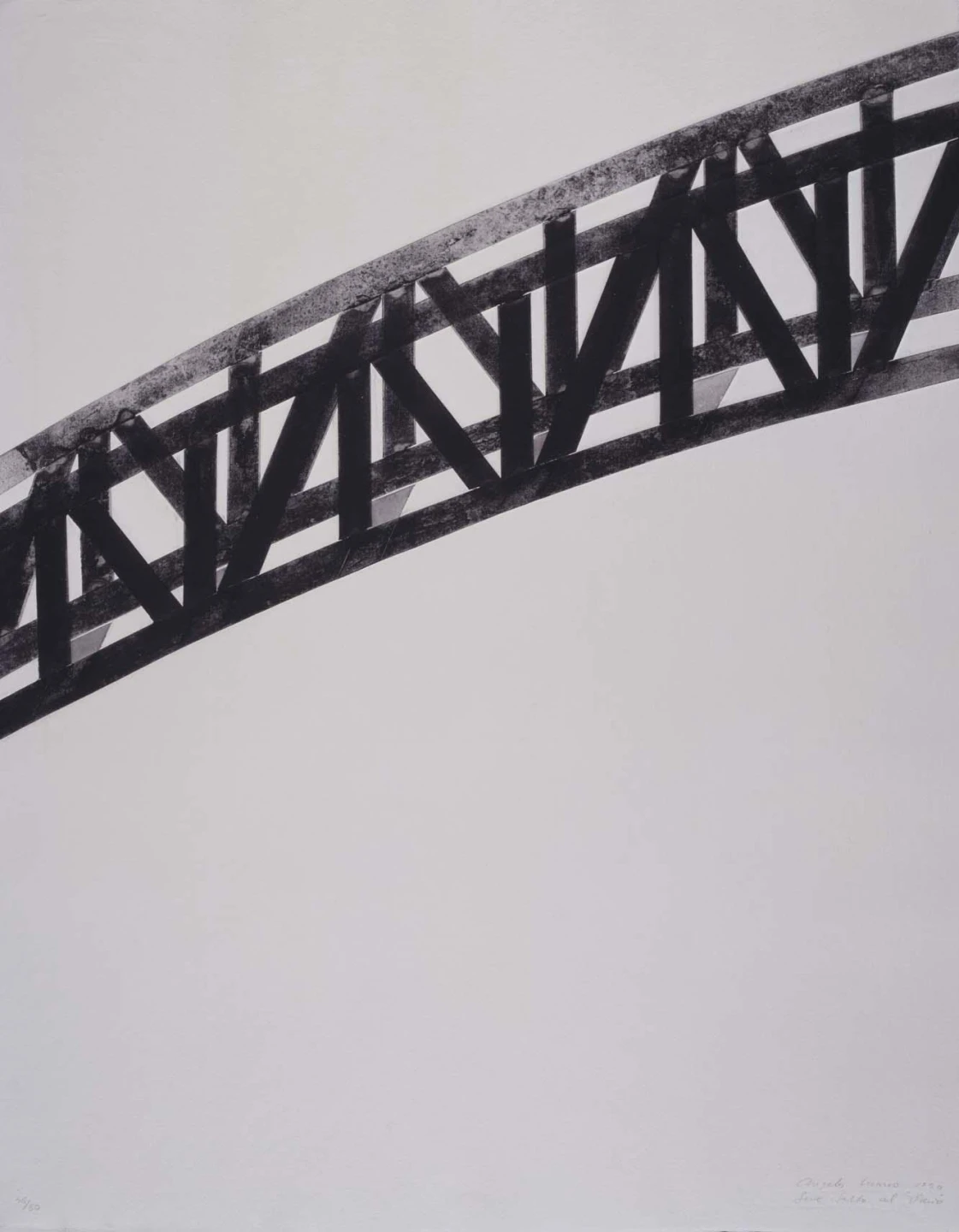
In the late 1980s, José Luis Brea embarked on a project to revive new artistic behaviors that had been rendered invisible by the triumph of painting. His 1991 books Nuevas estrategias alegóricas (New Allegorical Strategies) and Las auras frías (Cold Auras) heralded a posthumous era of culture and a crisis of language. However, where signs seemed to be at the limit of their capacity to signify, Brea saw the possibility of a new art, of works turned inward on themselves, aware of their participation in the production of subjectivity and representation, able to affect the world and promote a proliferation of ways of life.
In his critical work, there is a clear cooling of the aura of hot expressionism, a return from politics to art, a rejection of market power, and an attachment to the collective in a context of devastation: the Neo-Baroque, a term coined by Brea, was a work of grieving in response to AIDS, and its apparent coldness represents an ethical exercise of great emotional depth.
New technological media were fundamental to allegorical existentialism and the break with traditional languages. Brea’s thinking, which promoted unconventional expressive strategies, gave rise to new multimedia practices throughout the 1990s.
The works that emerged from these discussions say what they have to say, but they share their own interpretative acts. The formalization of art as metalanguage or tautology is a self-awareness about representation.
25 artworks


Room 11
Sculptural Structuralism in the 1970s
Room 13
New Materialisms