Room 10
Mourning: The Triumph of Fiction
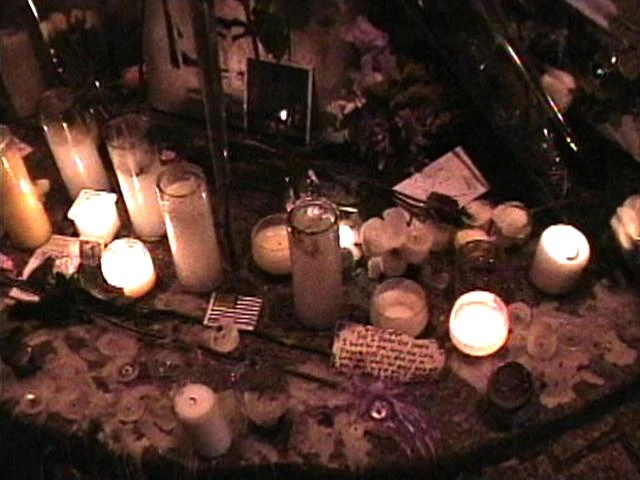
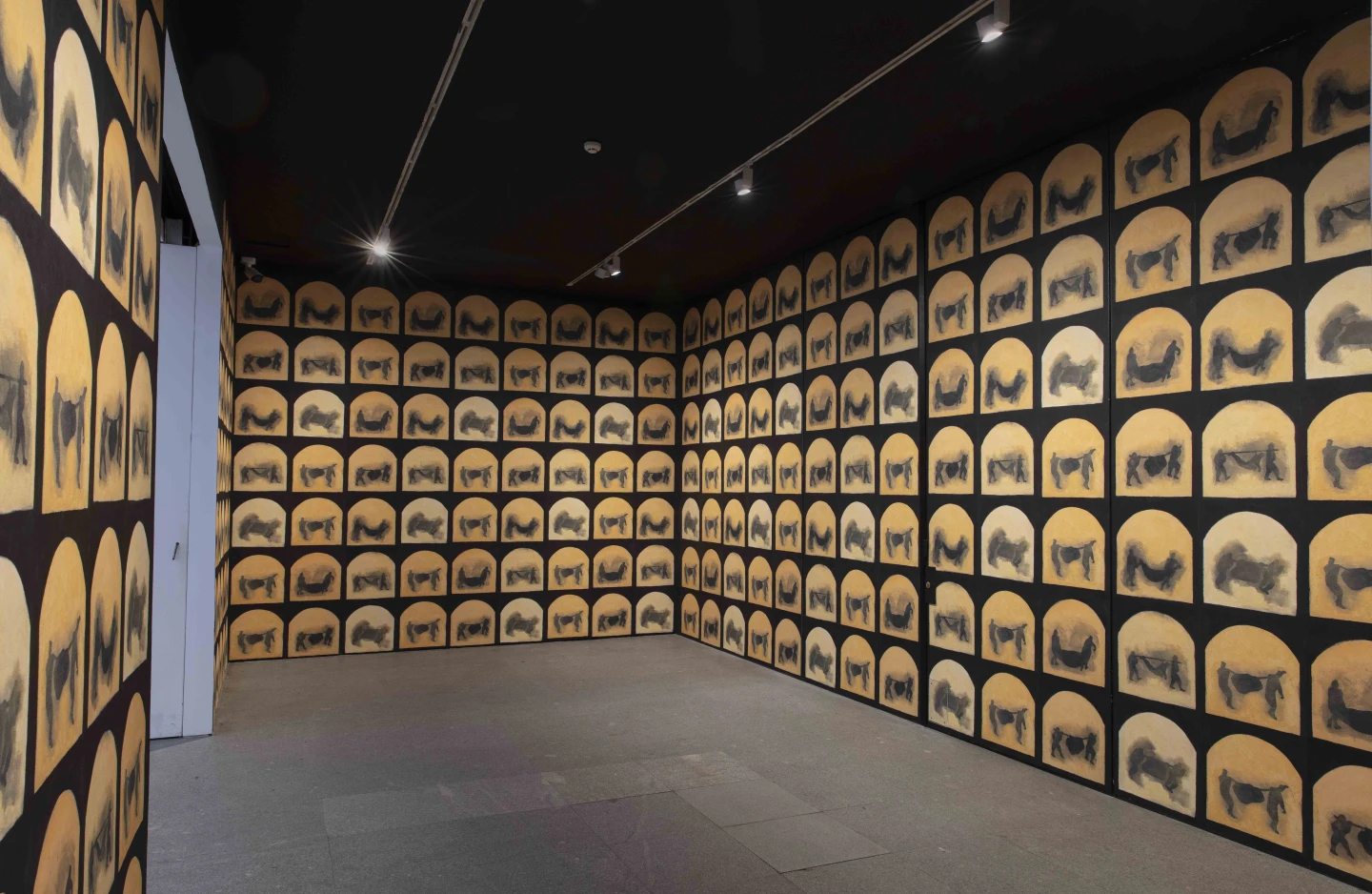
The twenty-first century began with a terrorist attack that caused a globalclimate of emotional anxiety. In Spain, that anguish was rekindled on March 11, 2004, with the Al Qaeda attack in Madrid. The collective grief experienced by people feeling the loss of others they have never knownhas been a central experience in the production of subjectivity in recent decades. This social mourning was mirrored in the mourning of representation, in the constant void of reference and in the loss of reality in favor of fiction, which gave rise to an uncompromising art form, focused on the confirmation of loss and symptomatic of the relationship between language and things in the present.
After 9/11, the search for weapons of mass destruction that never existed changed the world order. The fiction we now call “fake news” has direct effects on reality: when its mechanisms are set in motion during a pandemic, a war, or an attack, they become social challenges that give rise to communities of people who must recognize themselves as such in order to act. Mourning involves managing a series of ceremonies and symbols, practices and meanings that allow us to transcend the intimacy of emotion in order to form a coalition.
Juan Muñoz’s Wasteland presented the triumph of fiction not as a hope for reality, but as a condemnation of the desert of representation. As Hannah Black wrote, “The end of the world is a fantasy but death is still real.”
6 artworks



![Juan Muñoz, The Wasteland [Tierra Baldía], 1986. Colección Juan Muñoz Estate. Fotografía: Roberto Ruiz. © Copyright Juan Muñoz Estate](https://recursos.museoreinasofia.es/styles/small_portrait/public/Colecci%C3%B3n/Foto%2018%20Juan%20Munoz.jpg.webp)
Room 9
The Costumes of Grief