Room 201.03
Holy Bohemia. Ramón Gómez dela Serna, the improbable artist
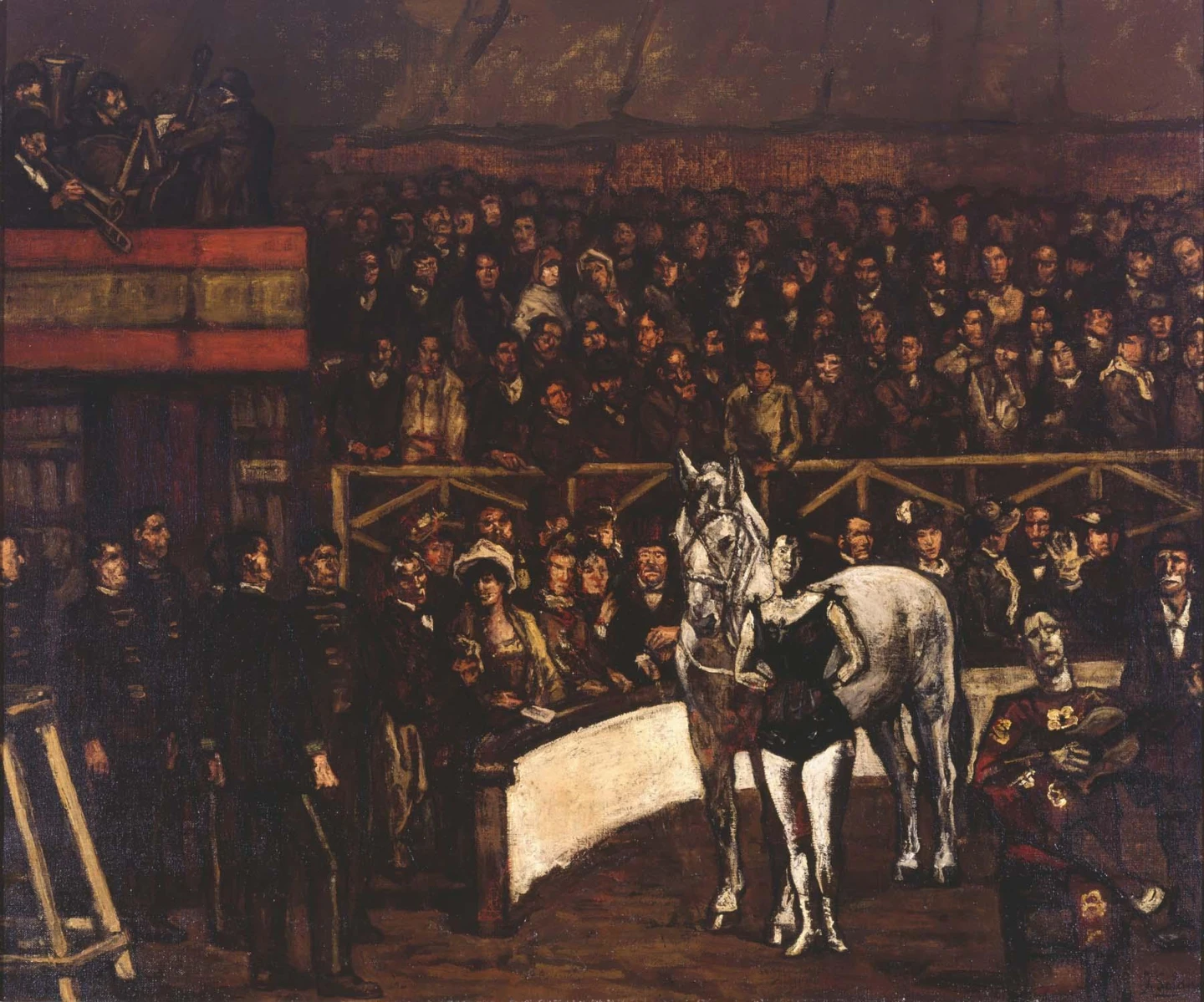
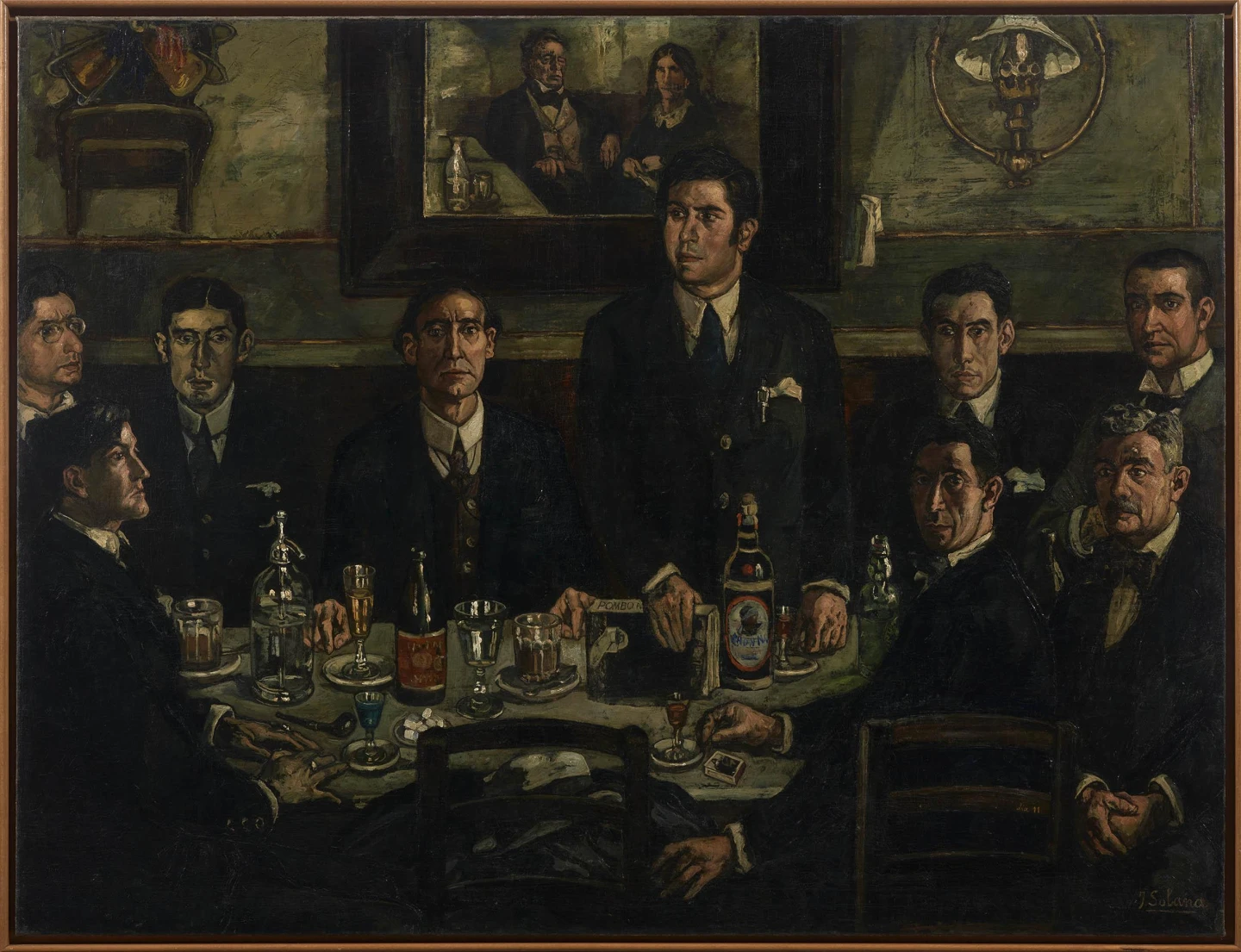
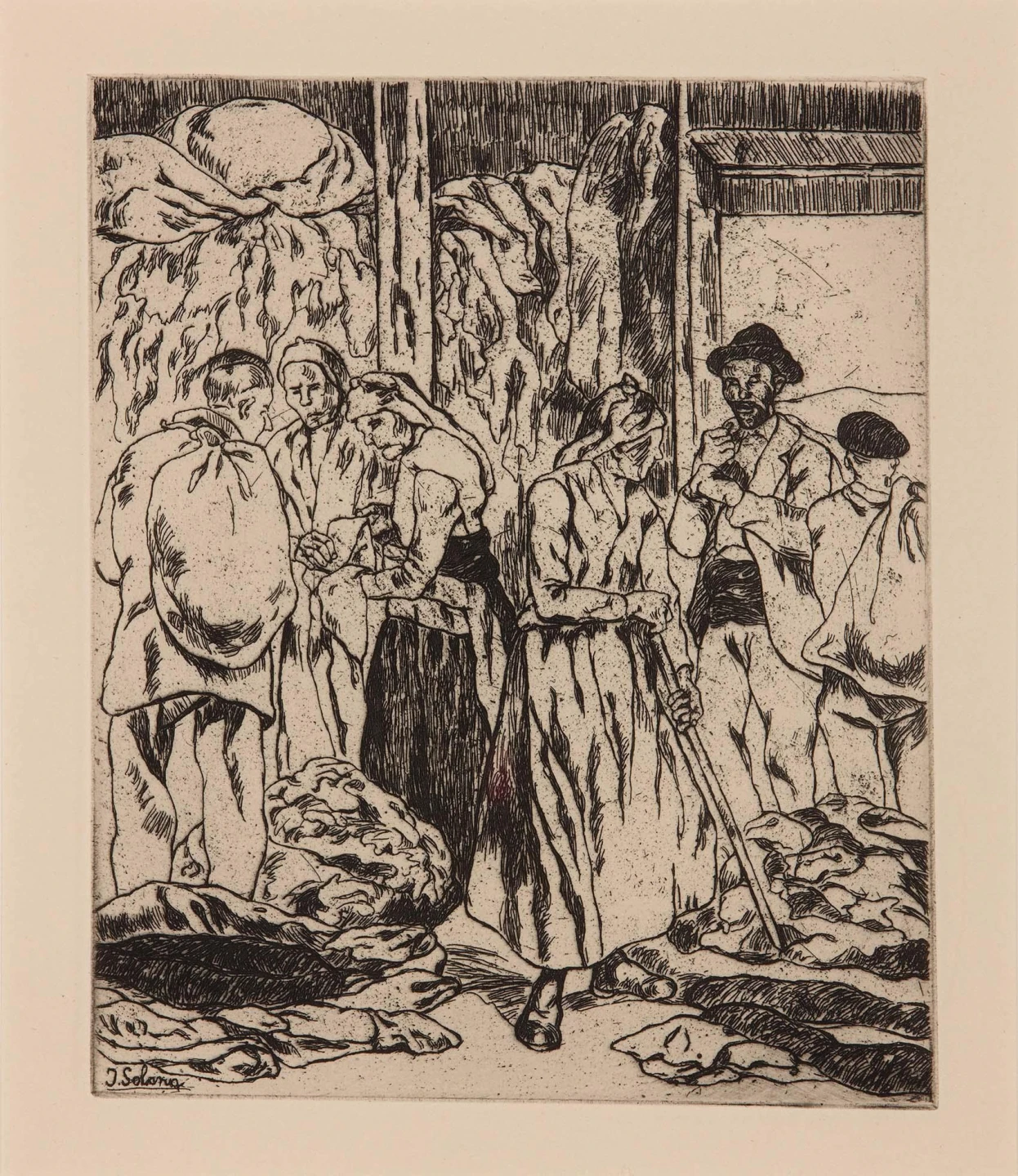
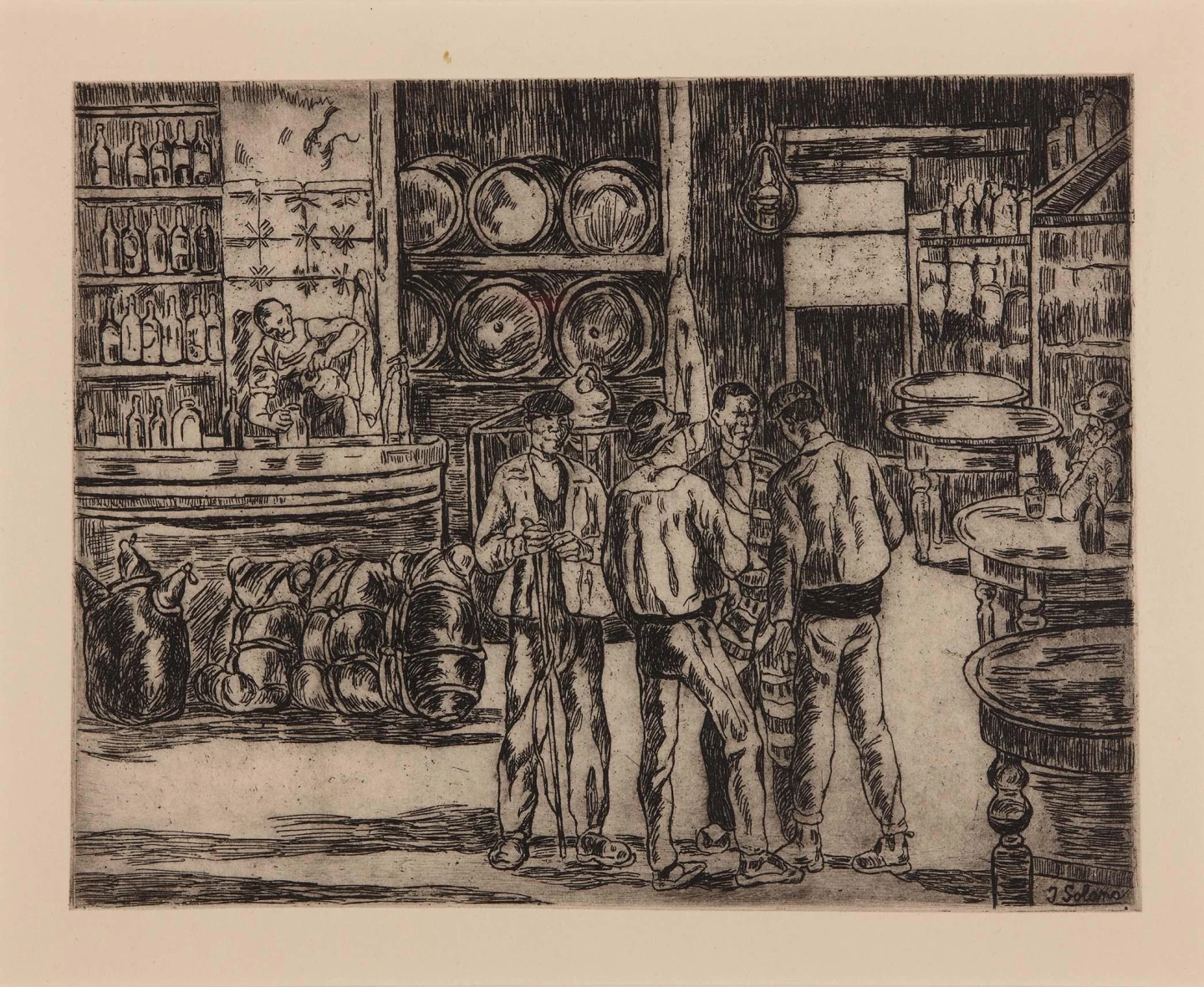
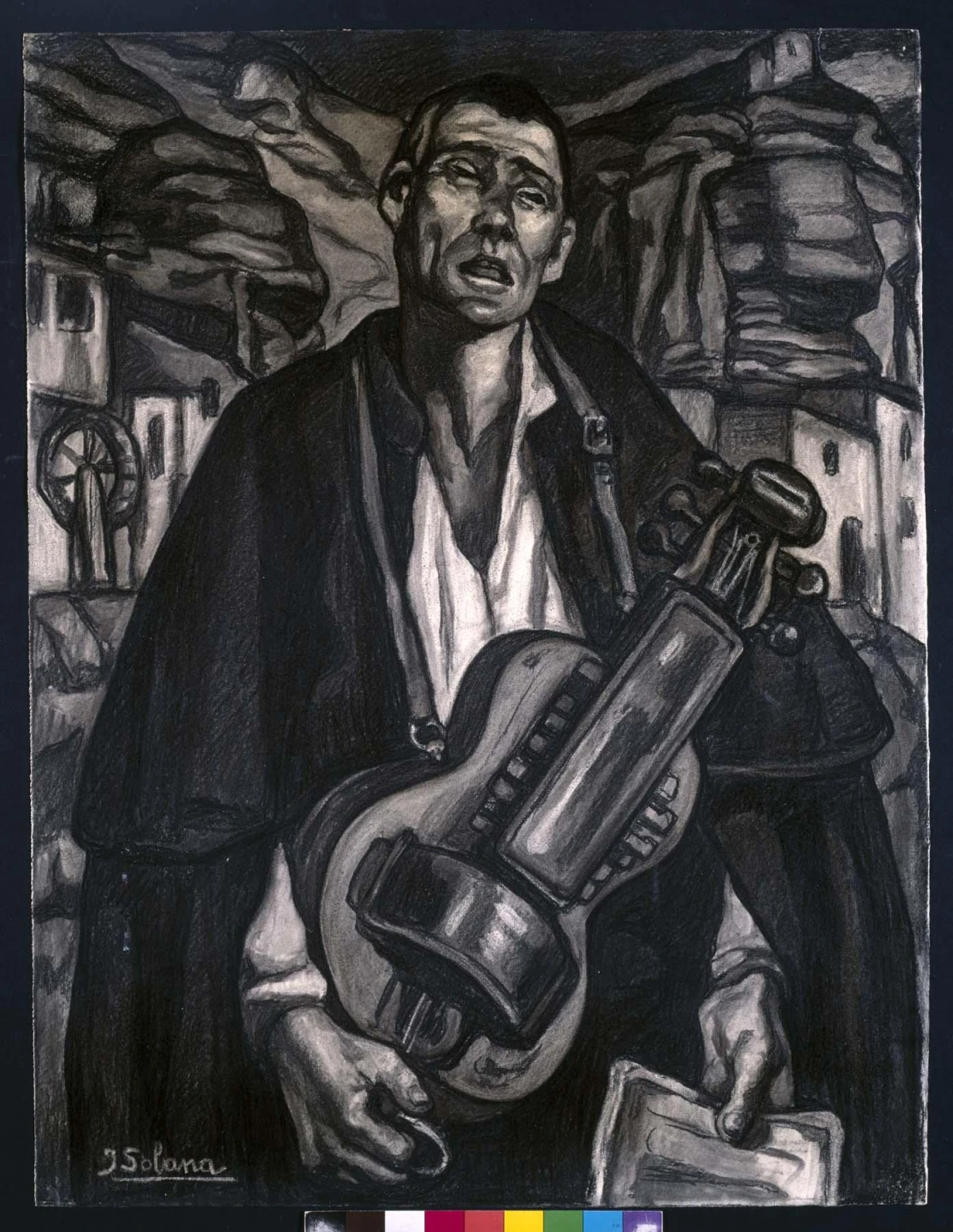
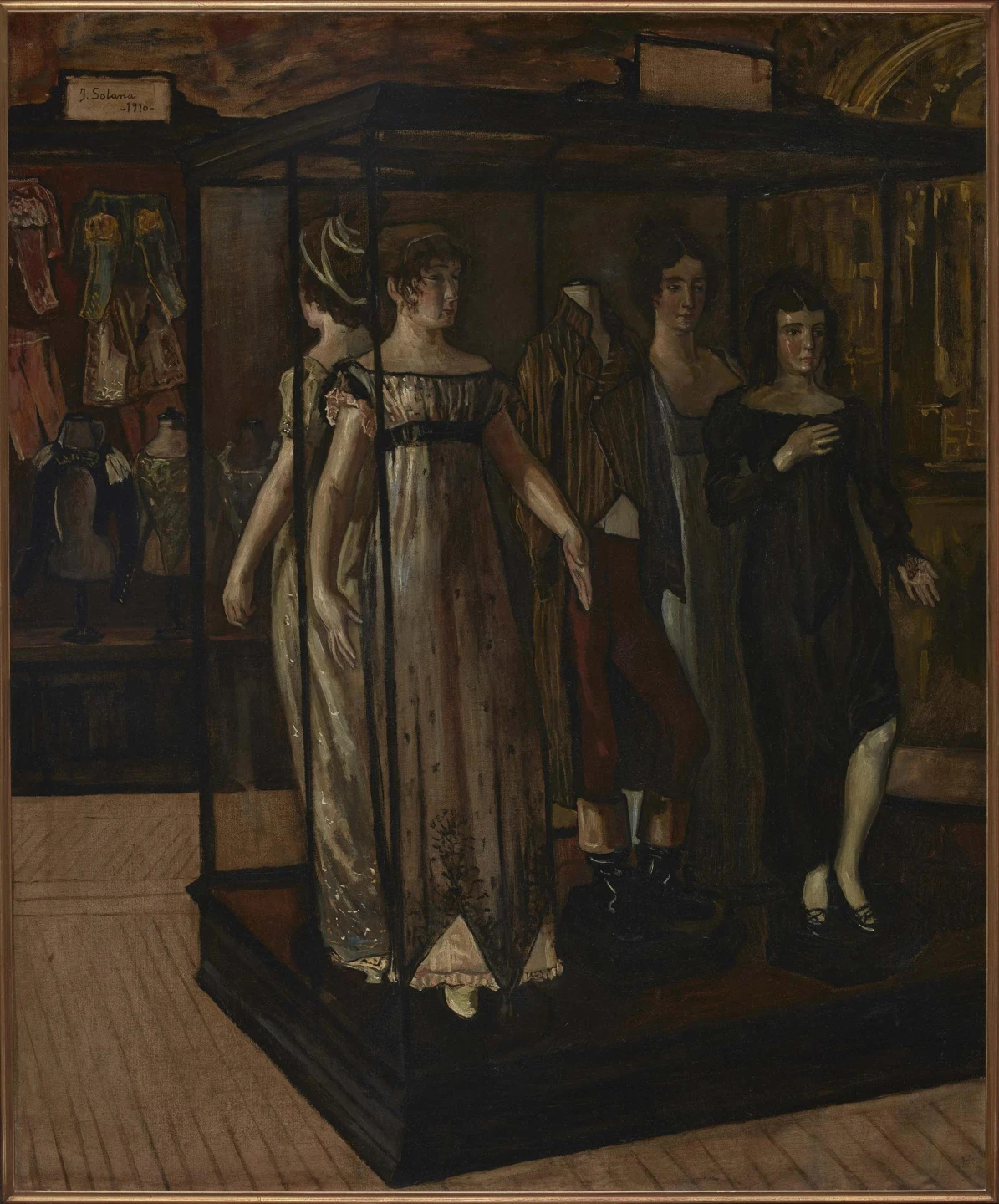
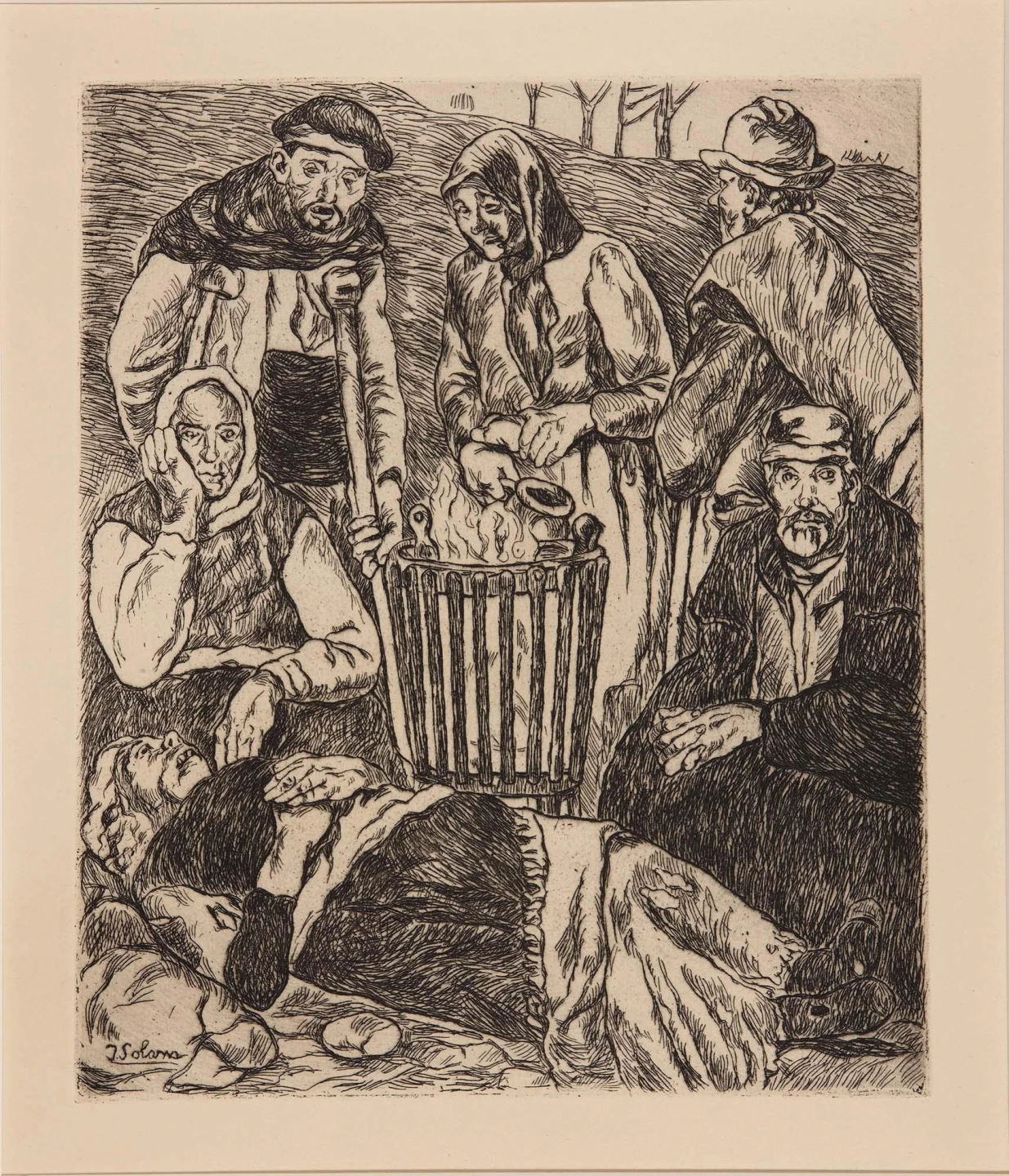
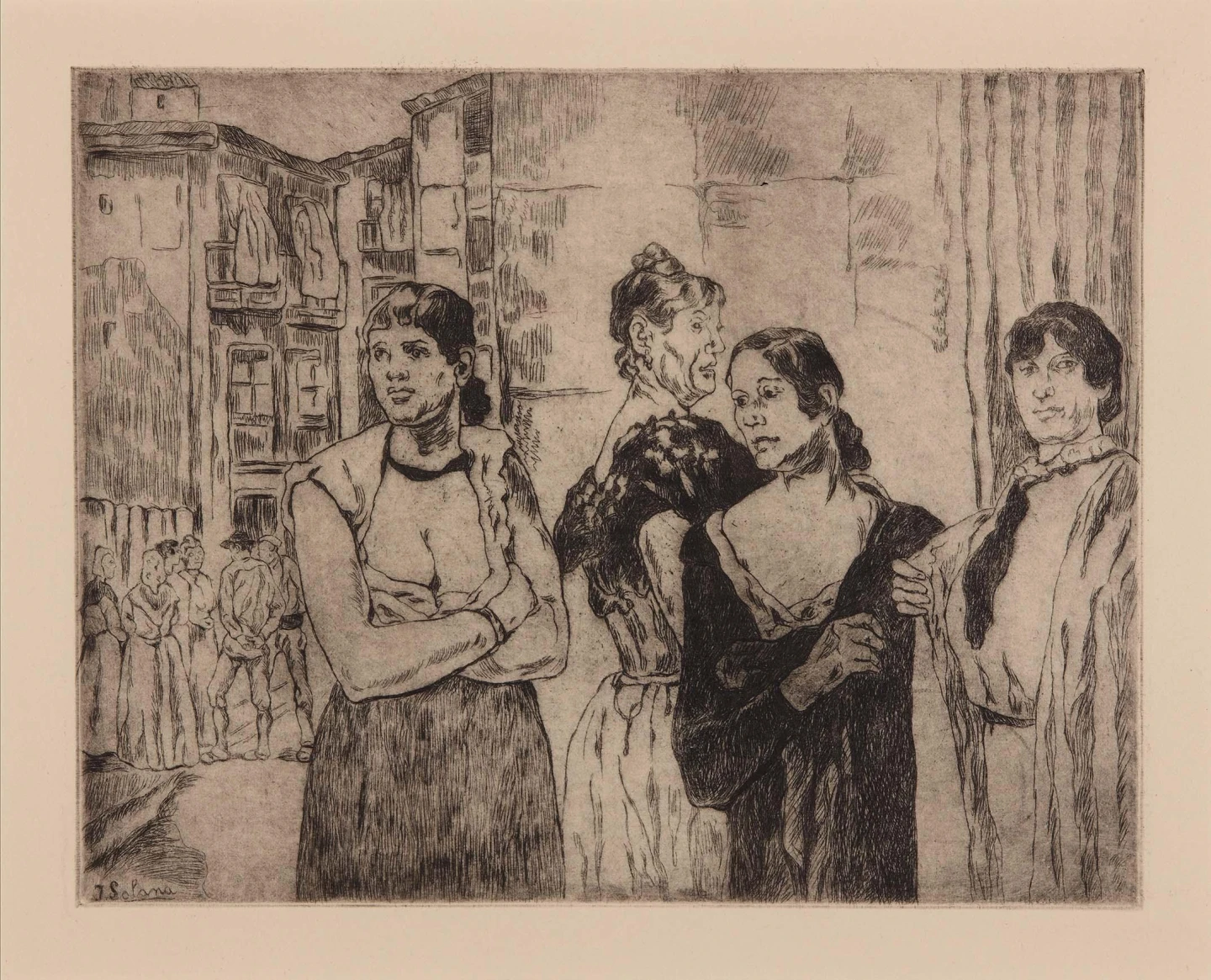
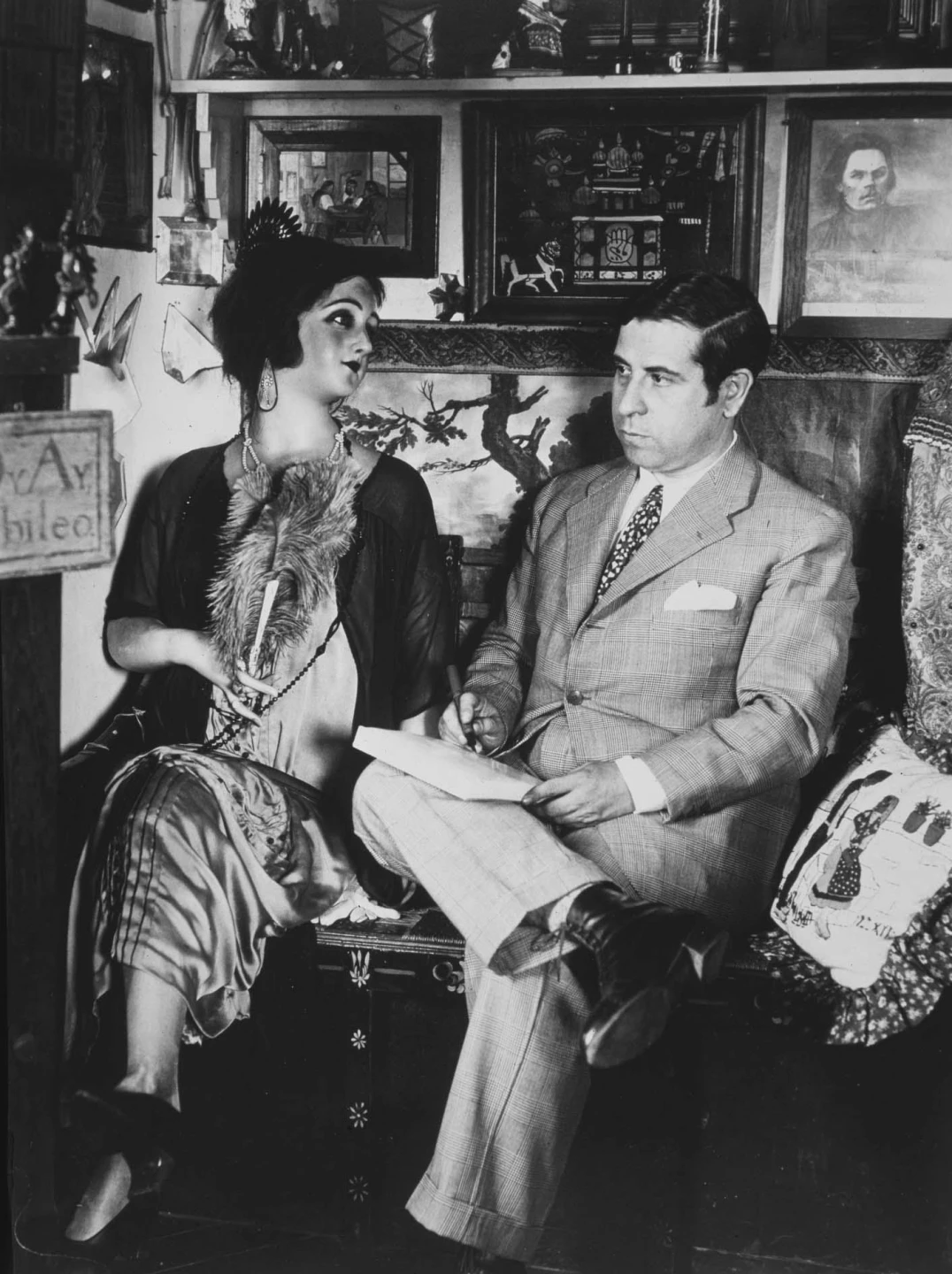
The sociability occasioned by the great modern cities was reflected in attendance at certain spectacles and in passing through urban spaces which were extraneous to bourgeois tastes, in addition to the rise of cafés, clubs and restaurants of a new “modern genre”, within which fervent exchanges of information and experiences took place. The city as space was the height of civilisation and Madrid would become a literary character. This was the backdrop for figures such as Ramón Gómez de la Serna, a hard-to-classify writer and initiator of intellectual gatherings, a performer, draughtsman, cultural agitator and the creator of genres such as the greguerías (witty aphorism), a disjointed compound of humour and metaphor. The aforementioned café reflected the “inner life of the city as city”, a “theatre of the word but also an arena of gazes”. As a type of voyeur, a flâneur, Spanish-style, Gómez de la Serna turned wandering into a dramatic and performative act, turning his attentions, like the painter José Gutiérrez Solana, towards evocative subject matter and places such as Madrid’s Rastro flea market, a space-collage of objects, people and geographies to which he dedicated numerous texts.
This room convenes these complex spaces of socialisation and isolation, spectacle and self-absorption, action and contemplation; places in which to see and be seen, often marginal spaces which, alongside the academia, the athenaeum, the salon or the gallery are stages on which modern art is not only displayed but also formed.
14 artworks




Room 201.02
Holy Bohemia. Paris was a party
Room 201.04
José Ortiz Echagüe