Room 205.10
Guernica
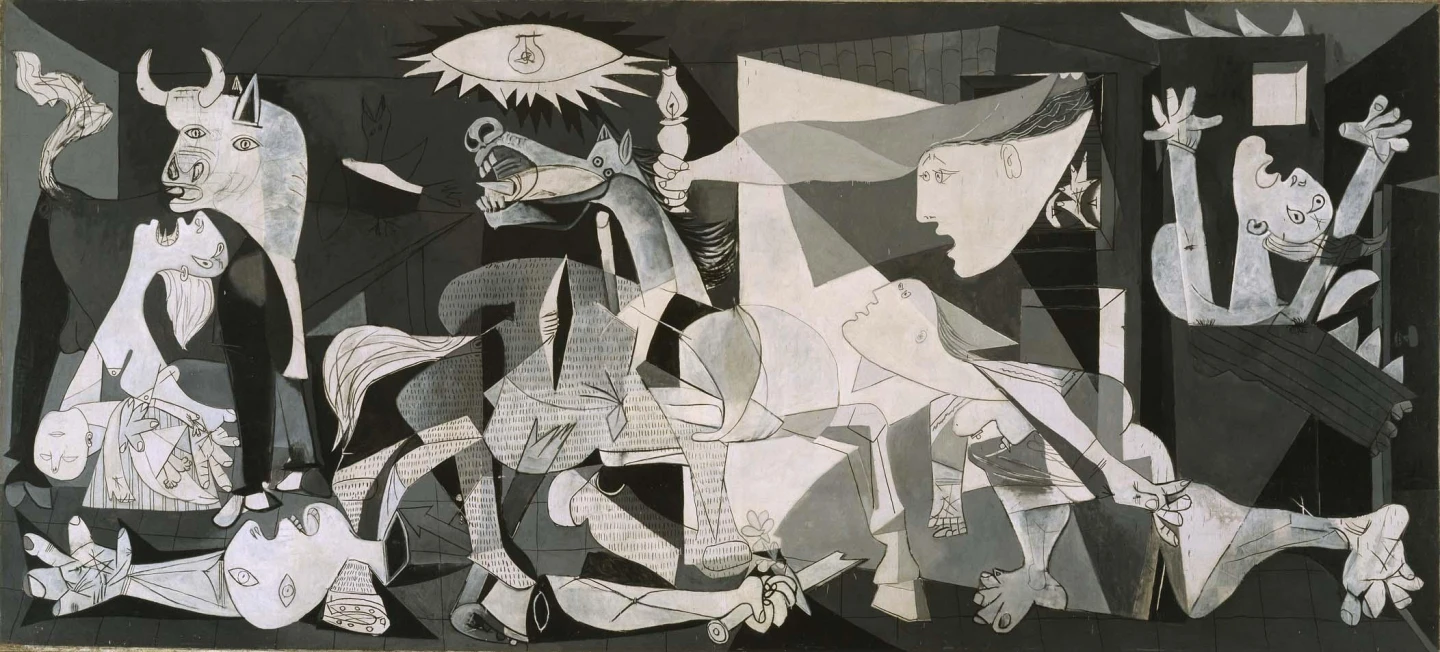
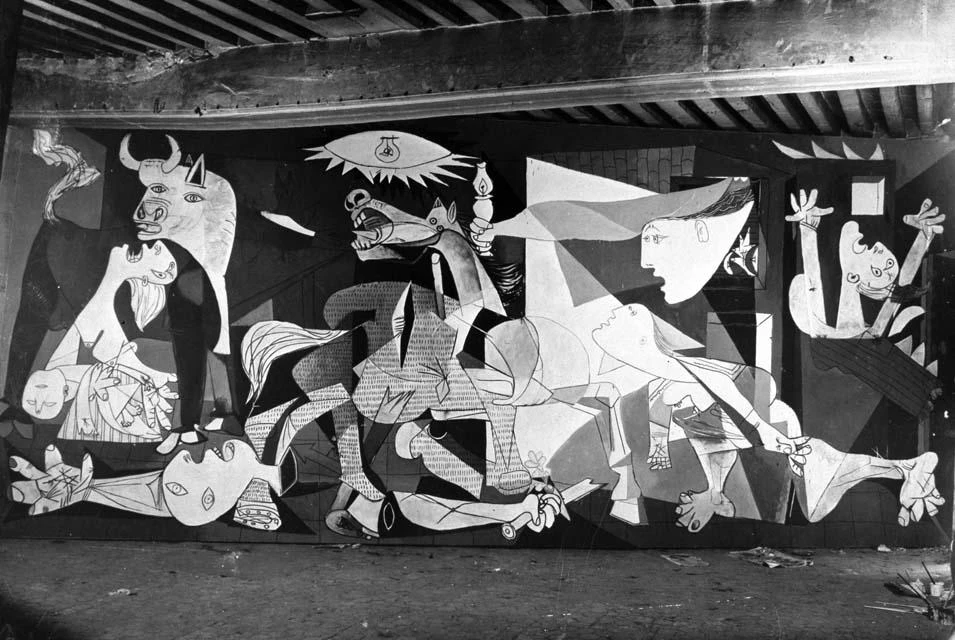
At the start of 1937, Picasso received, via Josep Renau, a commission from the legitimate government of the Republic to create a large-scale work for the Spanish Pavilion at the International Exposition of Paris, to be held that summer. Initially, the artist had toyed with the idea of making an allegory of painting, represented by the theme of painter and model. However, on 26 April 1937 Germany’s devastating bombing of the Basque town of Gernika, which came to Picasso’s attention via the dramatic photographs that appeared in the newspaper L'Humanité, inspired him to create an entirely different work.
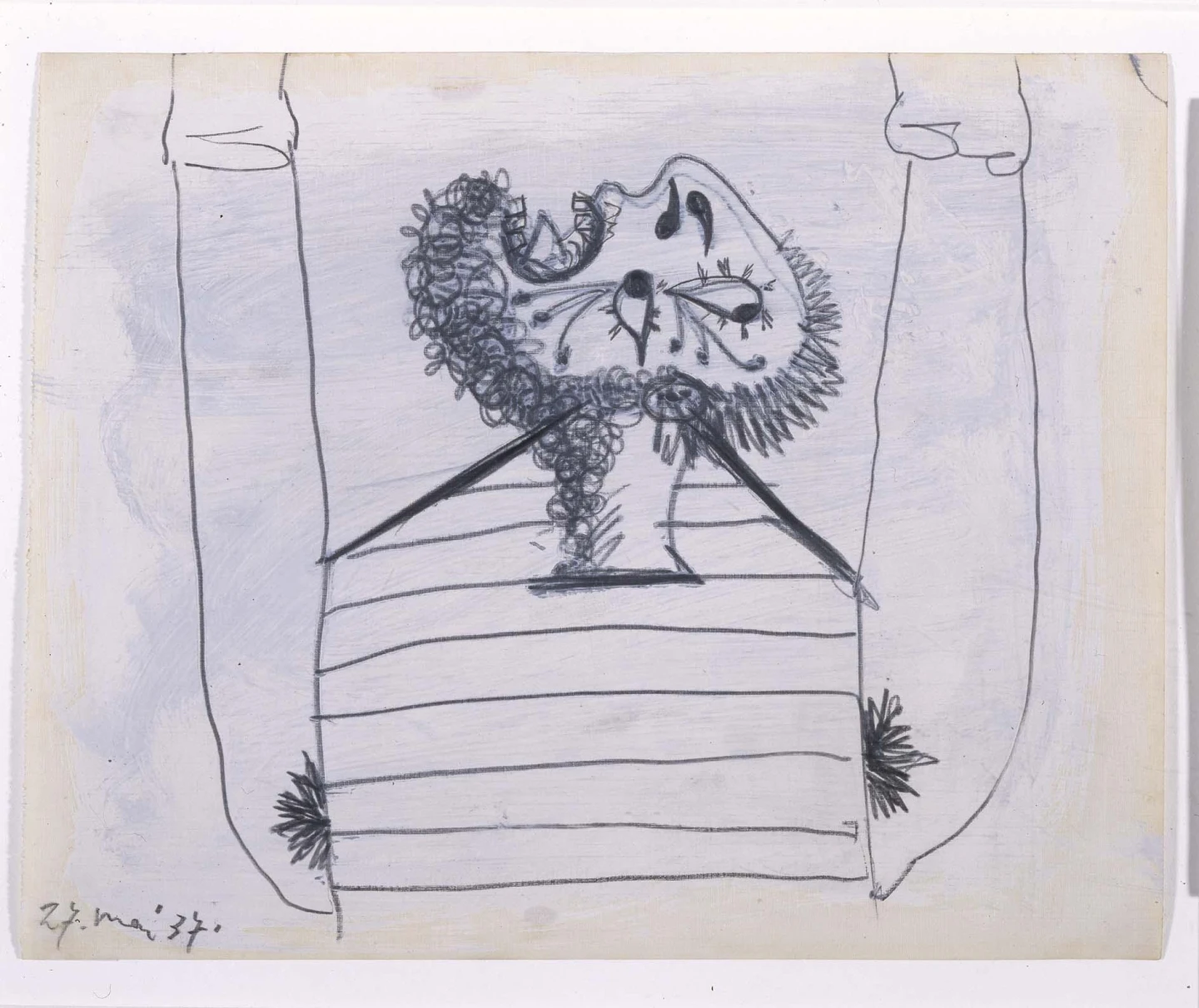
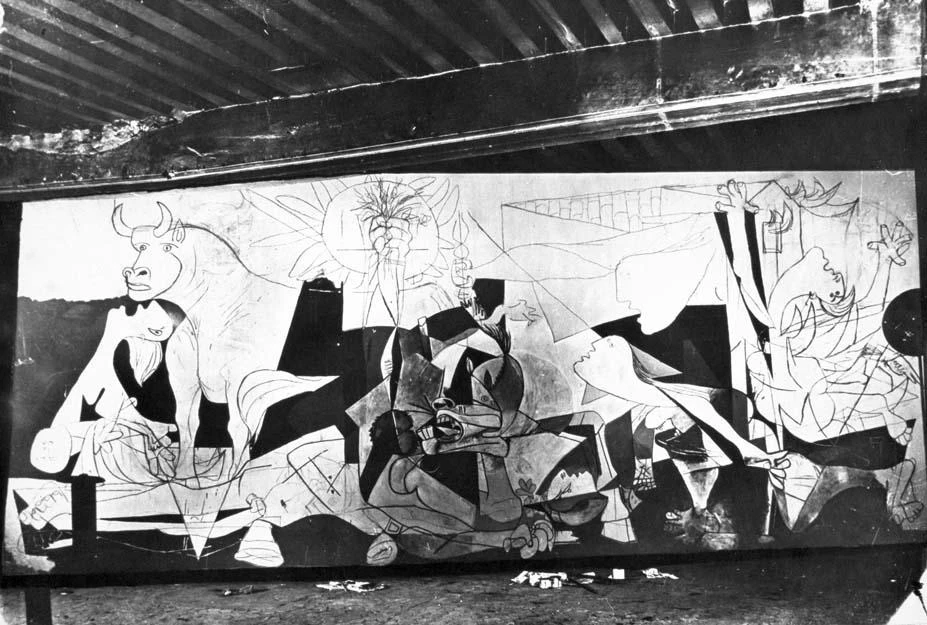
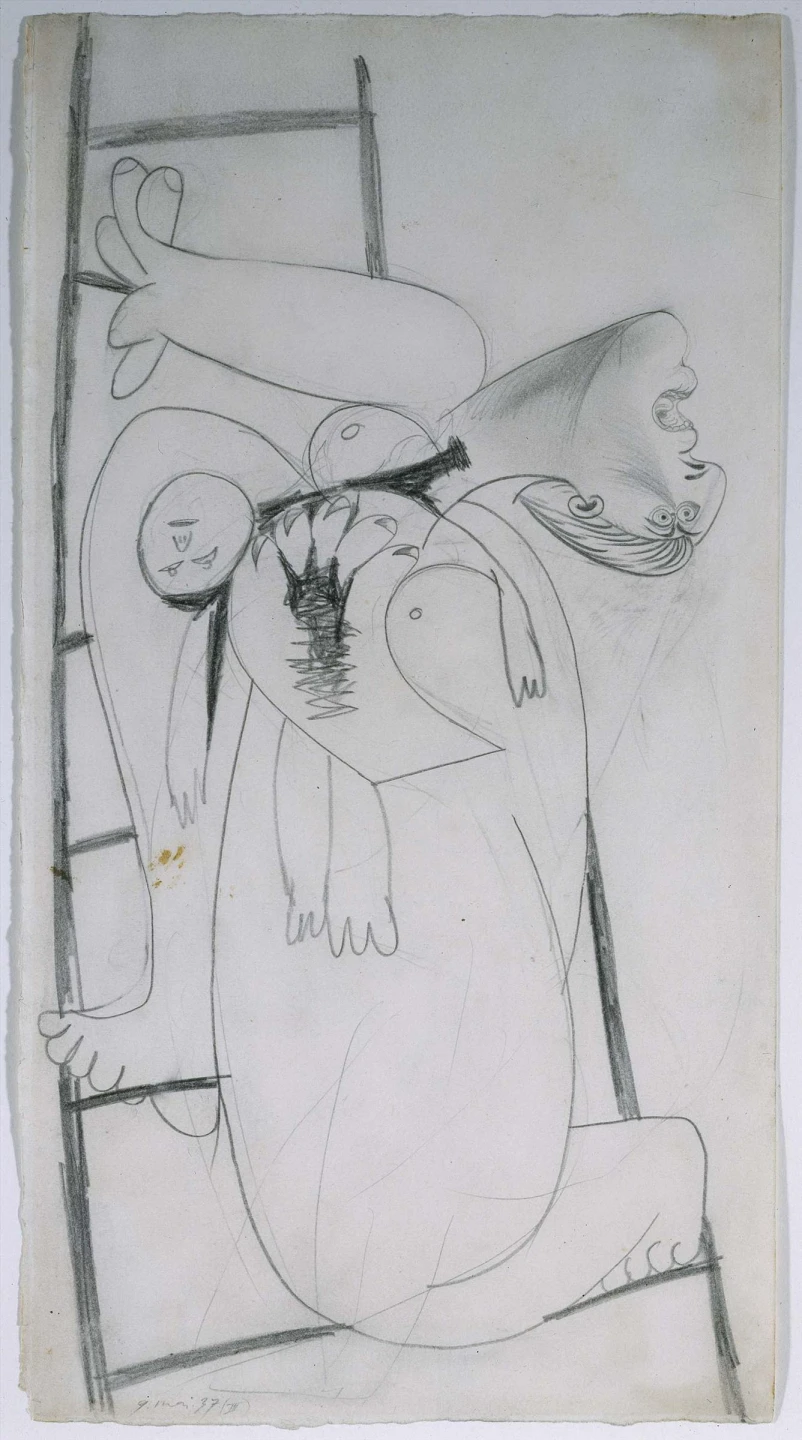
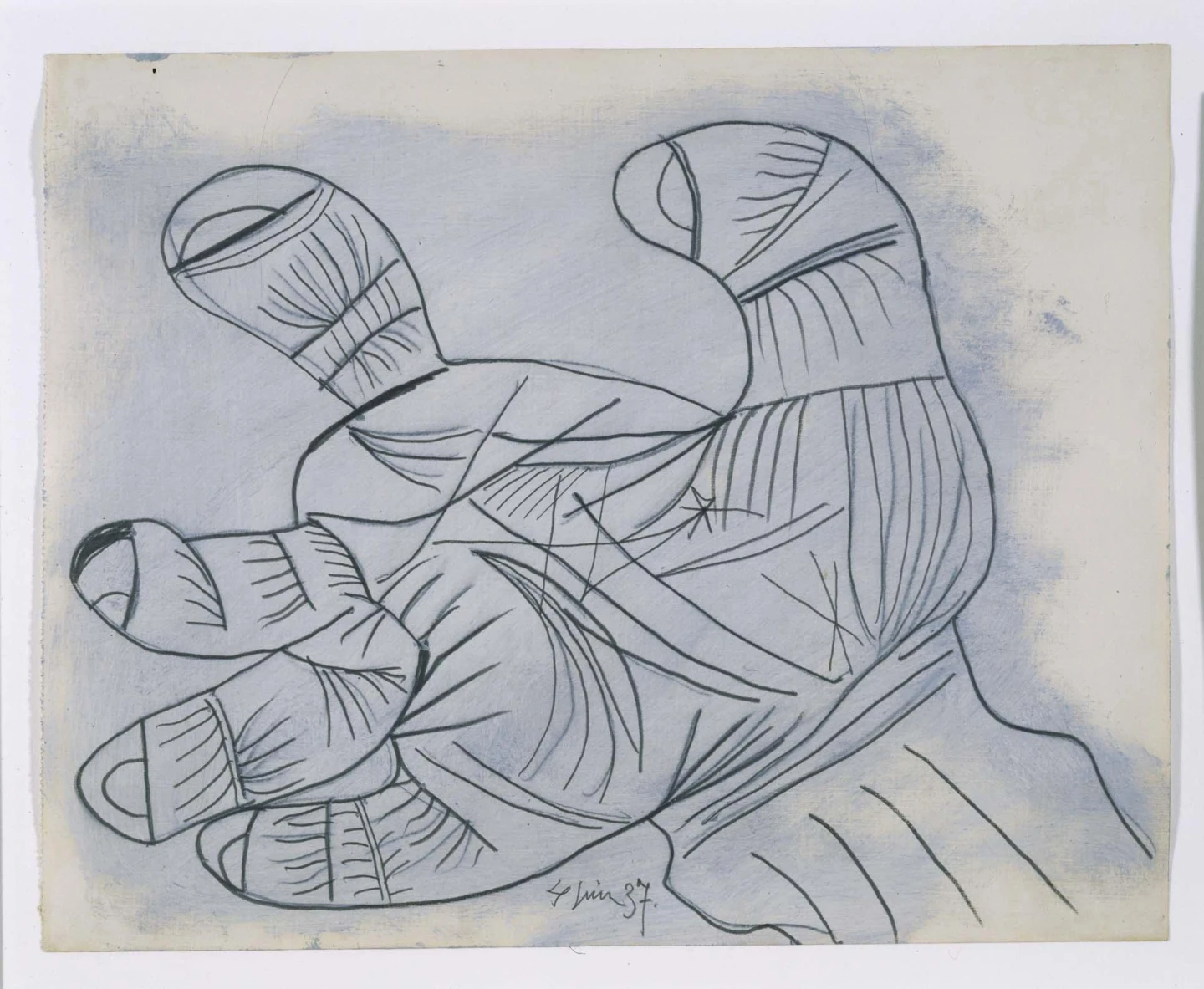
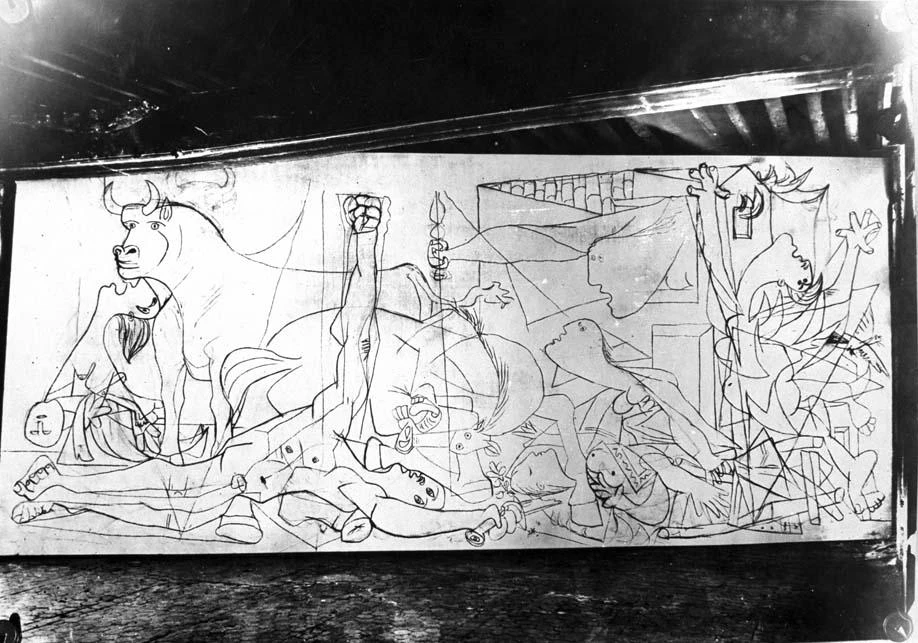
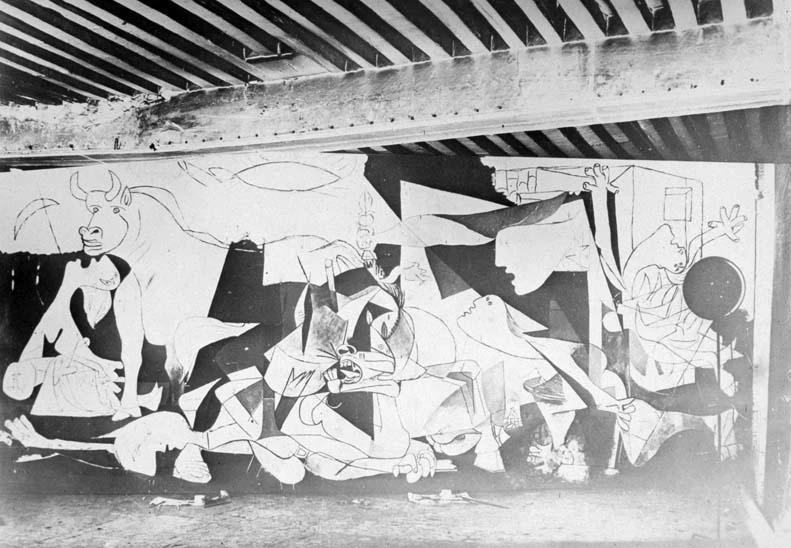
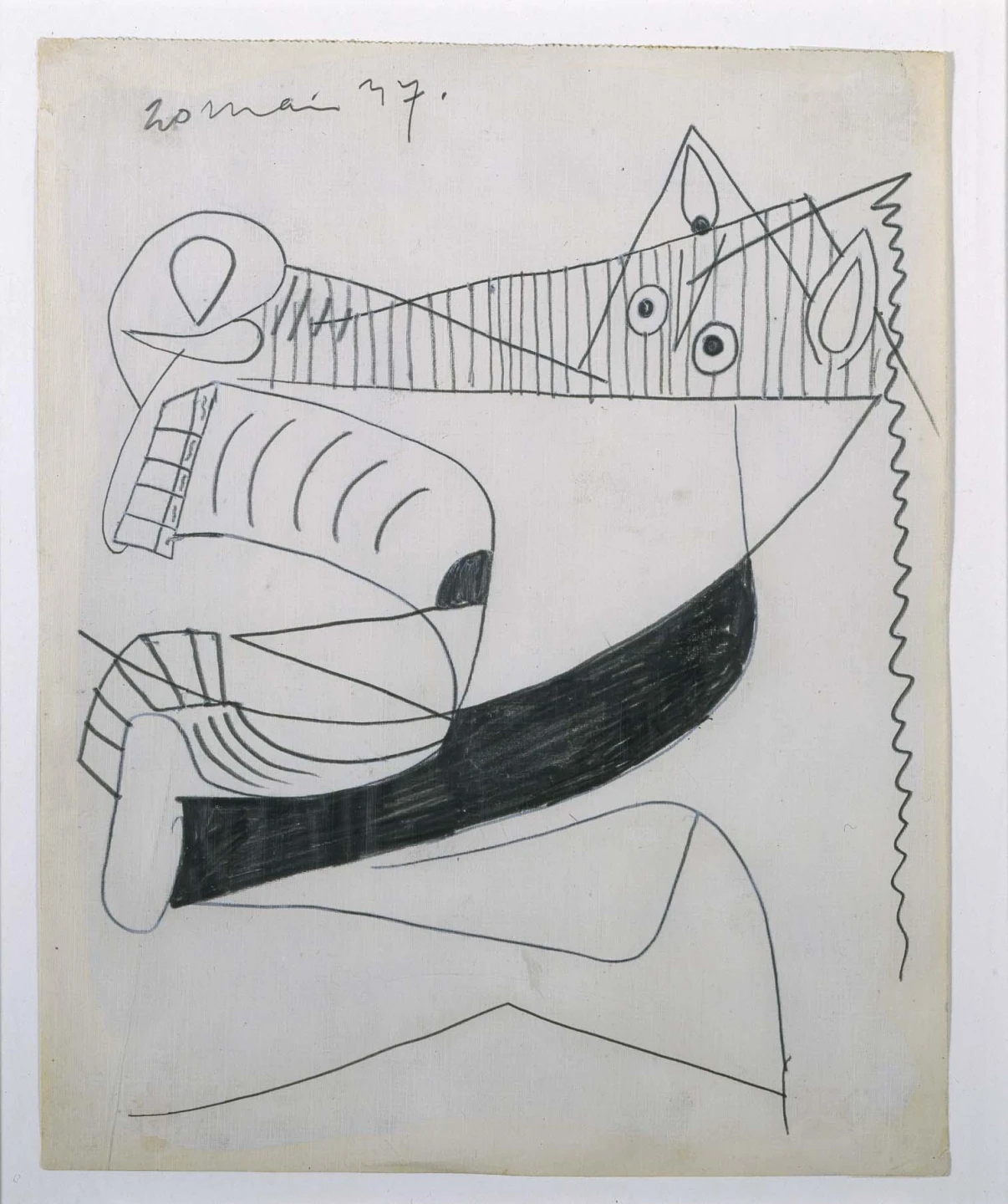
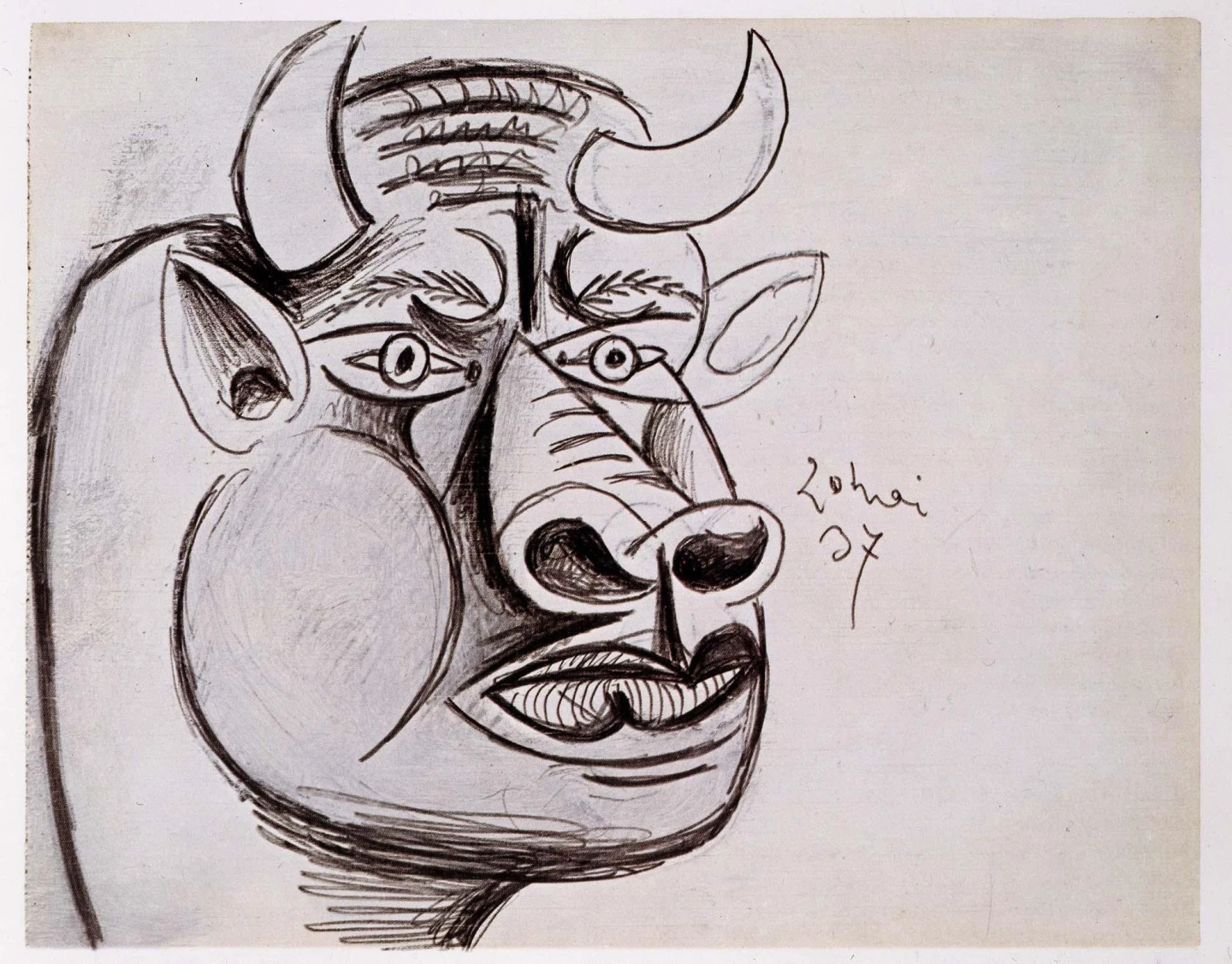
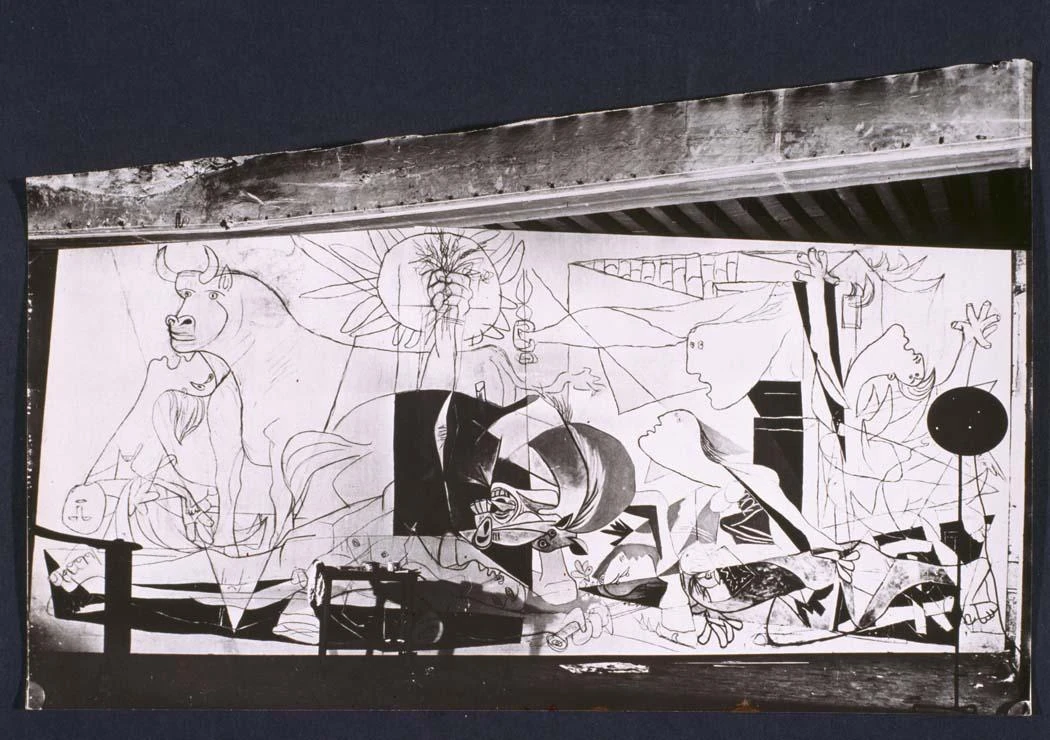
In little under six weeks, he produced close to fifty sketches and preliminary works, in addition to making different corrections to his large picture. Guernica was conceived as a mural integrated into the architecture and in relation to the other works displayed in the Pavilion, the narrative of which took the form of a war report. The work was hung on the ground floor, in a space chosen by Picasso and which, like Guernica, straddled bourgeois interior and public exterior.
It is a complex, late-Cubist and Surrealist painting that is also interwoven in Western pictorial tradition. Its pyramidal structure is commonplace in history painting, and it borrows from and includes influences from past masters such as Rubens, Delacroix, David and Goya, among others, as well as Picasso’s own work — for instance, different elements from the painting appear in Minotauromaquia (Minotauromachy), an etching made in 1935. The landscape format and the use of grisaille are a reference to film and press photography and serve to punctuate its dramatic nature. With Guernica Picasso transcends a set theme by way of a language of symbols (the horse, the bull, the woman with dead child) to turn historical fact into a universal message.
Before being converted into a museum, the building which today is home to the Museo Reina Sofía was one of Madrid’s major hospitals. In the aftermath of the coup d’état of 18 July 1936, the former Hospital Provincial became the Hospital Clínico Número 4 and was managed by the Spanish Republic’s Ministry of War — during the three-year fascist siege in the Spanish Civil War, more than 30,000 people injured in the bombings and clashes fought in defence of democratic institutions were treated there. Paradoxically, during the war the room in which Guernica currently hangs was the place where those who survived the aerial attacks by the Condor Legion, the same Nazi air force that bombed the Basque town, were tended to and nursed back to health. Thus, Guernica serves at once as a reminder of the horrors of this attack and, in this location, resonates as testimony to this historical event experienced first-hand by the city of Madrid.
13 artworks



Room 205.09
The International Exposition of 1937: Architecture, Art and Propaganda
Room 205.11
The Spanish Night. Flamenco, Avant-garde and Popular Culture