Room 206.01
Dalí, Underwater Landscapes
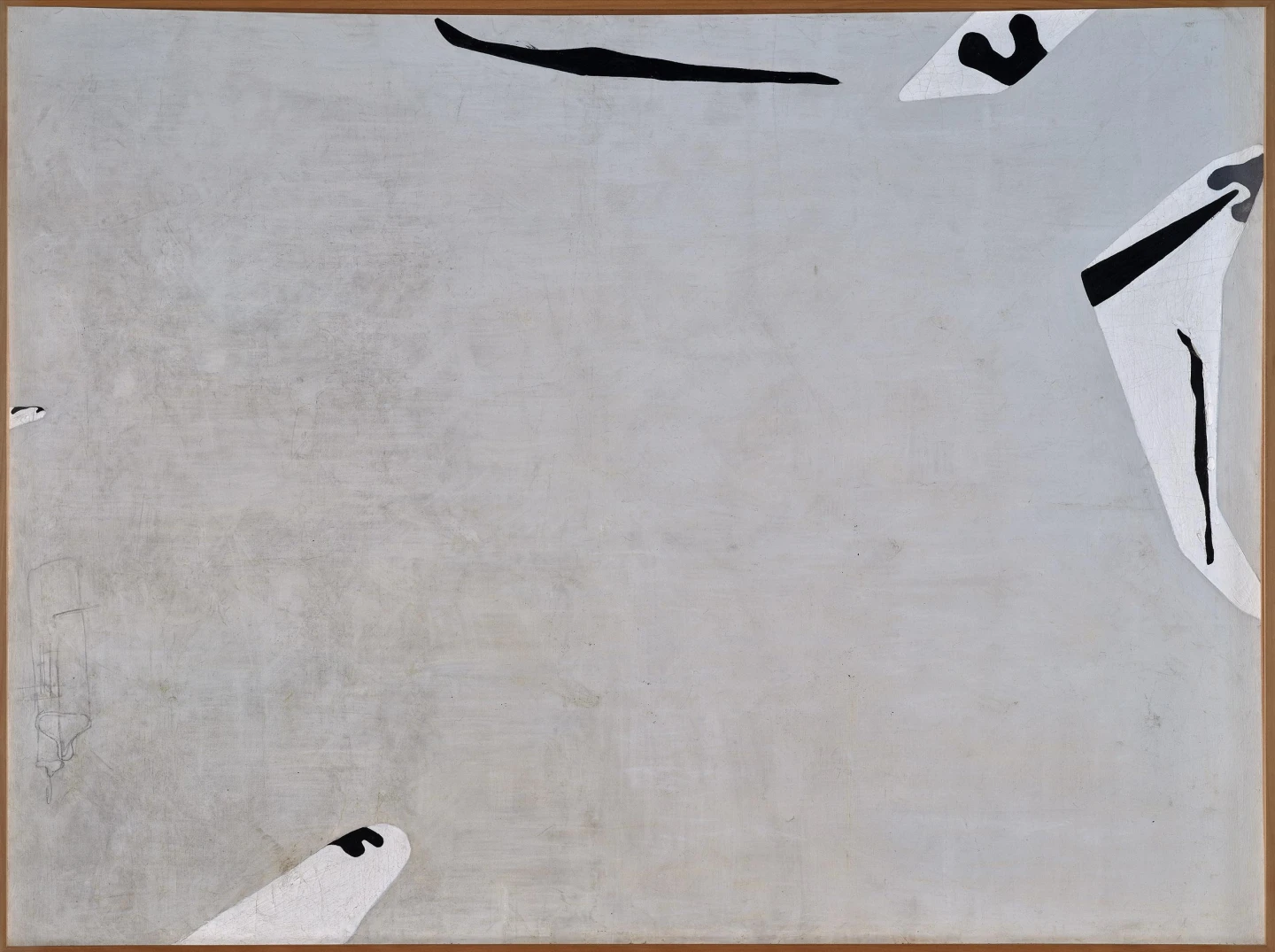
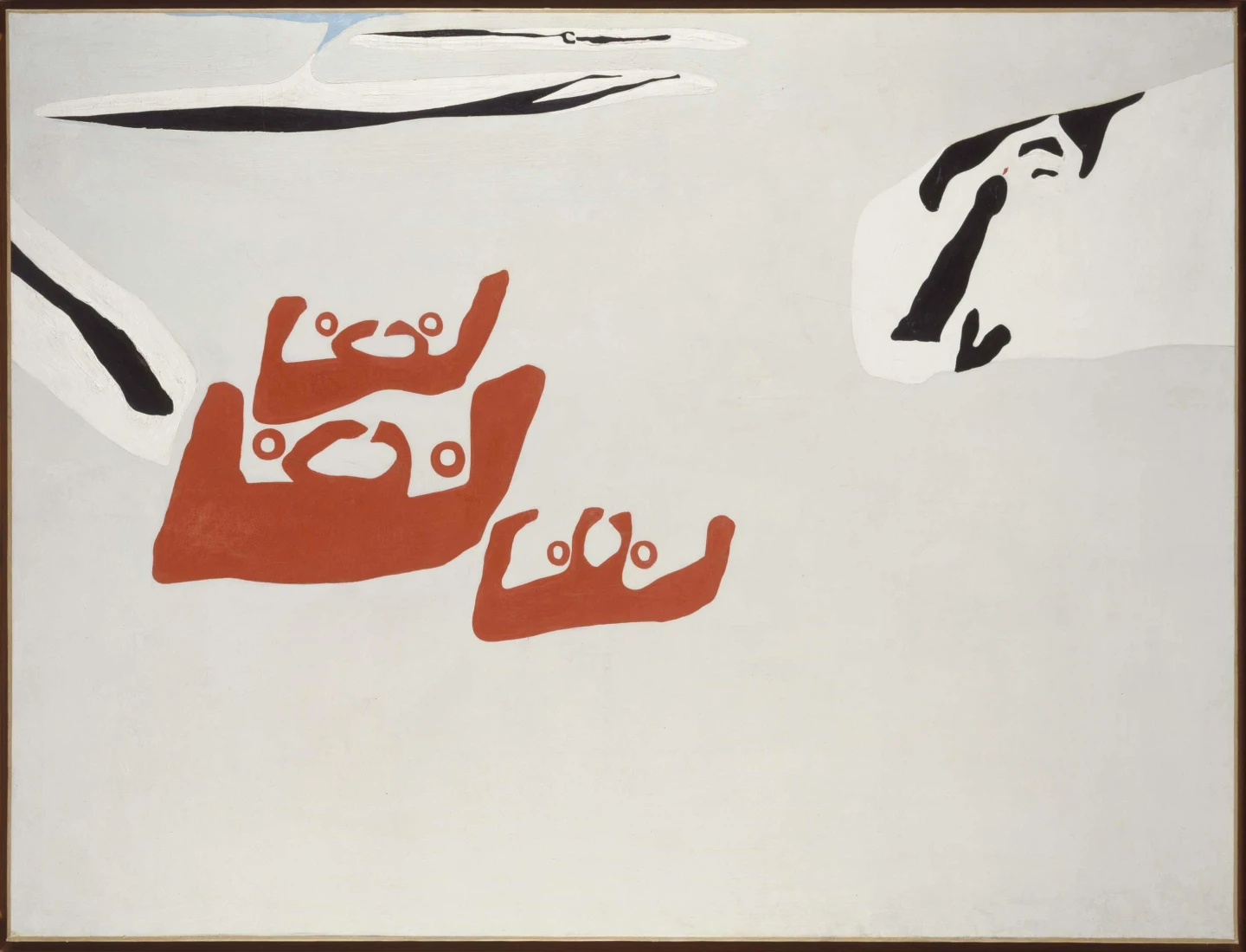
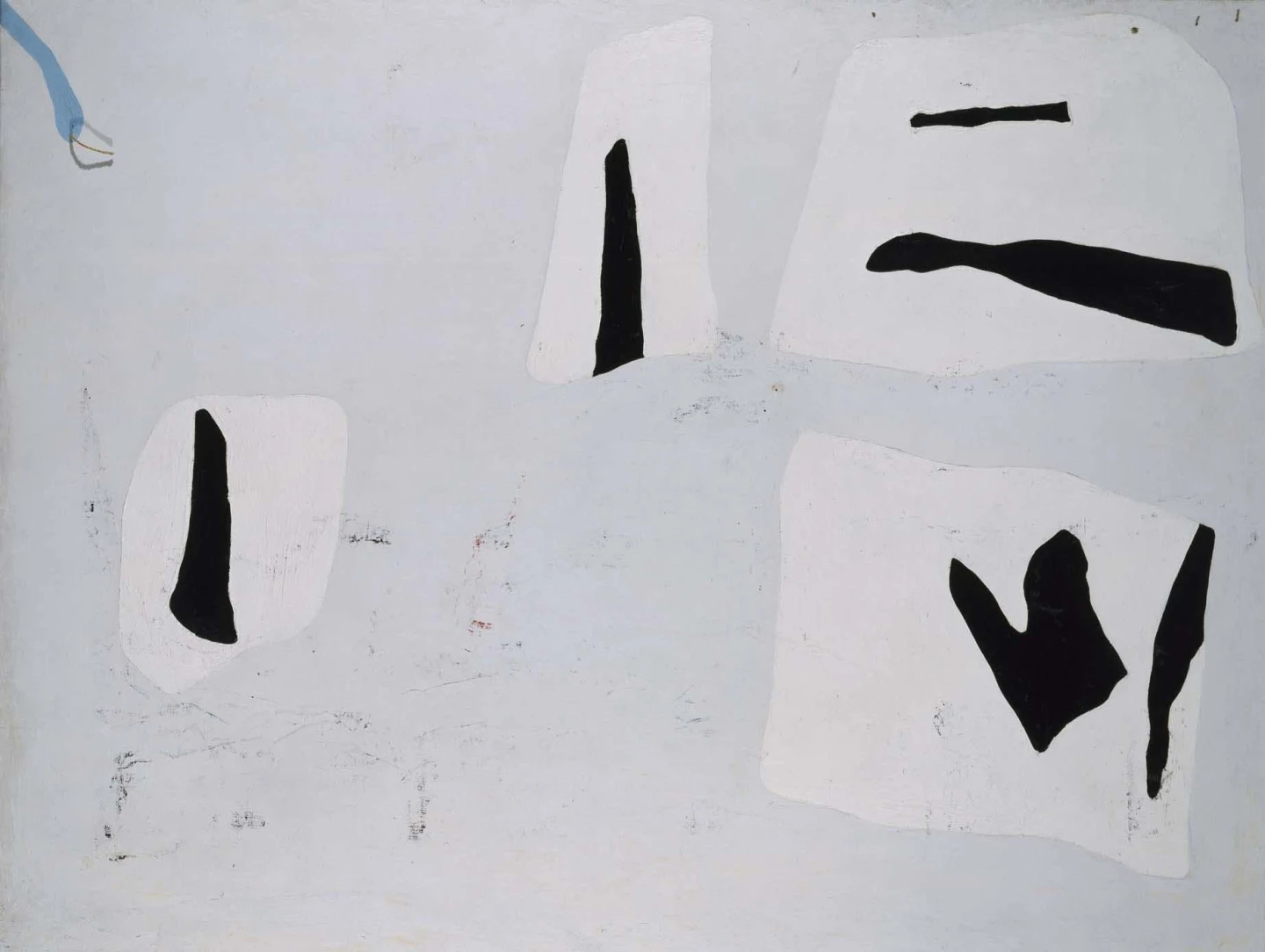
The work of Jean Arp and Joan Miró would provide the inspiration for Salvador Dalí to produce a series of ultra-abstract pieces, as he himself called them. Only one of these works bears a title, Cuatro mujeres de pescadores en Cadaqués (Four Fishermen’s Wives in Cadaqués), a variation on the traditional theme of “figures on the beach” that he had been exploring at that time, but which he bestowed with more explicit erotic connotations. One of these variations, Baigneuses (Bathers), appears with other Dalí works in issue four of the Documents magazine. Despite his associations with the Surrealist group of André Breton, Dalí was greatly admired by Georges Bataille, who saw in his work a violent and erotic impulse, before which he felt the need to “squeal like a pig”.
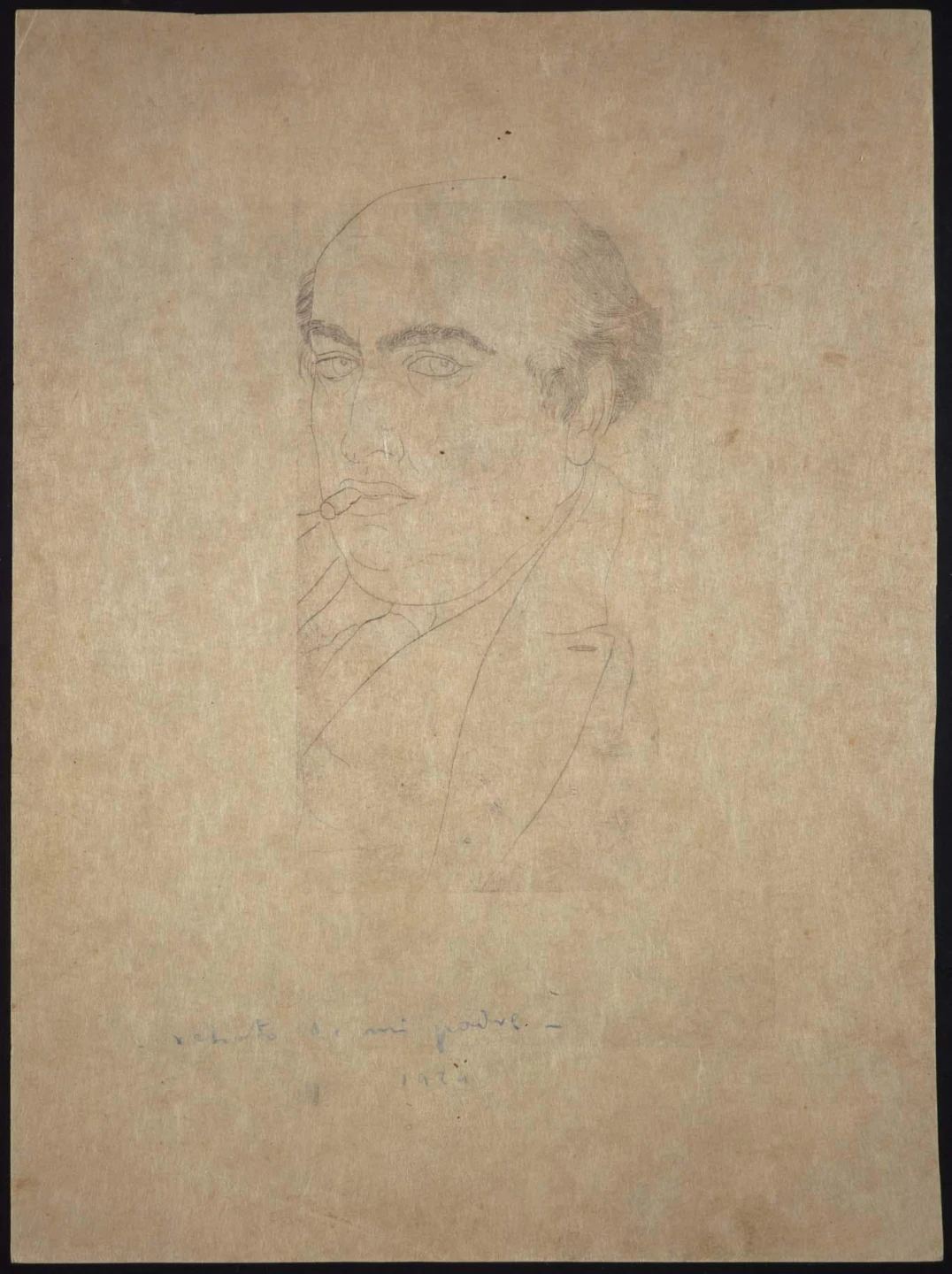
Less explicit yet equally laden with sexual symbolism are the sea urchins (garotes in Catalan), a motif running through many of Dalí’s works, resembling buttocks with orifices and with a patently eschatological quality. In 1930, they would become the central motif in a short film made by Luis Buñuel called Menjant garotes (Eating Sea Urchins, 1930), featuring Salvador Dalí’s father and his second wife, Catalina Doménech, as the protagonists. The previous year, Buñuel had accompanied Dalí to his family home in Figueres to work on the script for his next film L’âge d’or (Golden Age). While there, the film-maker witnessed a heated argument between Dalí and his father which would result in the artist being disinherited and banished from Cadaqués.
Buñuel more than likely put forward the idea of recording this “home movie” with the intention of ingratiating himself with Dalí’s father. Despite its banal appearance, the film can be read in different ways: on one side, ethnographically, with its ritual representation of tradition, social class and privilege, and, on the other, psychoanalytically, with the suggestion that when Dalí’s father gulps down the sea urchins at the end of the film he is symbolically devouring his son.
4 artworks

Room 205.17
Culture’s Proletarians. La Barraca and the Pedagogical Missions
Room 206.02
Documents Magazine