Room 205.06
Realism and Superrealism in New Art
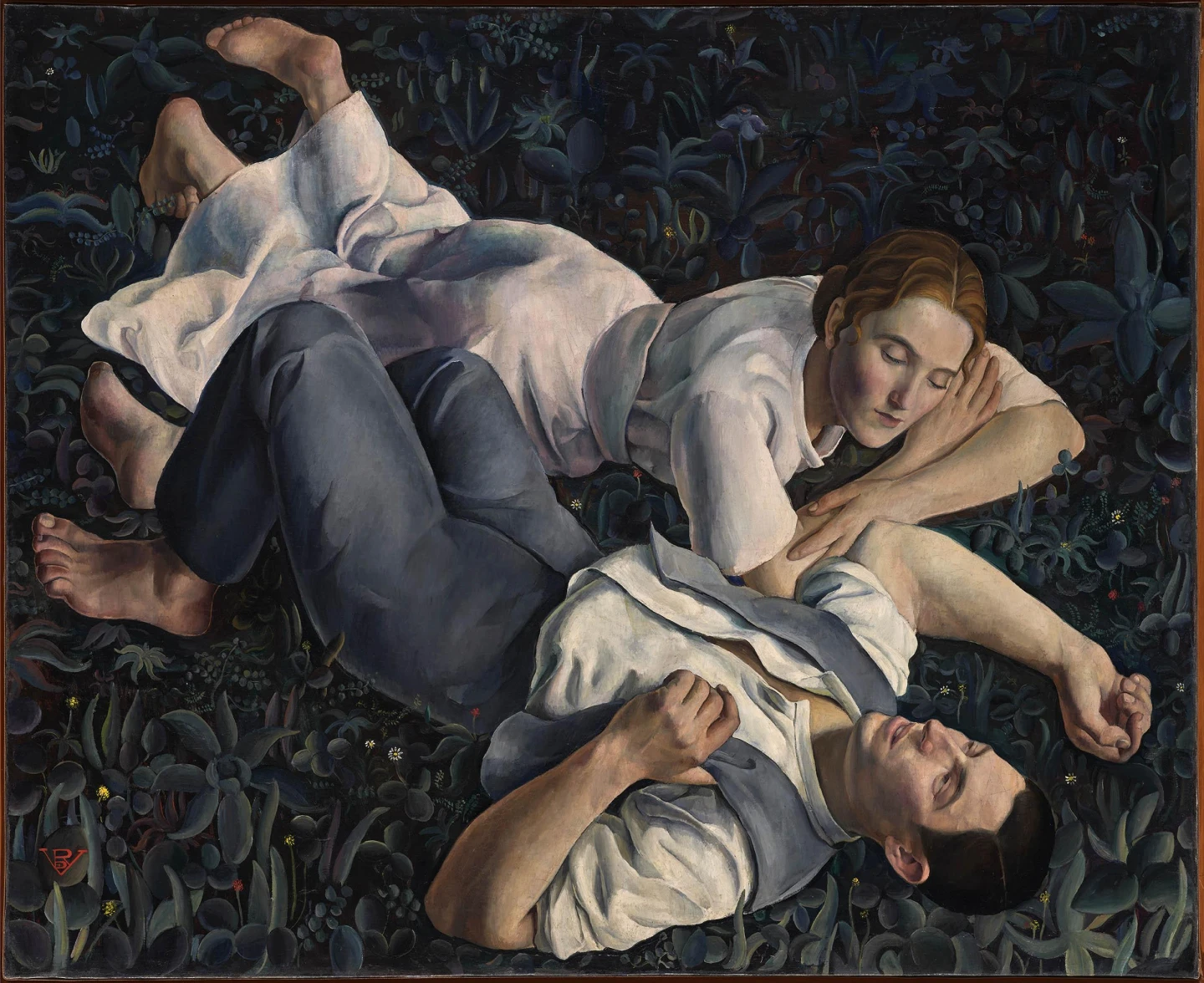
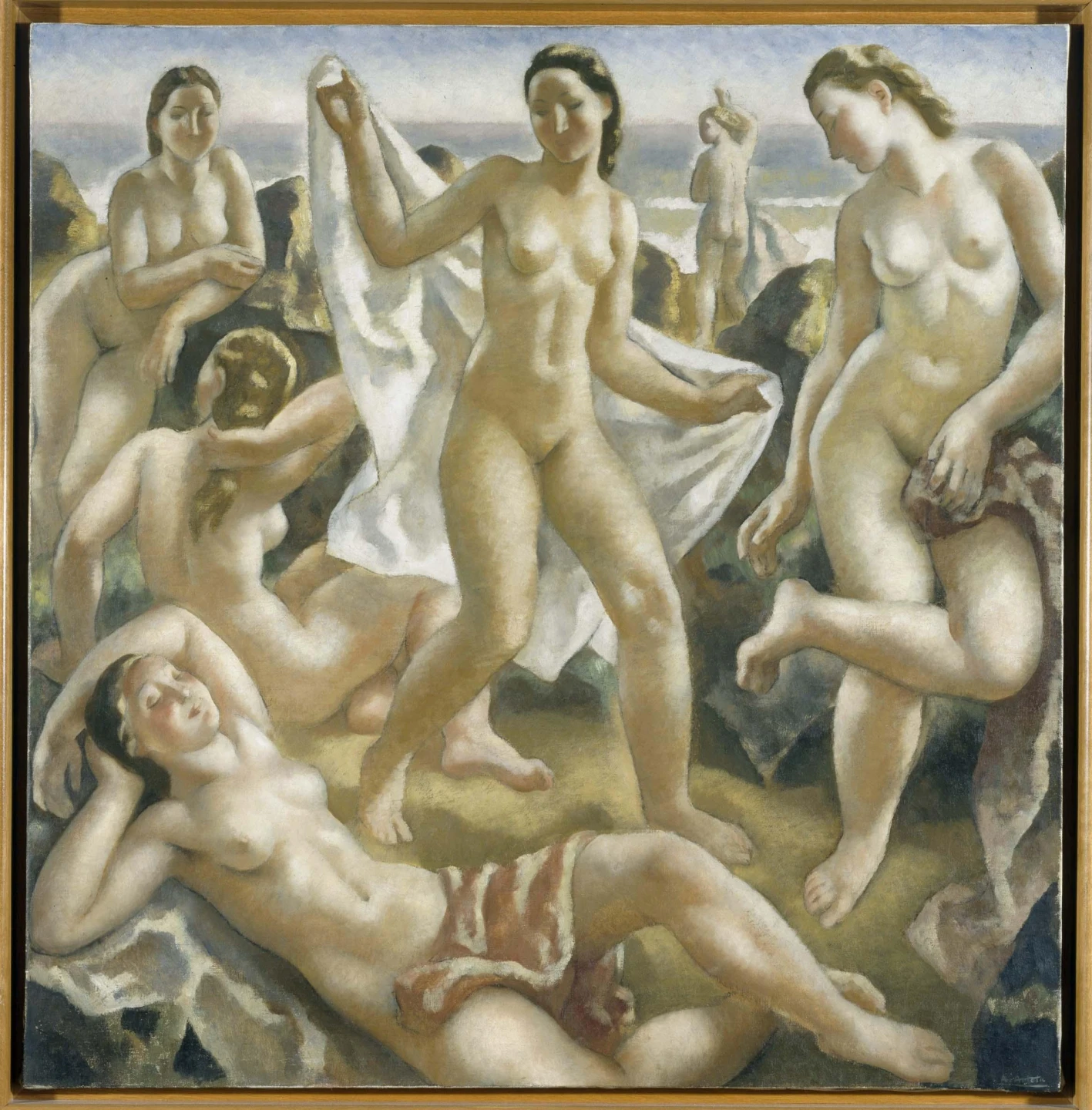
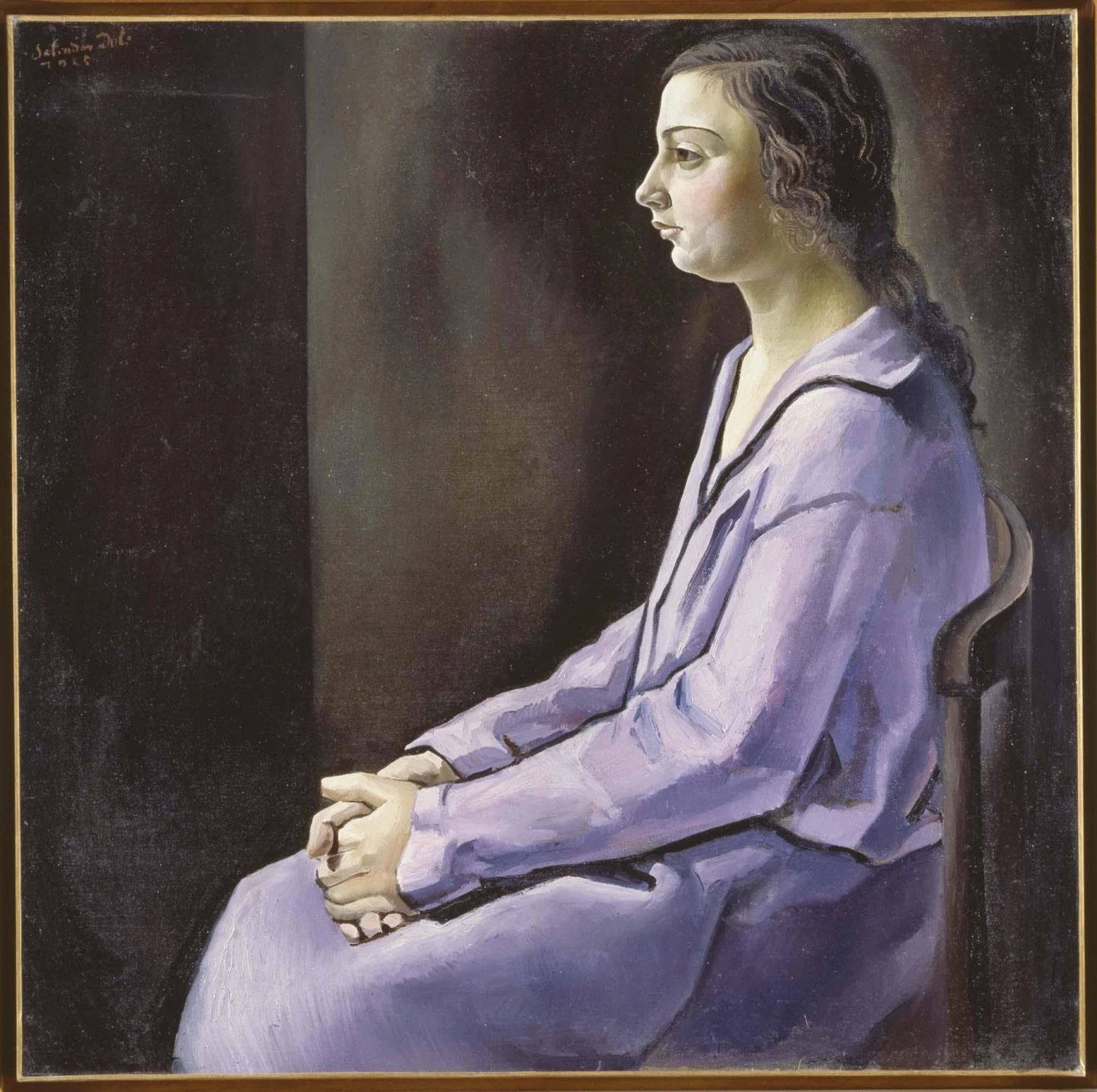
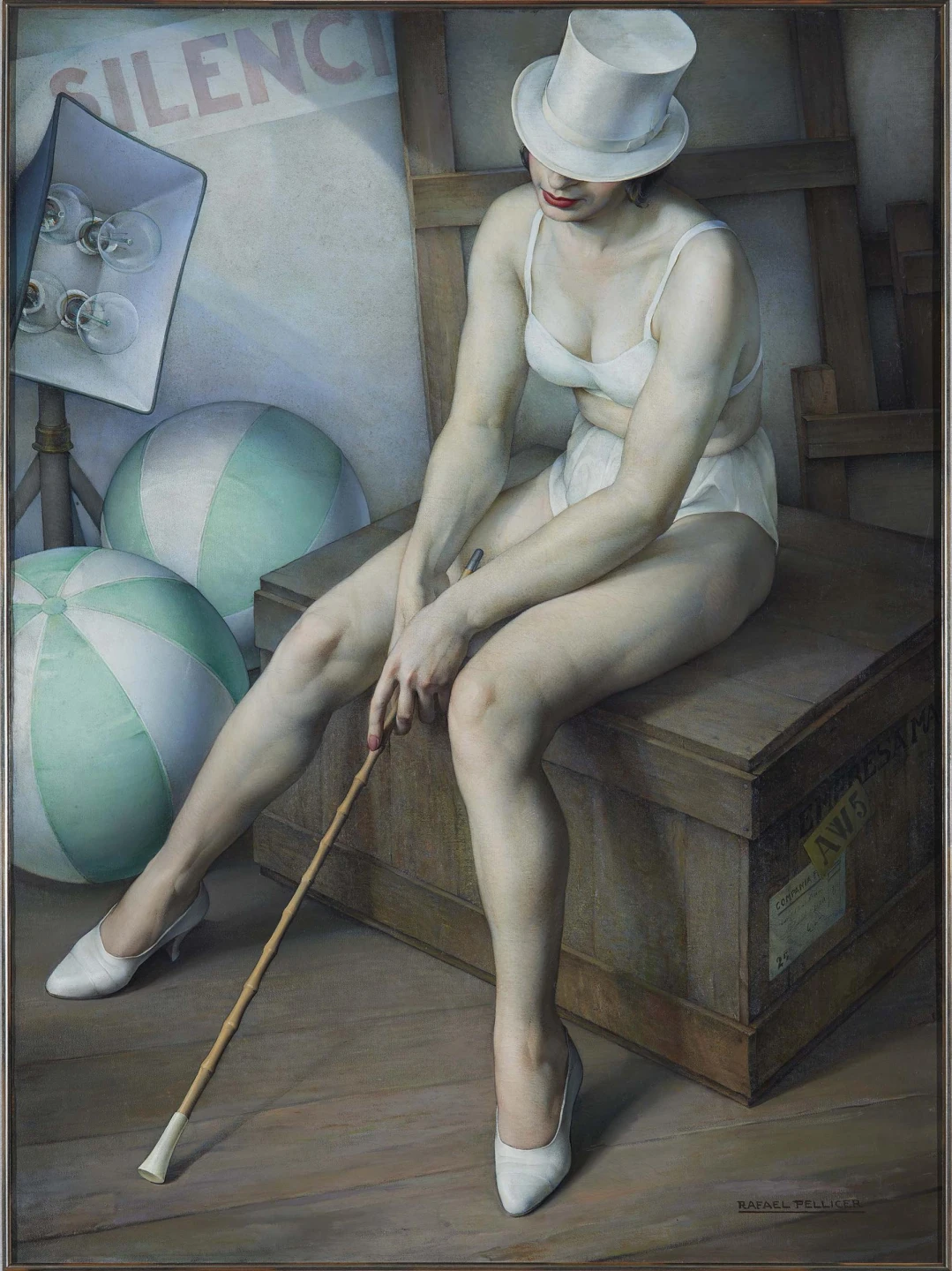
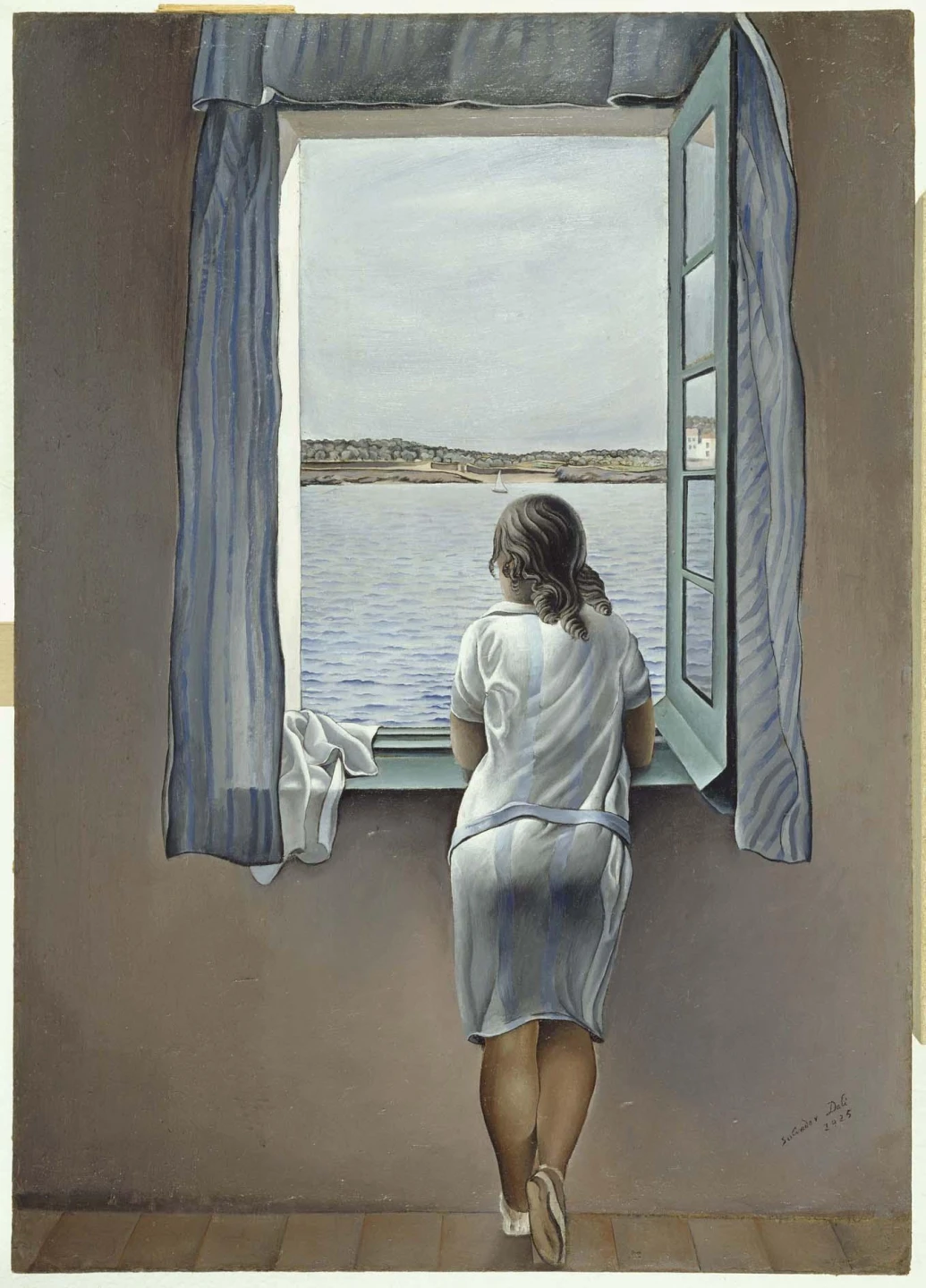
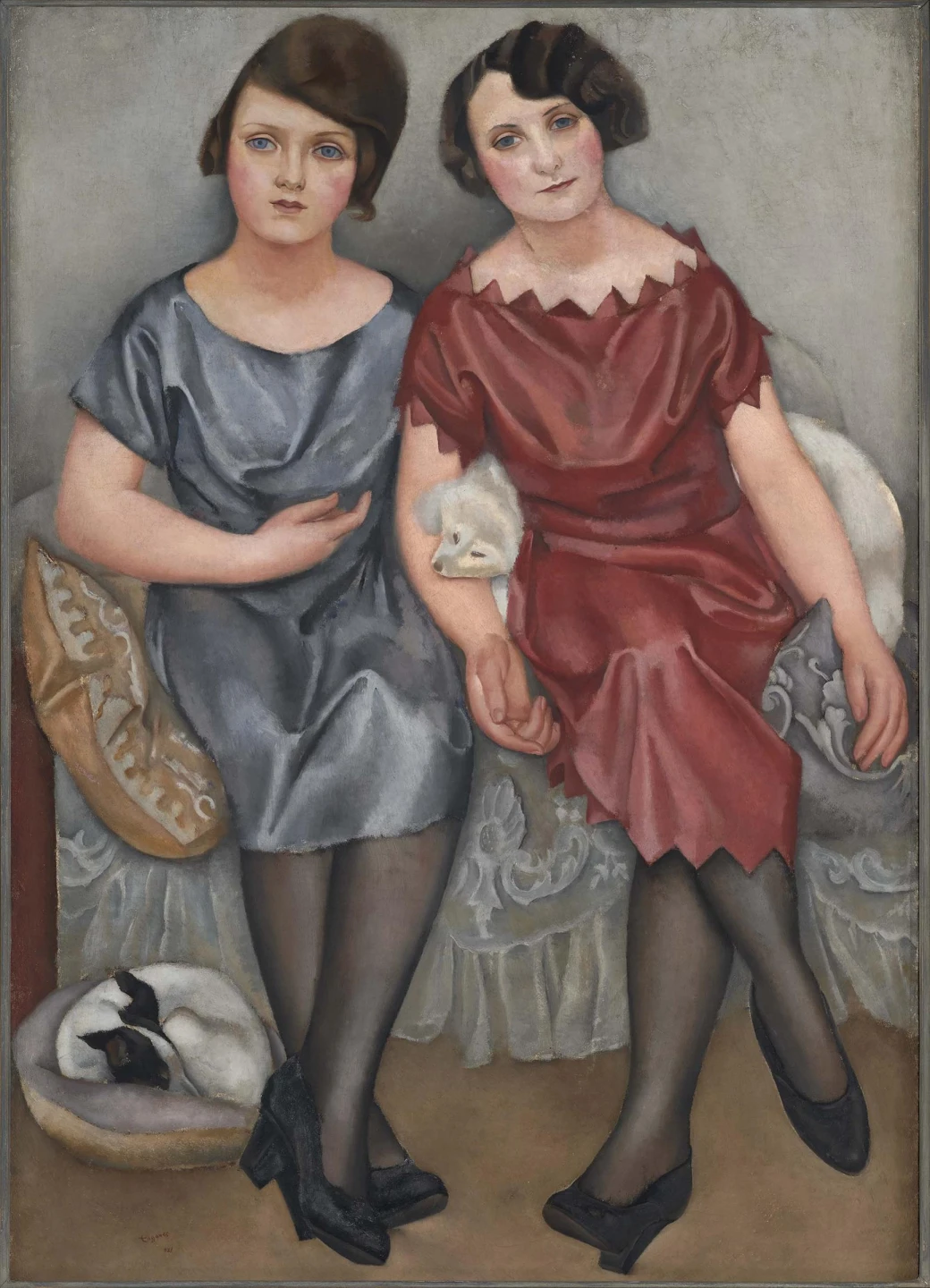
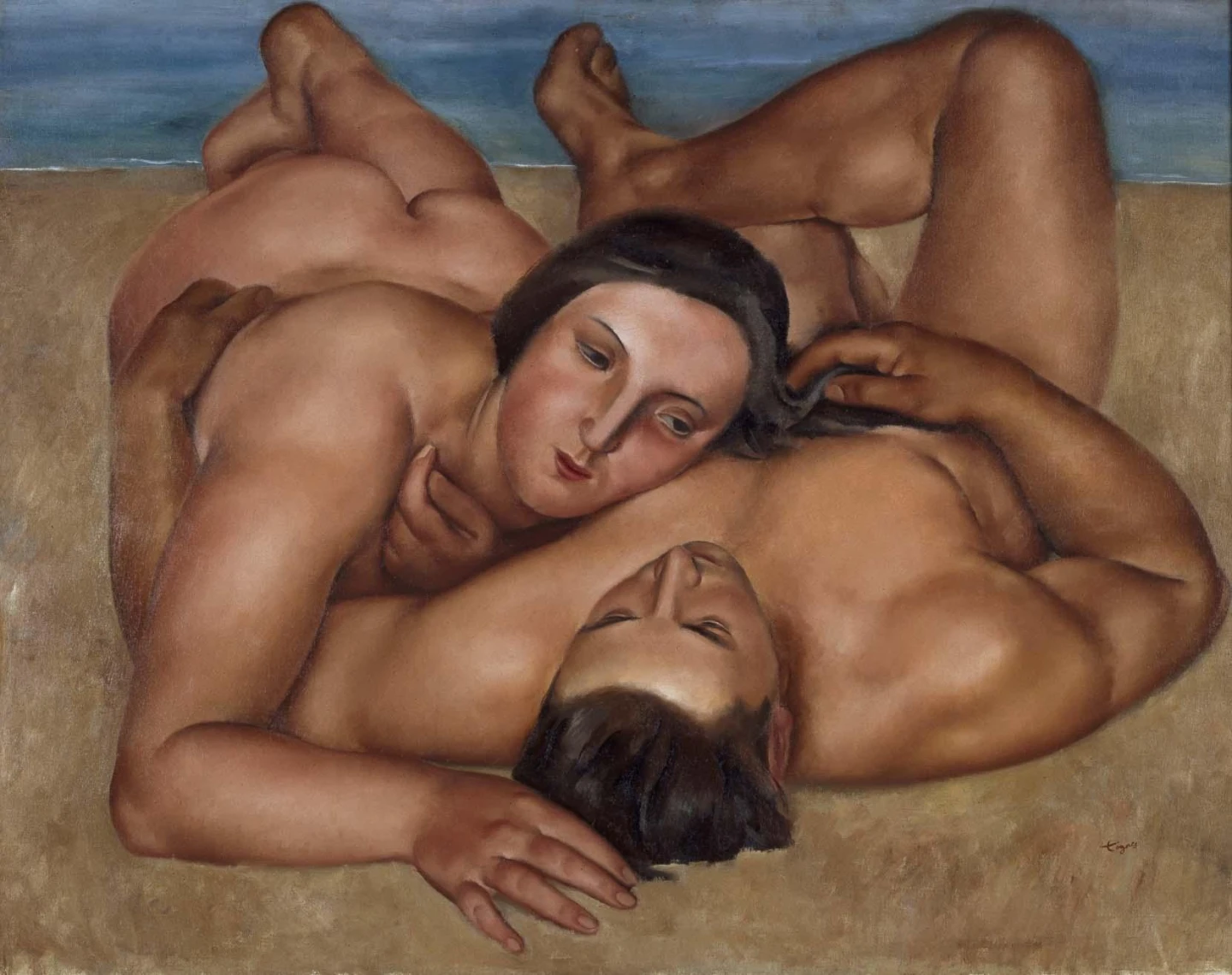
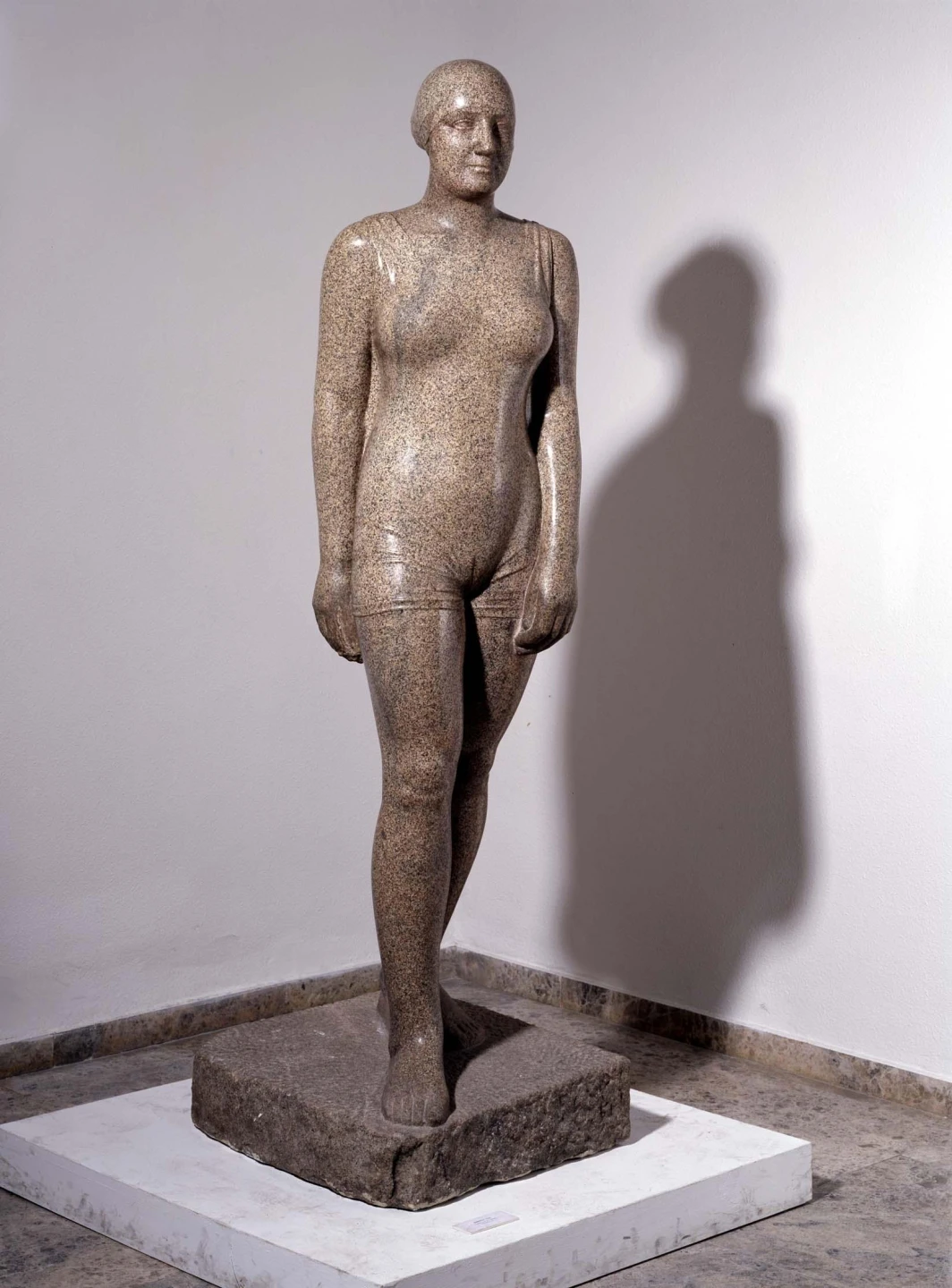
Widespread in 1920s and 1930s Europe was a return to figuration and Western tradition, a “return to order”, as Jean Cocteau claimed. Some artists considered this retrieval of figuration and the object as a critical overhaul of the artistic past, while others deemed it an artistic, historicist and nostalgic regression denoting a genuine dissolution of historical avant-garde movements. This process had germinated a few years previously, occurring simultaneously in different European countries — on one side, France and Italy, contributing with Mediterranean classicism through figures such as Pablo Picasso, André Derain and Italian artists associated with the magazine Valori Plastici; on the other, the social critique of German artists from New Objectivity.
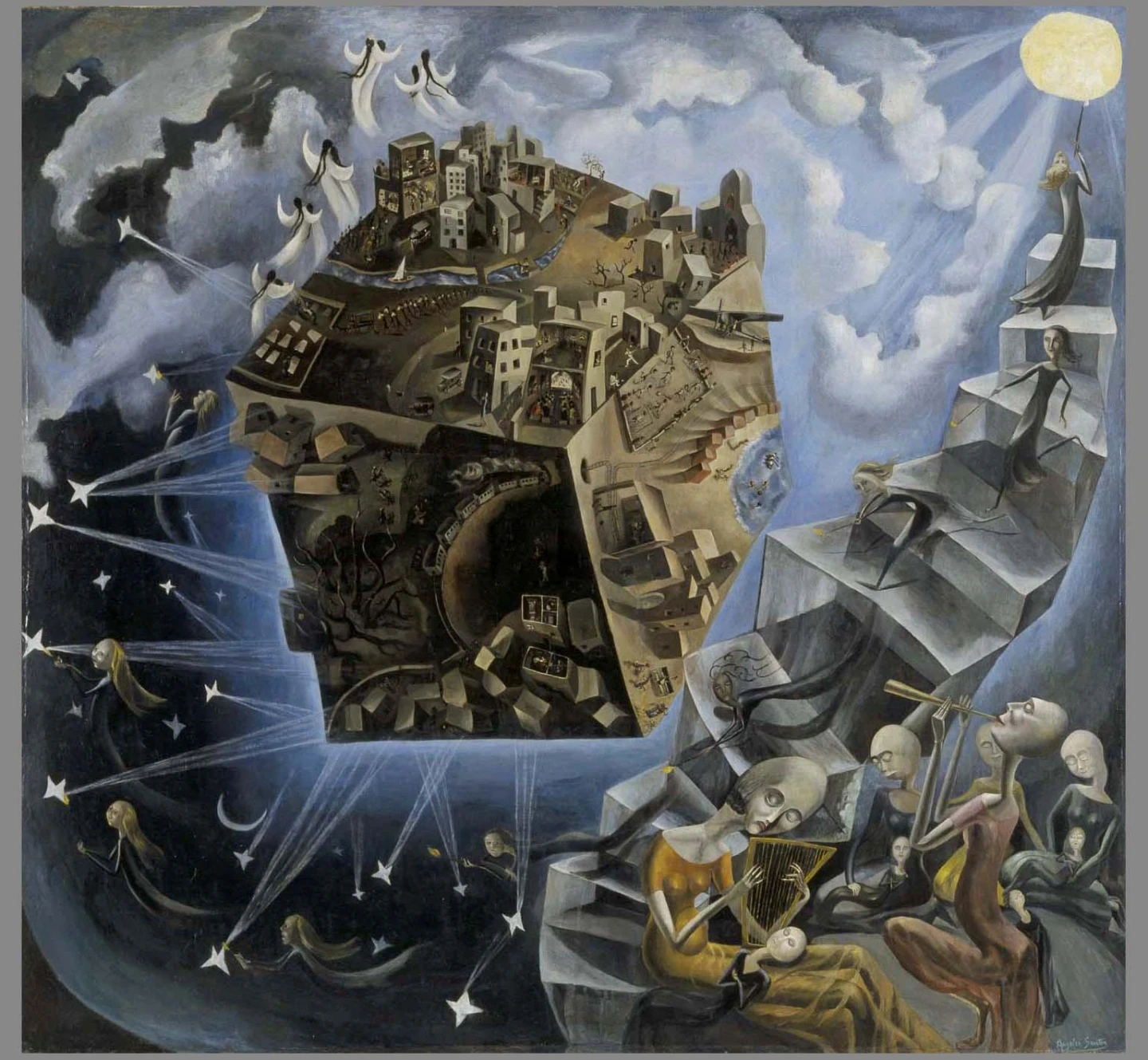
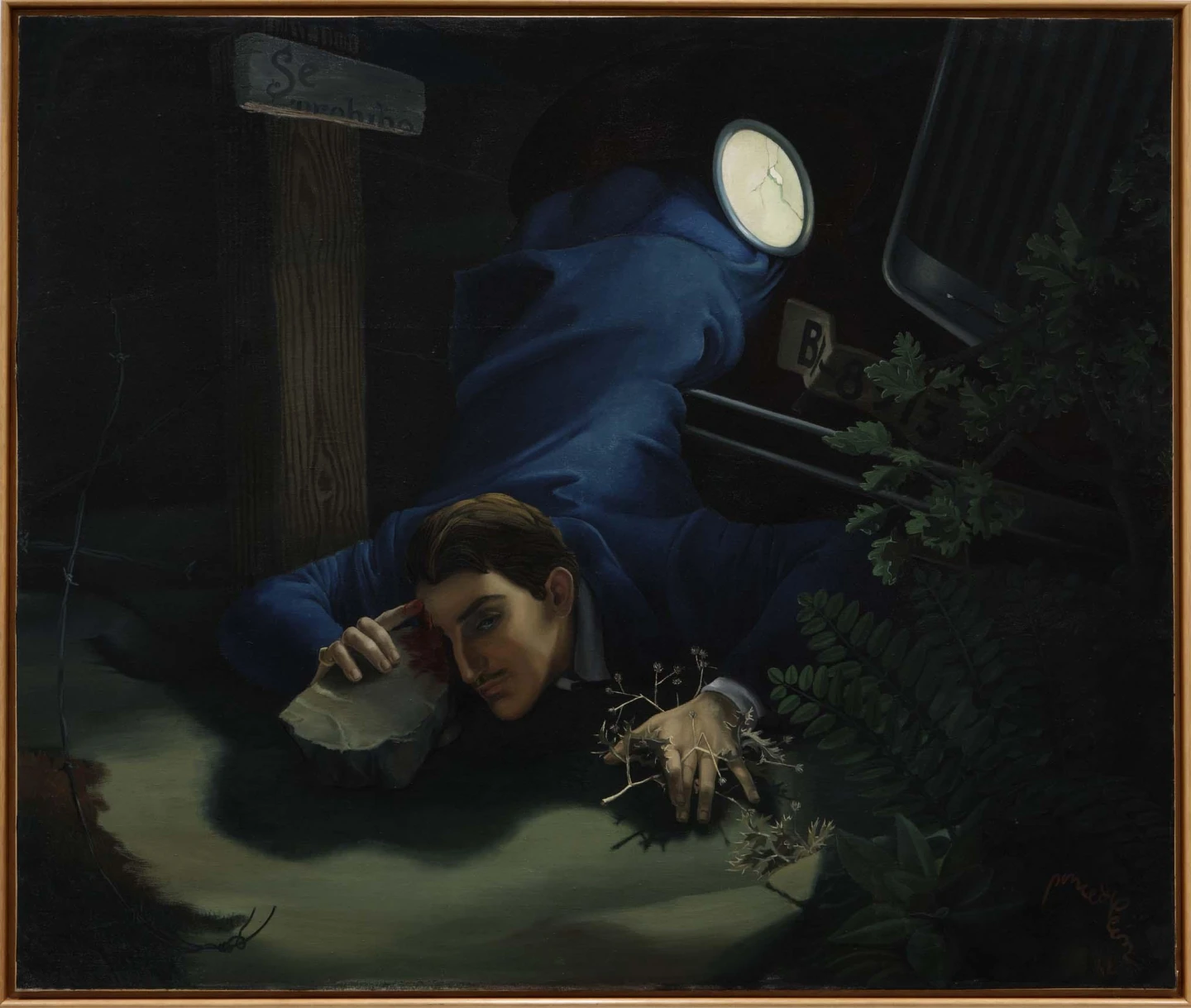
In 1925, art critic Franz Roh assembled a broad selection of the European realisms that had appeared in the aftermath of the First World War in an influential essay entitled Nach-Expressionismus: Magischer Realismus (Magical Realism: Post-Expressionism). The characteristics of this style included a devotion to technique, often with an extreme exquisite rigour, compositional statism, and the inclusion of a certain magic or strangeness in the everyday. Roh’s theories were pivotal in shaping a new generation of artists, among whom Ángeles Santos stood out with her painting Un mundo (A World) in 1929, a monumental work with the overt presence of the artist’s inner vision, contiguous with the theories of Surrealism. Within this trend, other artists, such as Rosario de Velasco and Alfonso Ponce de León, saw a balance between classicism and modernity, sharing it with the Italian group Novecento and its fascist ideology.
11 artworks



Room 205.05
Speaking Walls
Room 205.07
Gecé: The Sewer Inspector