Room 203.01
Madrid, a Diverse City
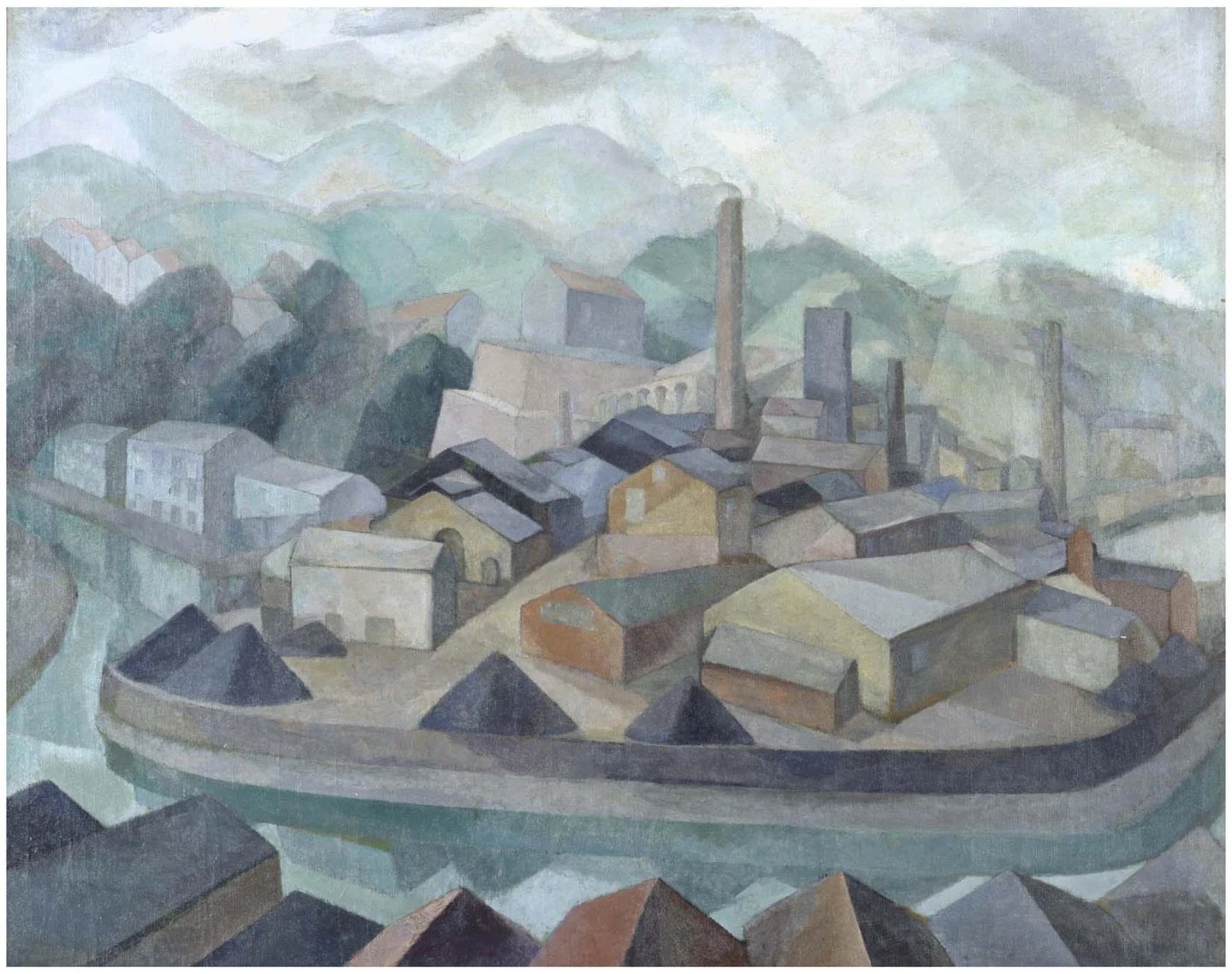
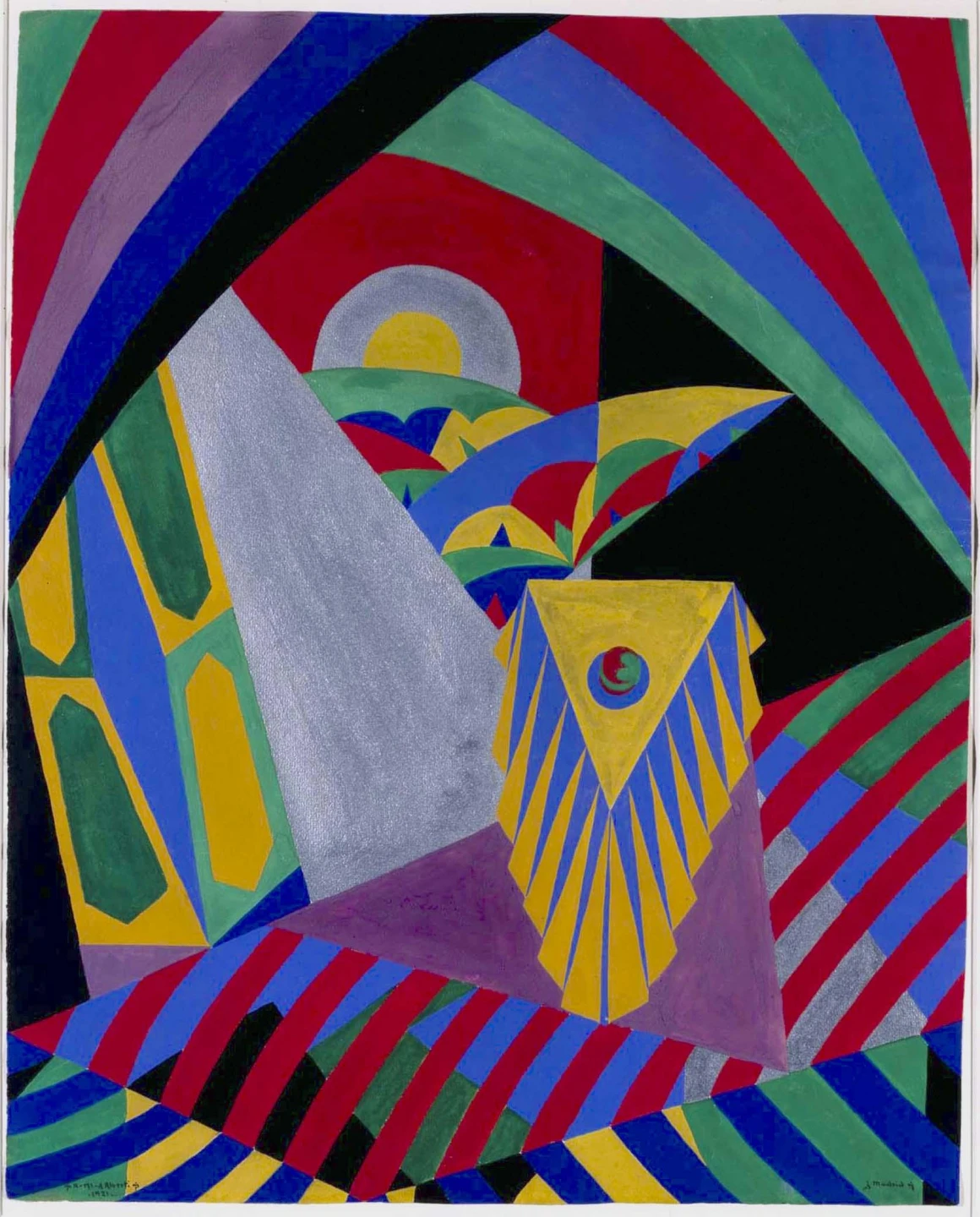
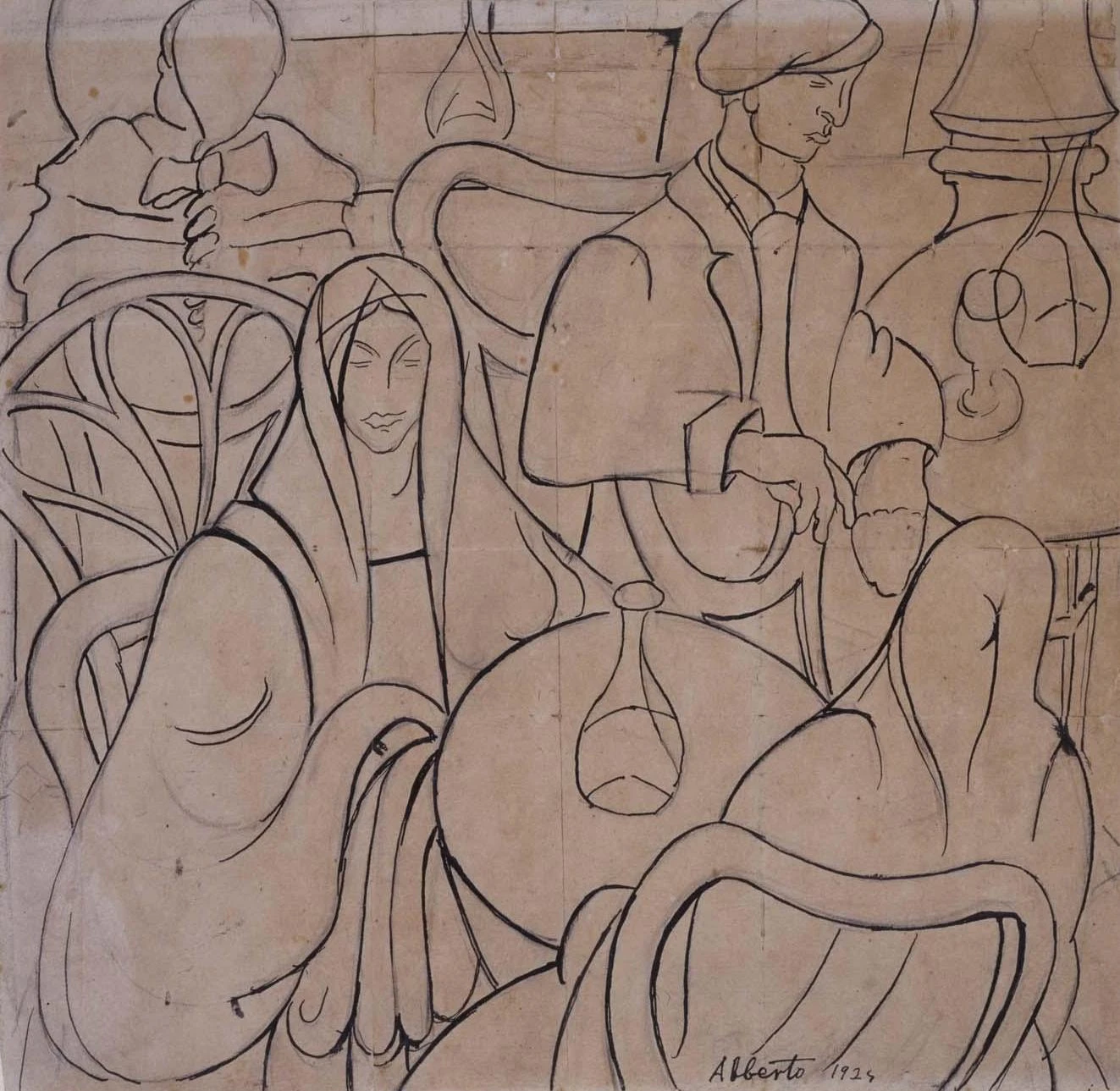
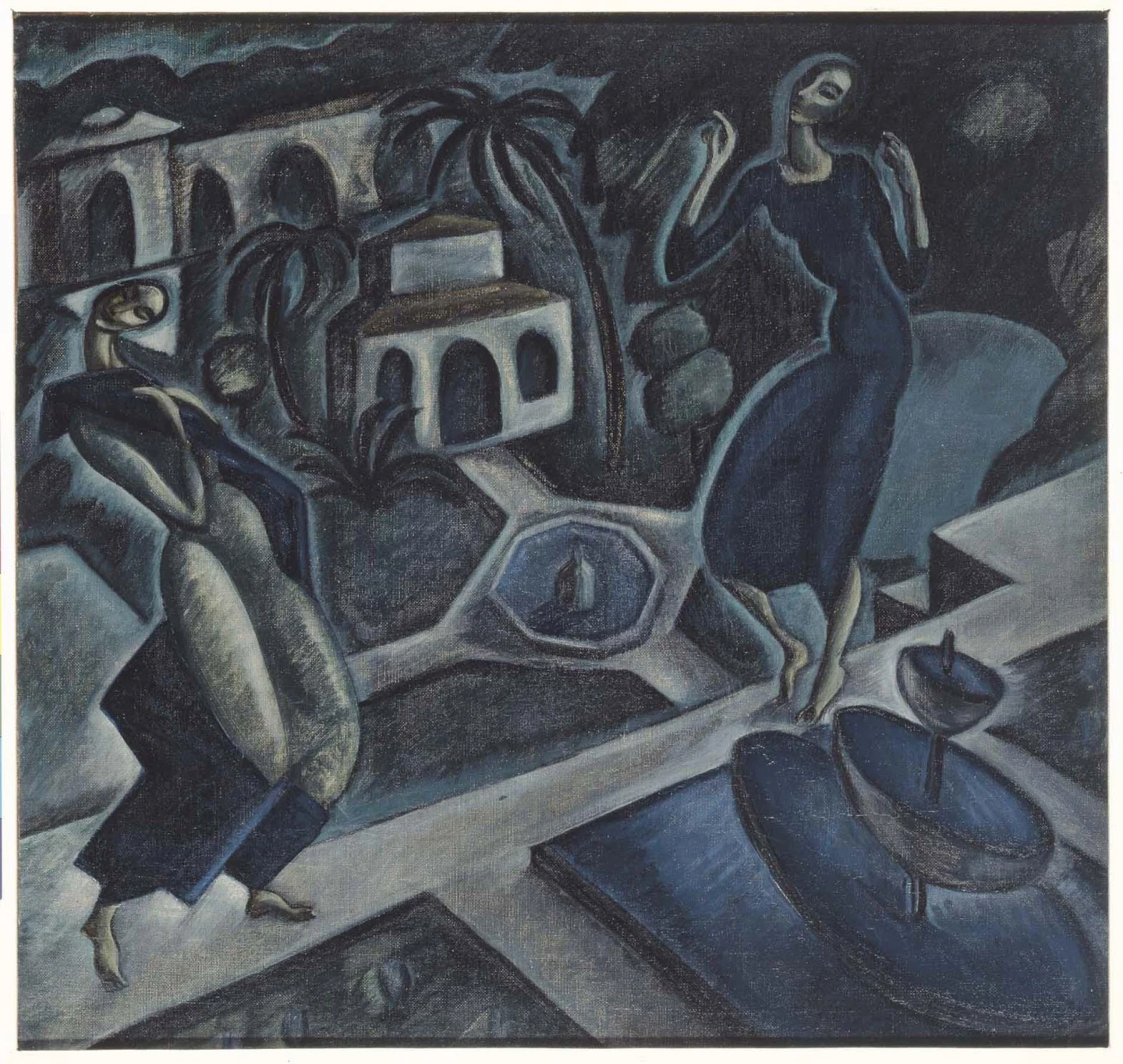
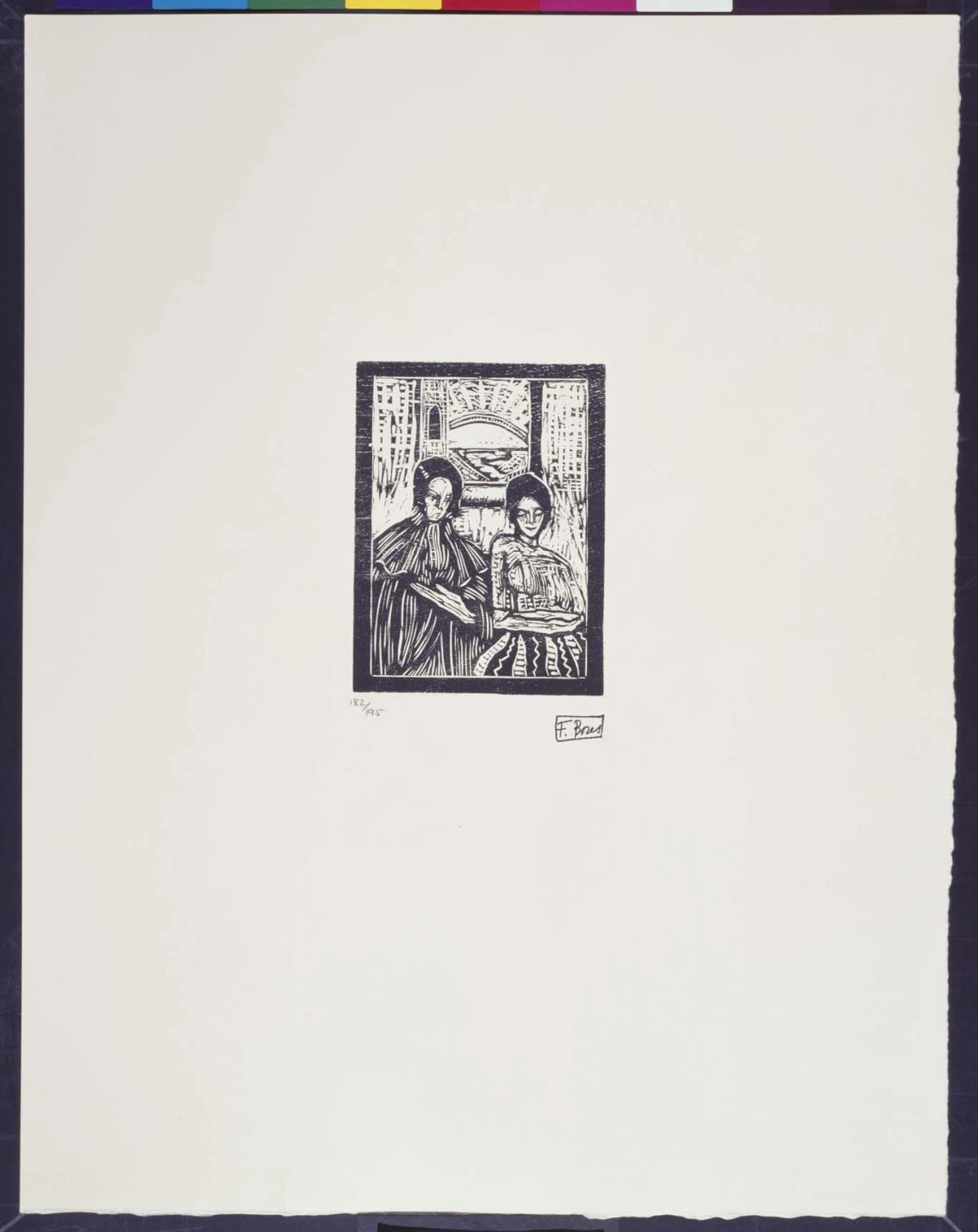
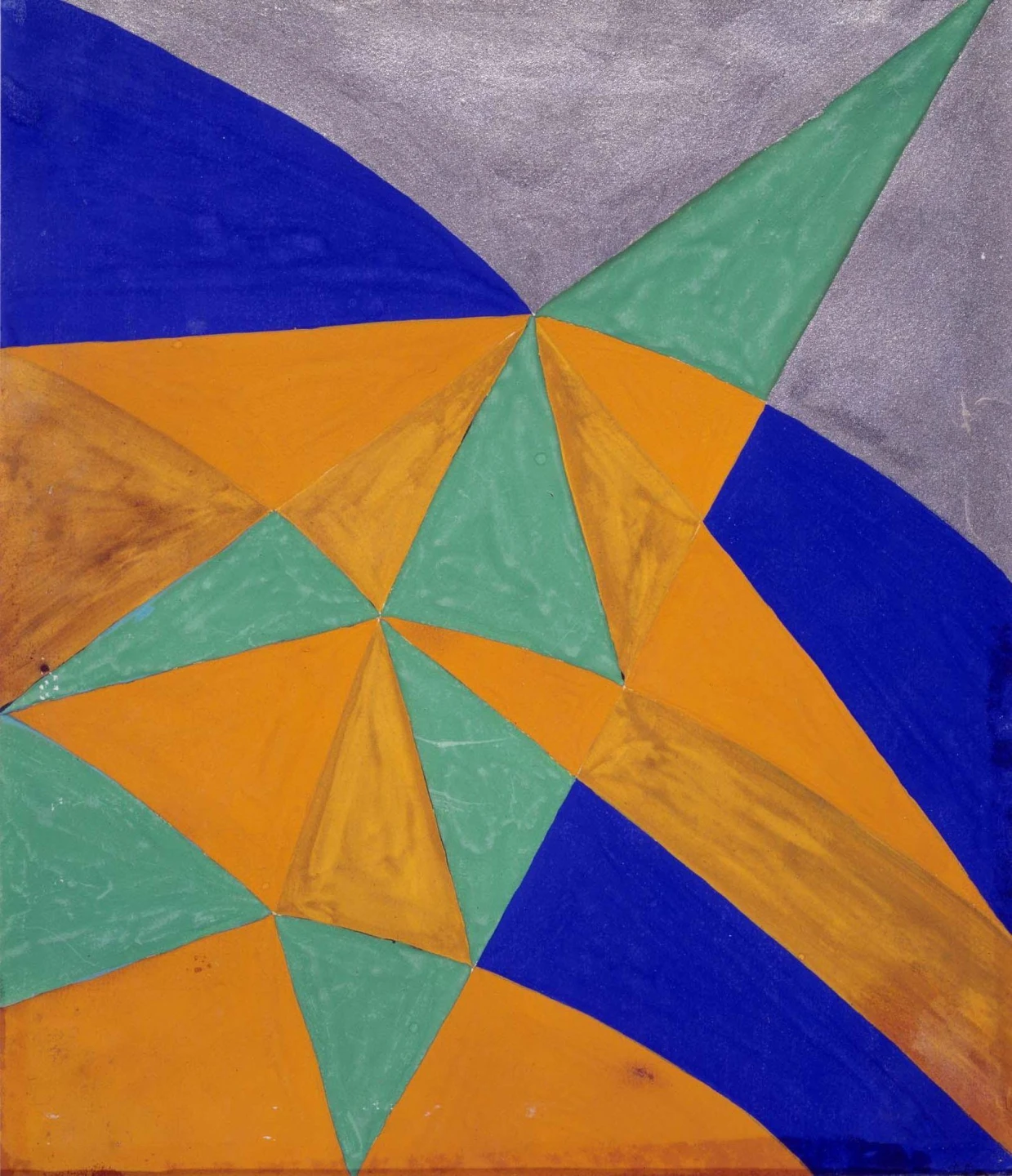
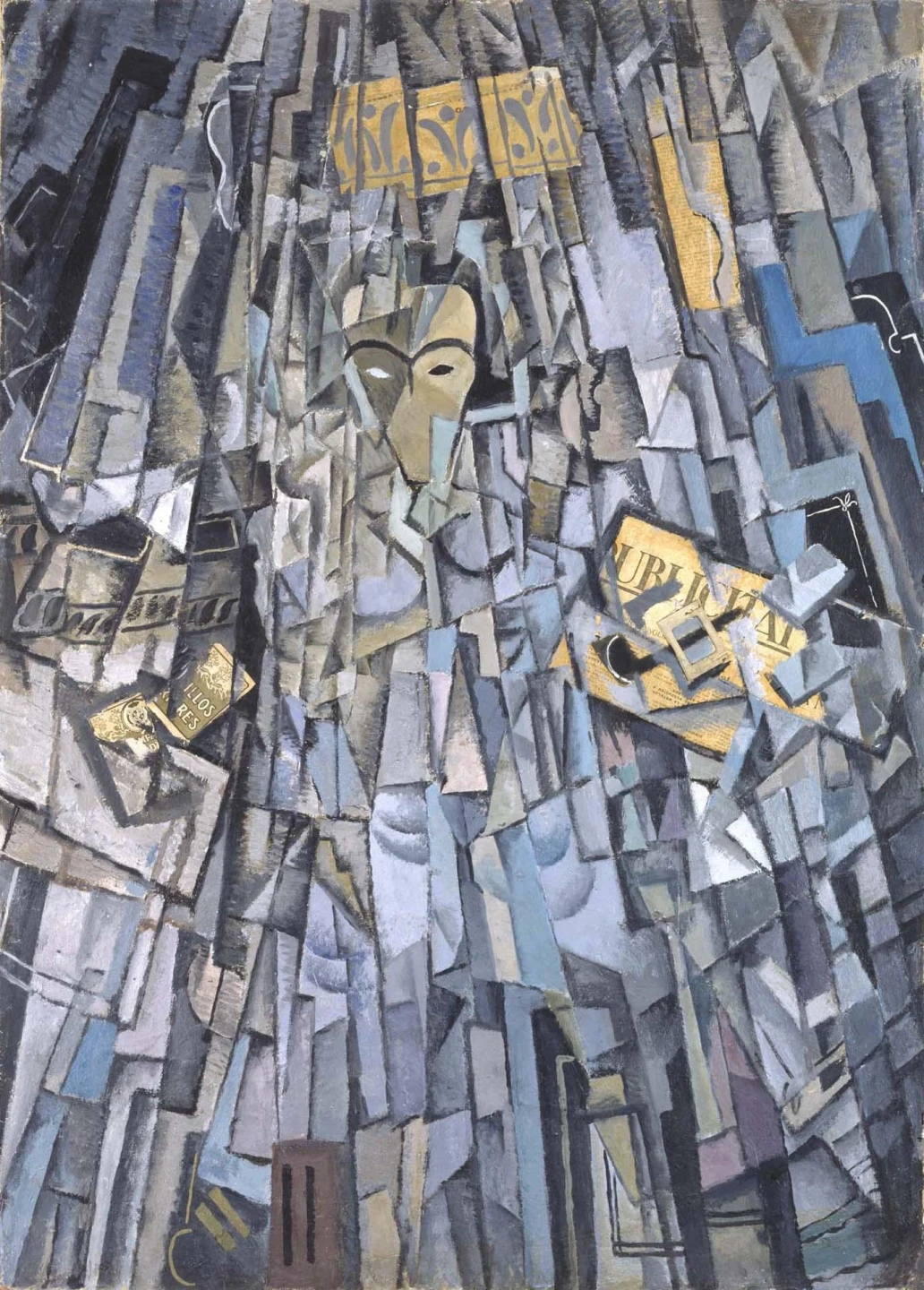
The arrival in Madrid of international artists fleeing the Great War culturally revitalised a city that was on the cusp of developing into a symbol of modernity. The works that began on Gran Vía, the unveiling of the first metro line and the construction of the viaduct on Calle Segovia were already sculpting the visual mythology of modern Madrid when a diverse and interdisciplinary group of literary and artistic agents converged in the first Spanish avant-garde movement: Ultraism. Assembling resources from Futurism, Cubism and Dadaism, the Ultraists created bold poetic and visual images to reveal a preference for metaphor, juxtaposition and graphic experimentation. It is in this space of publications where a common line can be traced between the different artists associated with the movement.
In the Madrid of that time, figures such as Ramón Gómez de la Serna and Rafael Cansinos Assens elevated non-official cultural movements, with the former involved in art exhibitions such as Los pintores íntegros (Painters of Integrity, 1915). Other standout artistic manifestations in the period were Celso Lagar’s solo show (1917) and the Exposición de pintores polacos (Exhibition of Polish Painters) who had settled in Madrid (1918). Furthermore, the effect of the presence in the city of artists like Sonia and Robert Delaunay and Polish artists Marjan Paszkiewicz and Józef Pankiewicz had a bearing on the capital’s internationalisation, which would also encompass spheres such as interior design. Key in this search for new aesthetics was the figure of Vicente Huidobro, the Chilean poet who, in 1918, landed in Madrid and was pivotal to developing new poetry and art in Spain, with his capacity as a spokesperson and a conveyor of the advances of international avant-garde movements.
20 artworks

Room 202.03
Stridentopolis. An Urban Utopia
Room 203.02
Women at the Forefront