Room 201.04
José Ortiz Echagüe
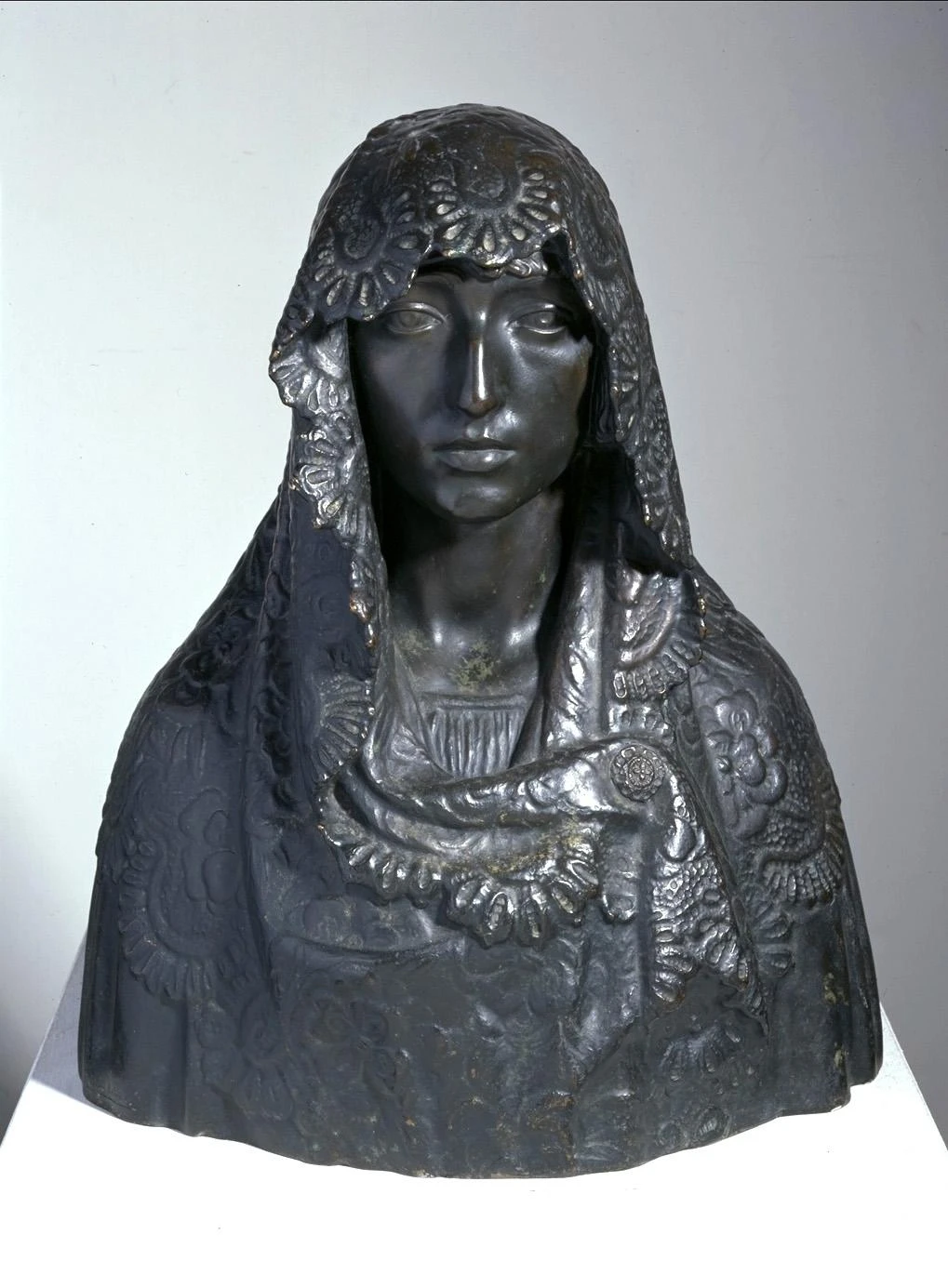
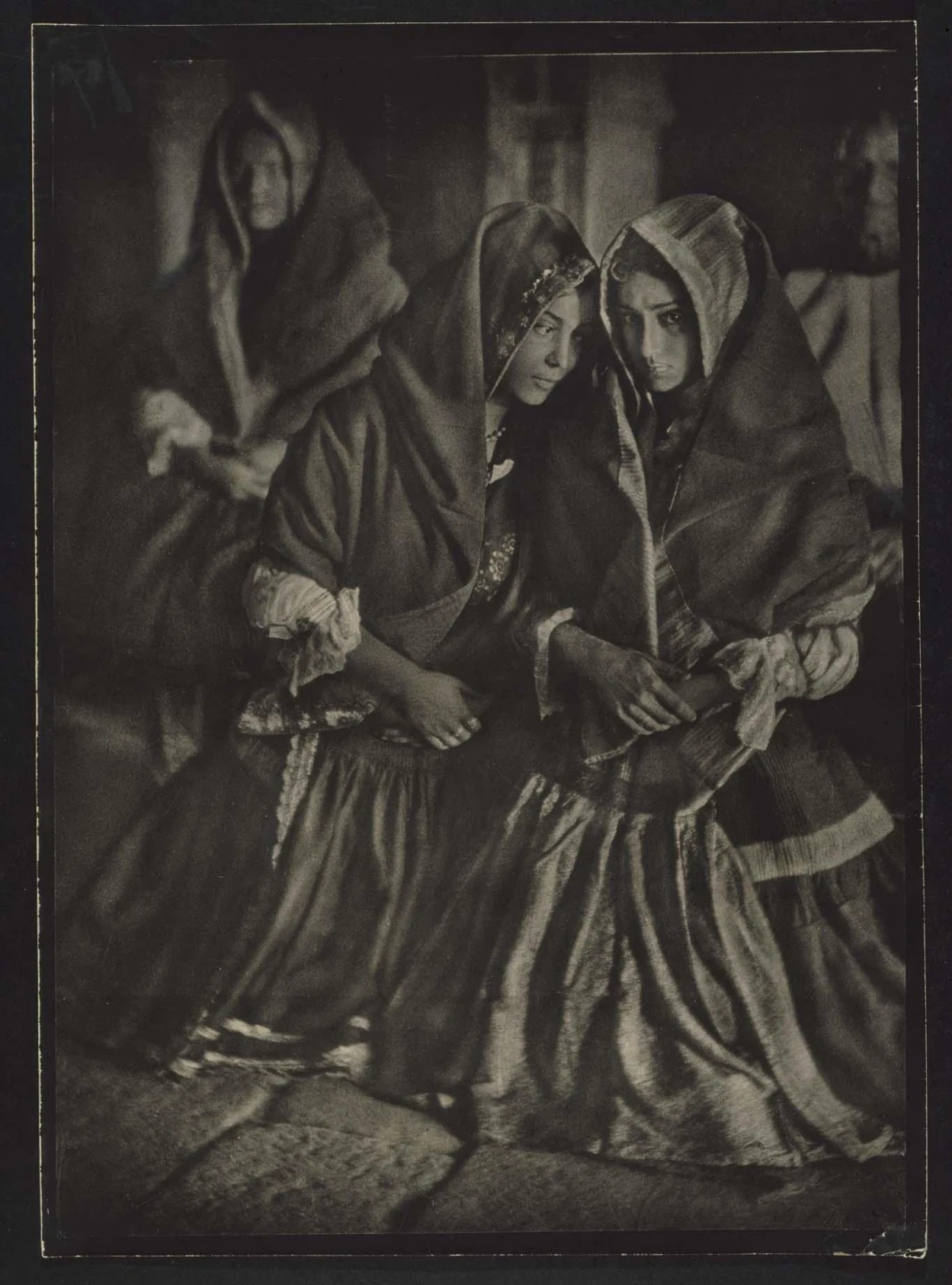
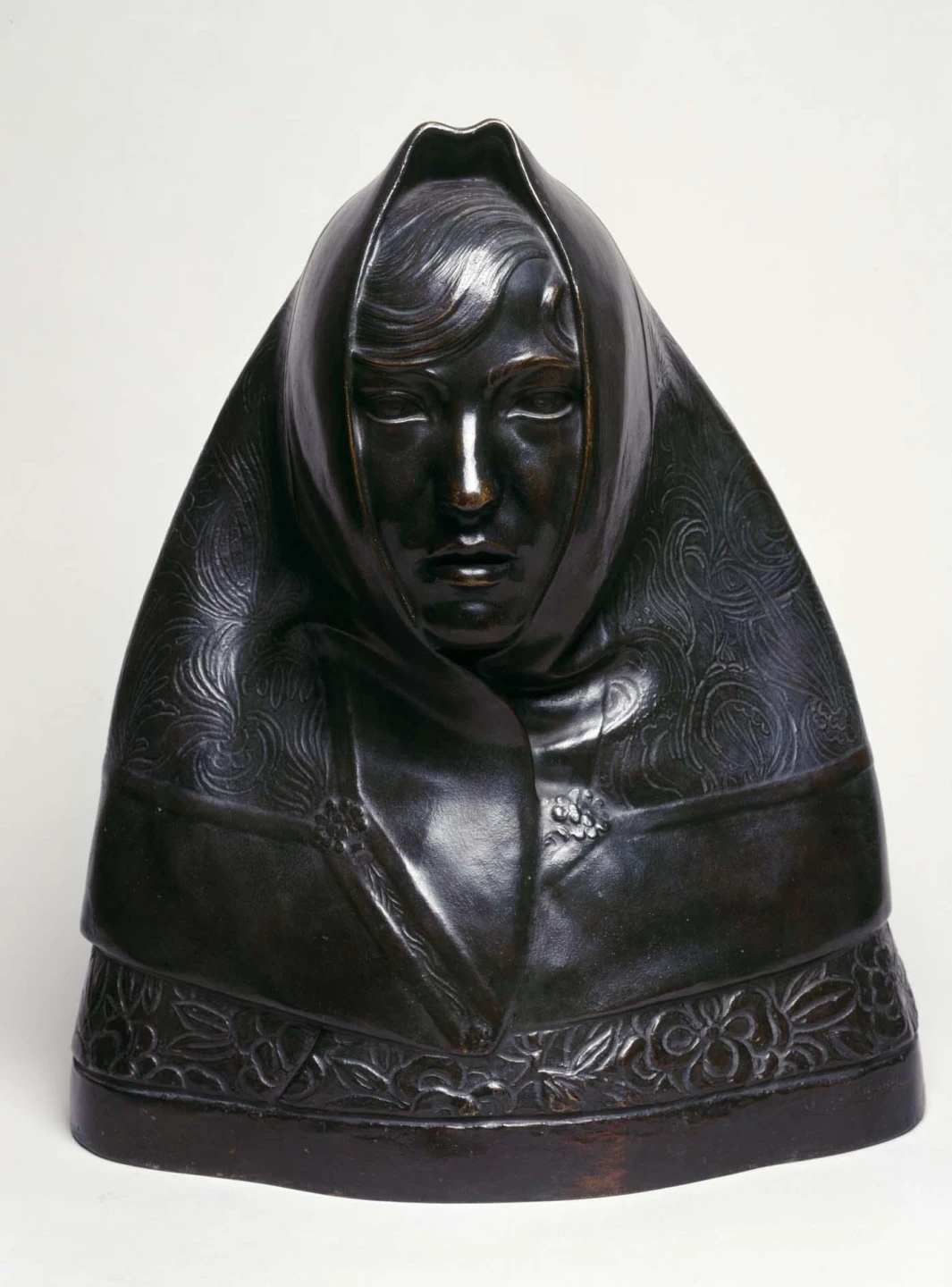
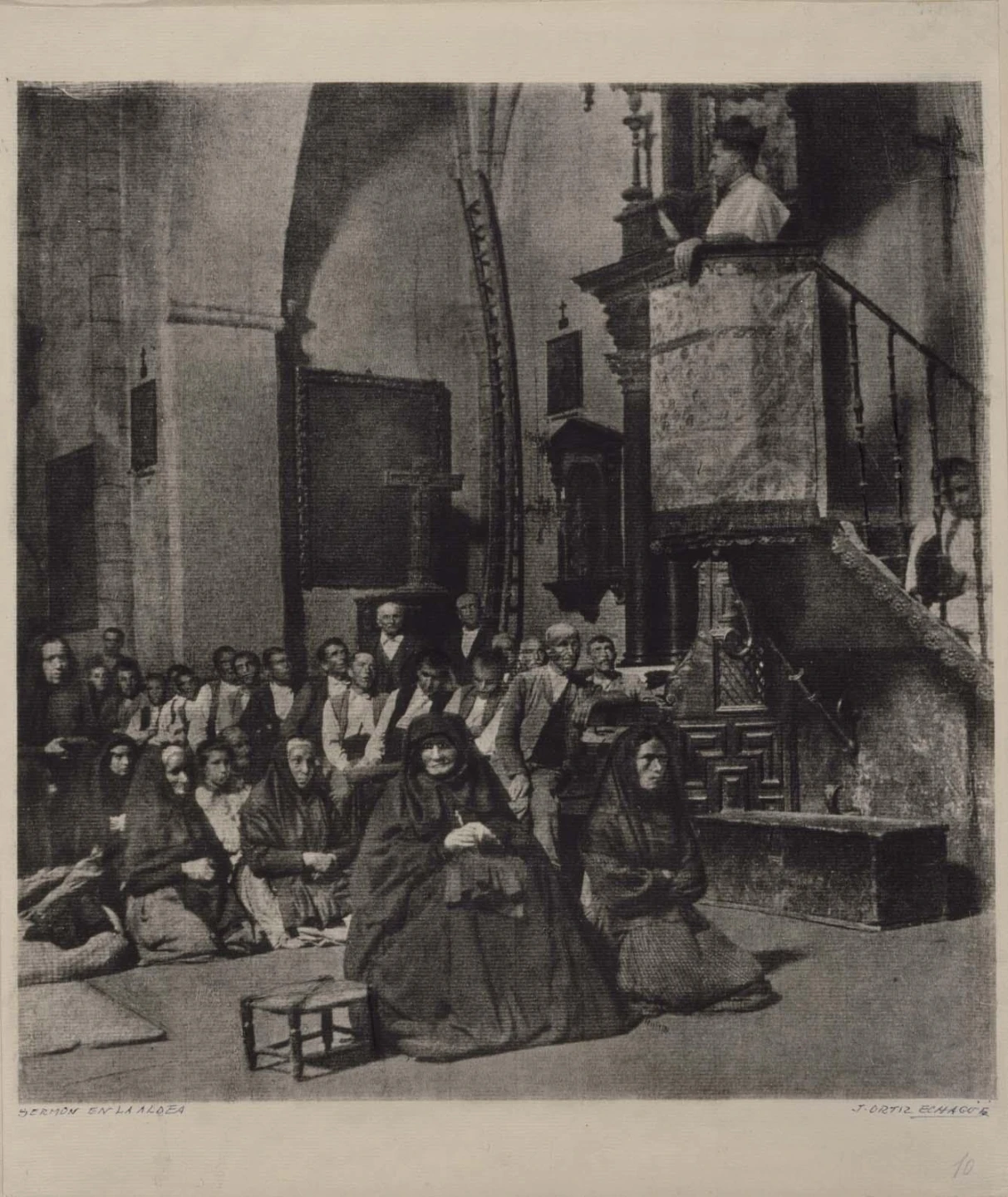
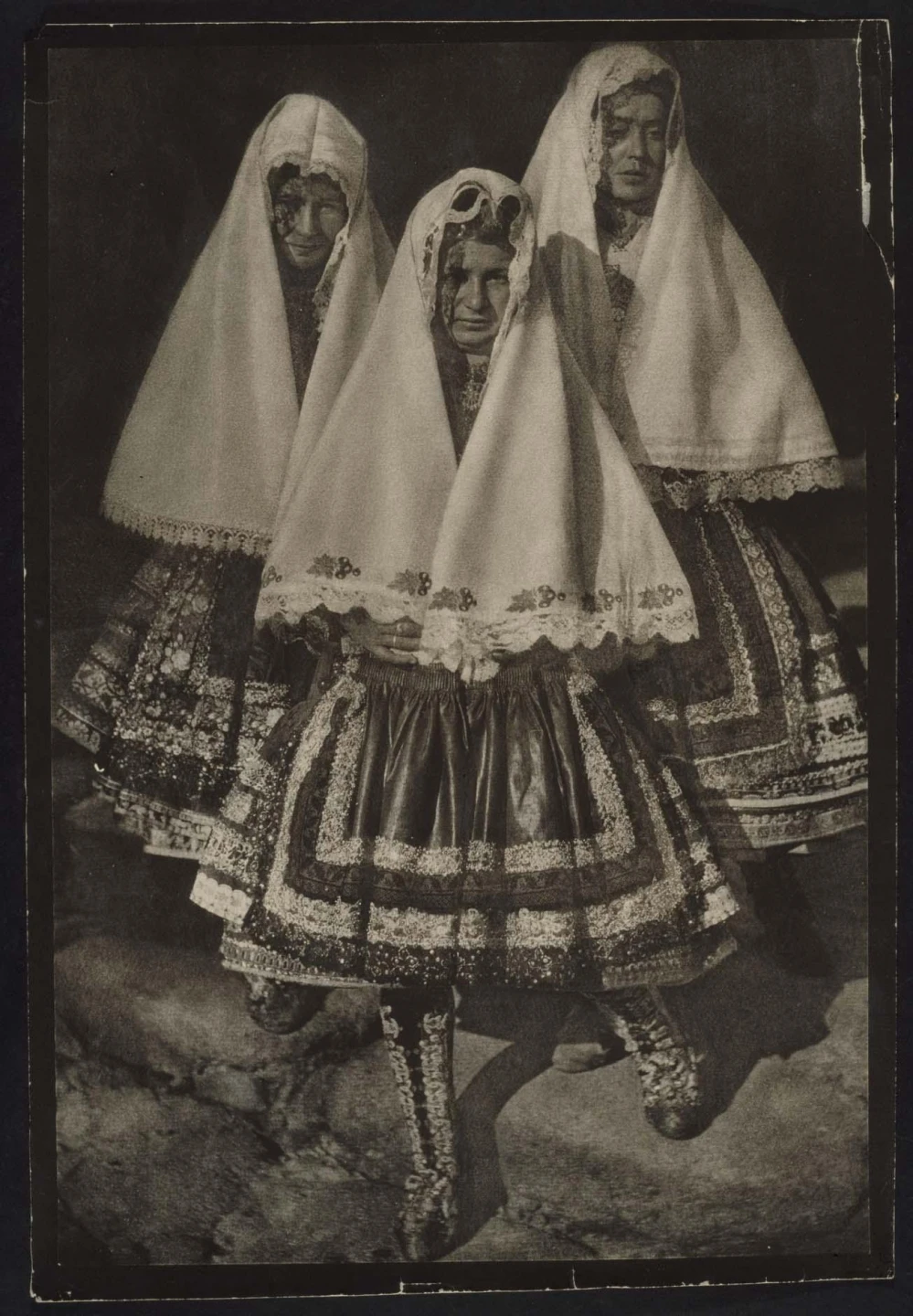
In the early part of the twentieth century, the thinking of the Generation of ’98 was reflected in Spain’s artistic manifestations. A concern with Spanish identity, traditions and collective memory was shared by artists such as the photographer José Ortiz Echagüe and sculptor Julio Antonio, both of whom travelled through different places in the country to depict popular figures and portray traditional scenes.
José Ortiz Echagüe started to photograph ordinary life in 1903 and, more systematically, from 1916 onwards. Despite using the Fresson carbon process to develop his images, with its links to Pictorialism, his intentions were always rooted in documentary. He endeavoured to leave a legacy for future generations, with “aspects which our present dynamic of life has condemned to a safe and looming extinction”. His first compilation of portraits was published in Berlin under the title Spanische Köpfe (Spanish Heads, 1929); the following year, he published in Madrid a new edition under the title Tipos y trajes de España (Spanish Types and Garments).
Julio Antonio, for his part, created the sculpture series Bustos de la raza (Busts of Race) between 1908 and 1914, in which he portrayed the working classes as examples of true history, with a classicist approach and from the same regenerationist spirit that acknowledged Spain’s intellectual backwardness. Antonio’s work is considered pioneering in the renewal of Spanish sculpture and was highly regarded by writers such as Ramón Gómez de la Serna, Ramón Pérez de Ayala, Juan Ramón Jiménez and Ramón María del Valle-Inclán, and critics like Juan de la Encina, who wrote about his work in the magazine España, founded by José Ortega y Gasset.
5 artworks
Room 201.03
Holy Bohemia. Ramón Gómez dela Serna, the improbable artist
Room 202.01
Model Cities, New Architecture