Room 201.01
Holy bohemia. From slum to gran vía
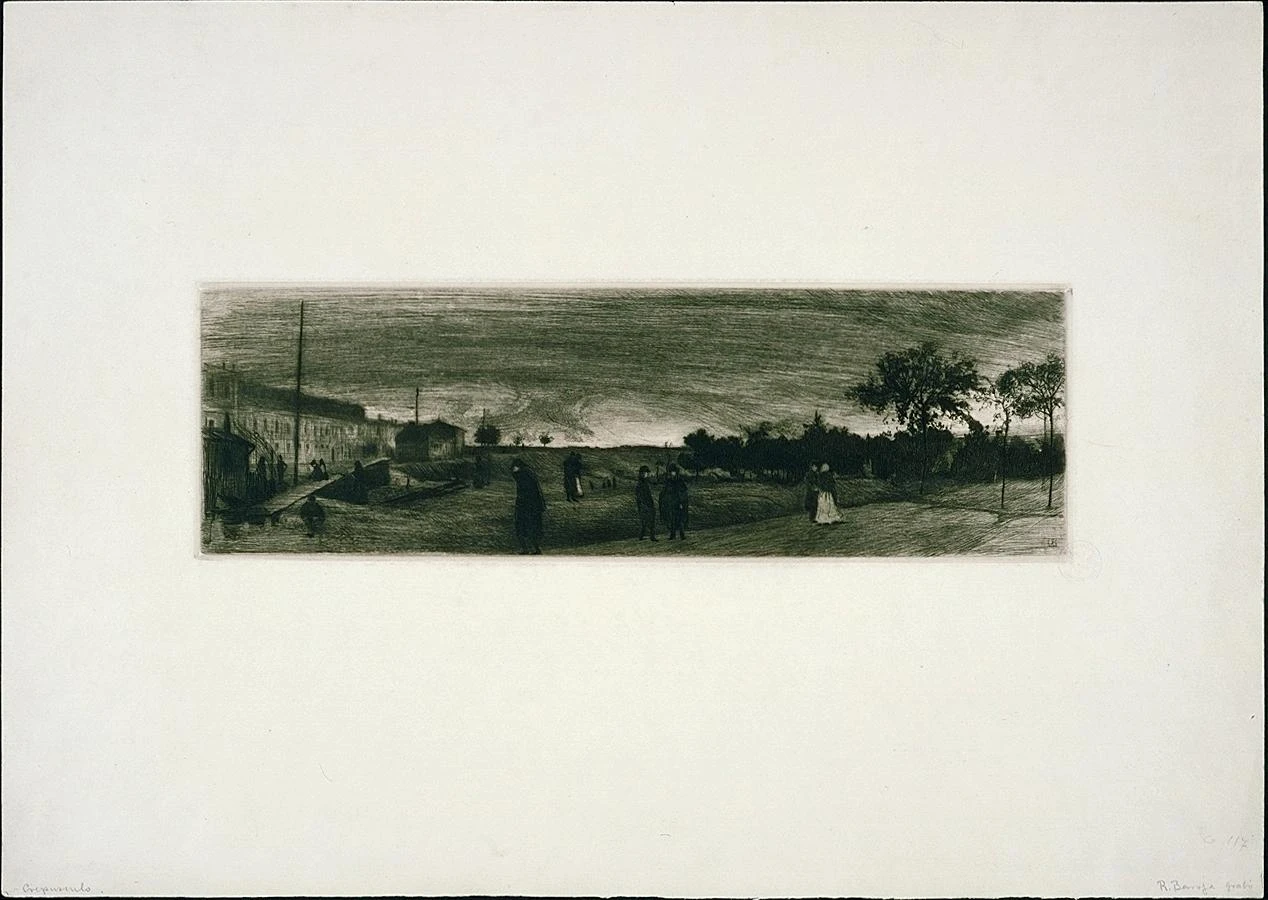
The Generation of ’98 was a group of Spanish writers and thinkers who emerged out of the political and economic crisis that swept through Spain in the late nineteenth century, exacerbated by the loss of the last colonies in 1898. Figures such as Miguel de Unamuno, Pío Baroja and Ramón María del Valle-Inclán reflected on Spanish identity, turning their critical interest towards social issues, the country’s backwardness and the suffering of the underclasses. These authors, aware of the country’s economic and moral deterioration, concentrated on forgotten characters and stages that symbolised the failure of modernity in Spain.
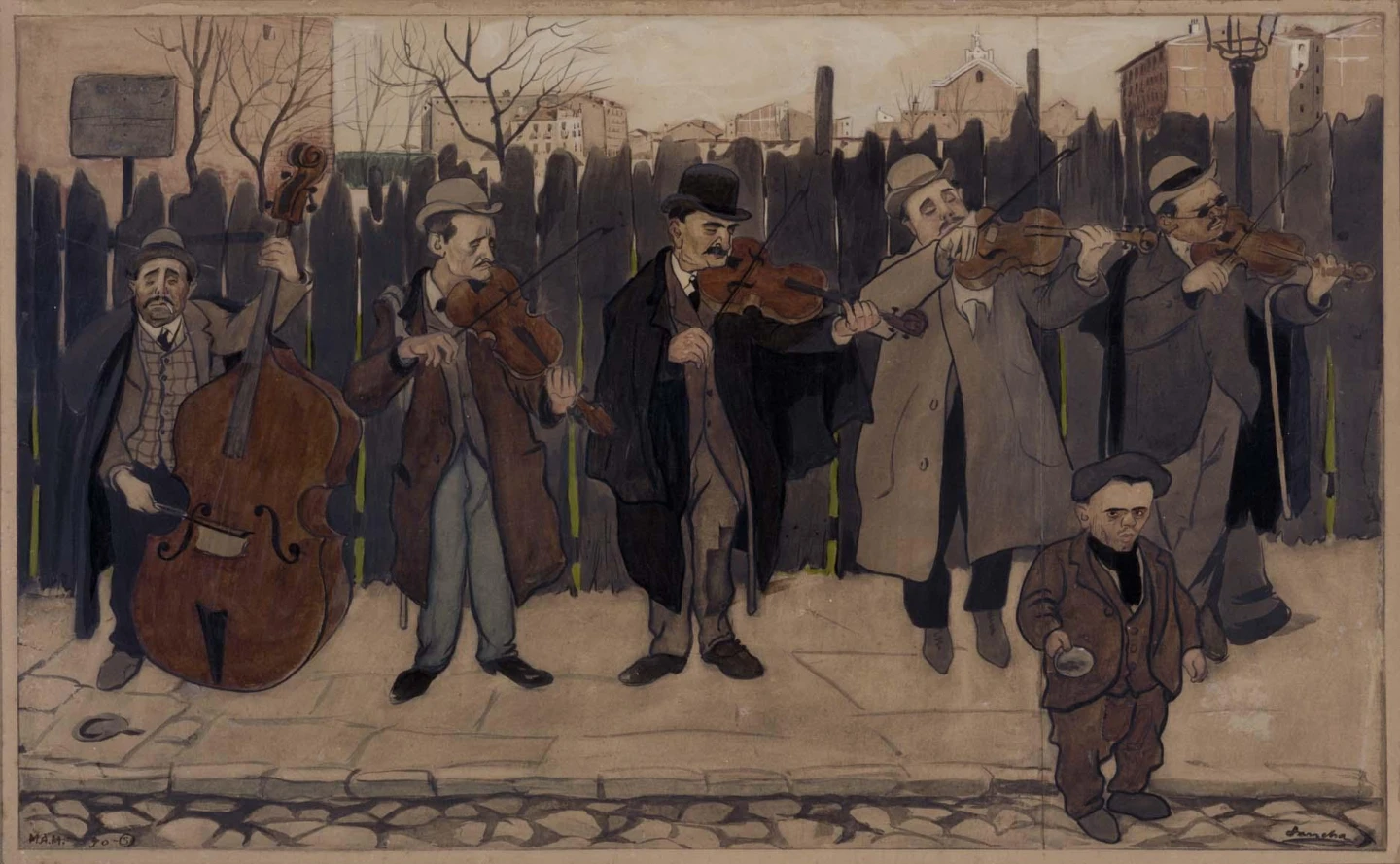
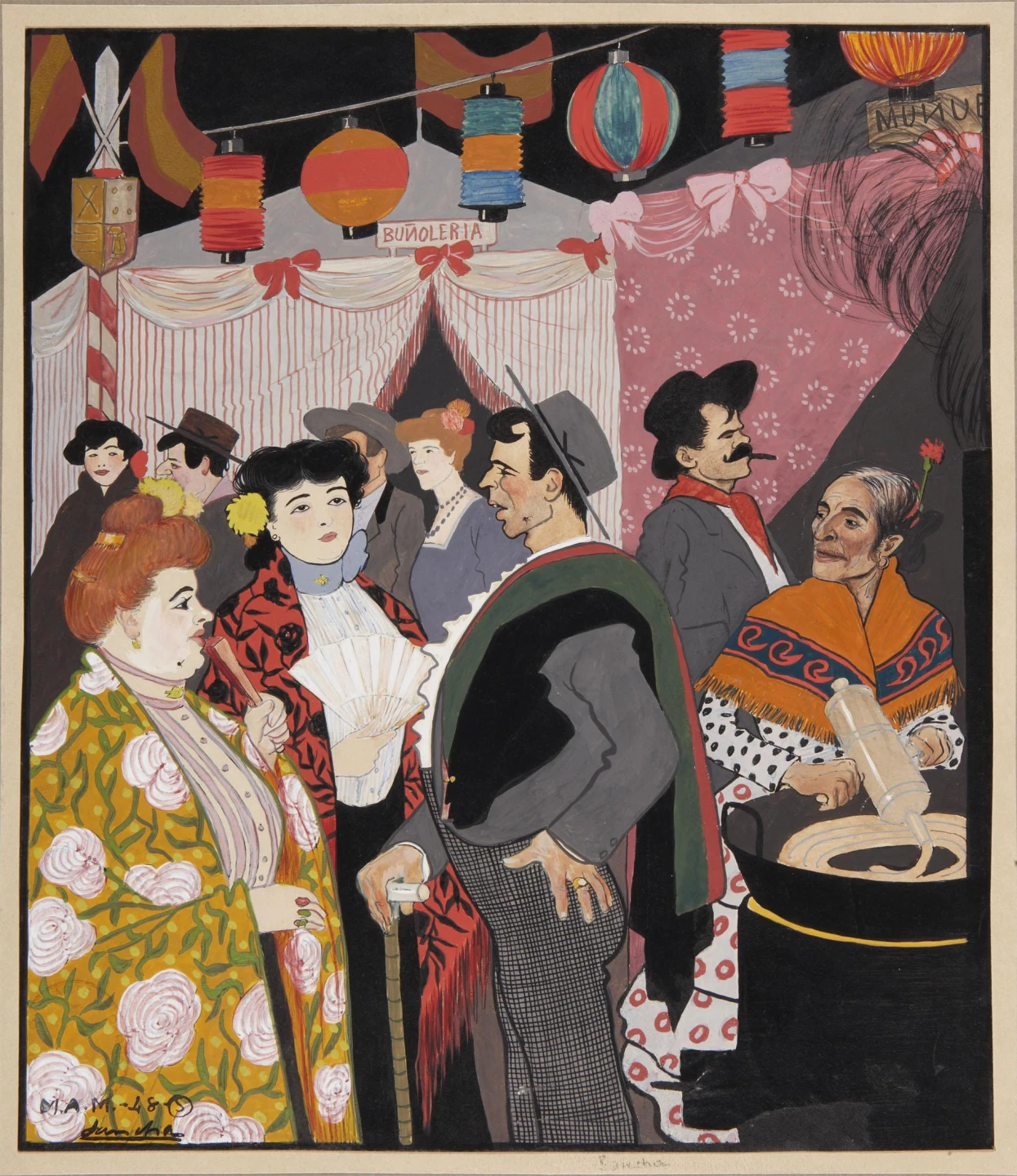
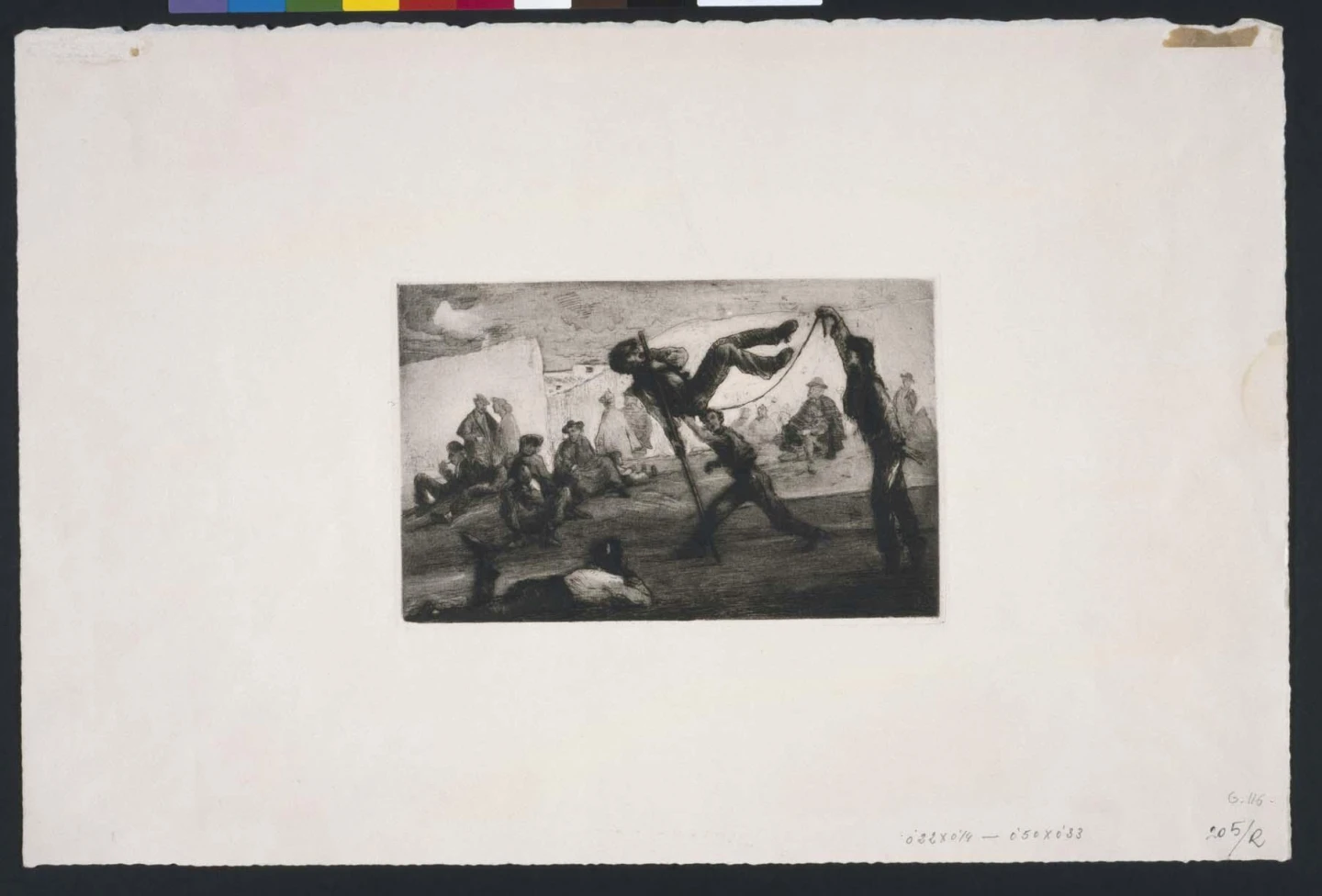
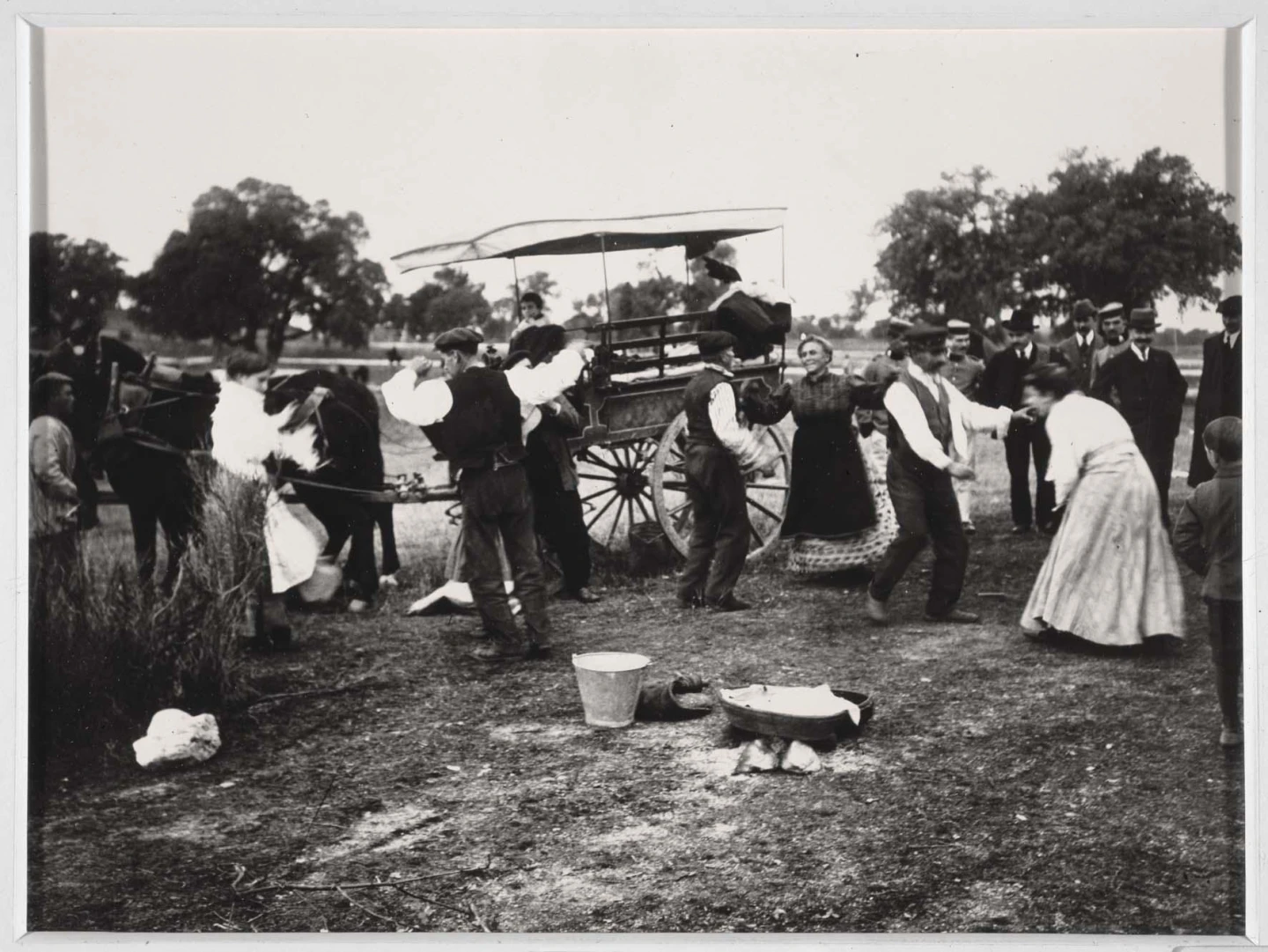
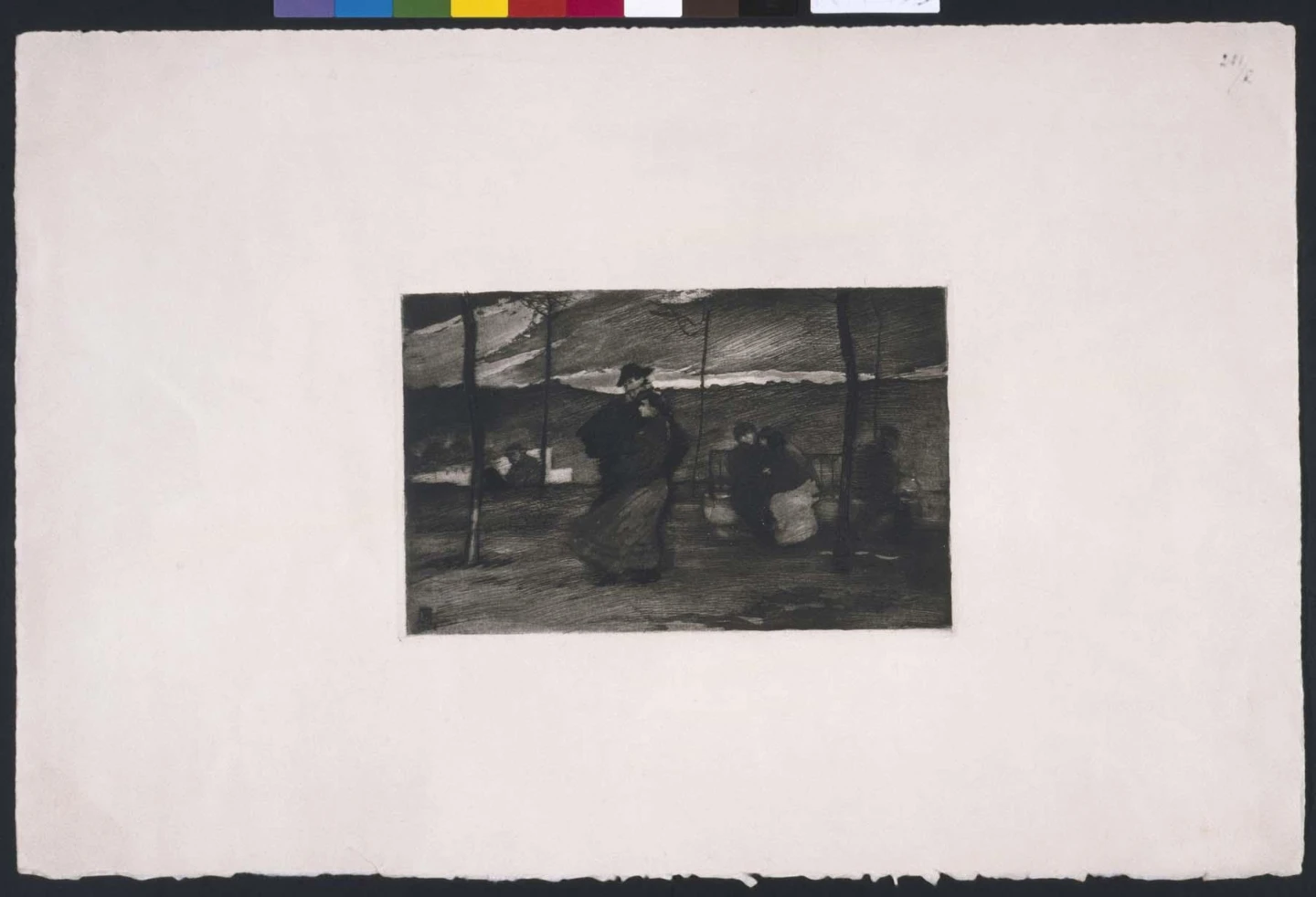
This interest in the gutters and the working classes would profoundly influence other artistic spheres, particularly in Madrid. Thus, conventional slum areas, taverns, beggars, rogues and marginalised figures would become the involuntary protagonists of many works, some in celebratory fashion but all a reflection of a society in crisis.
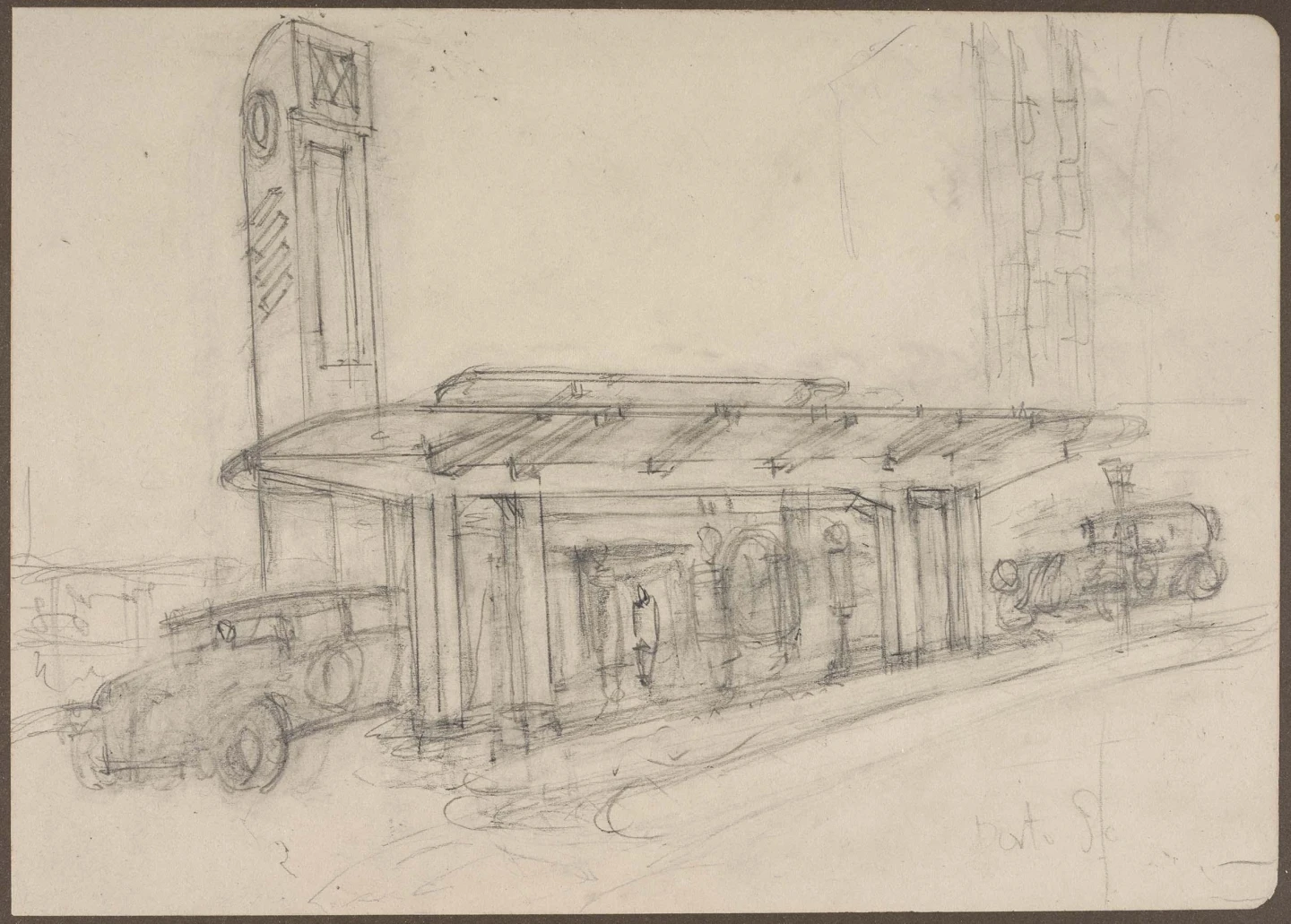
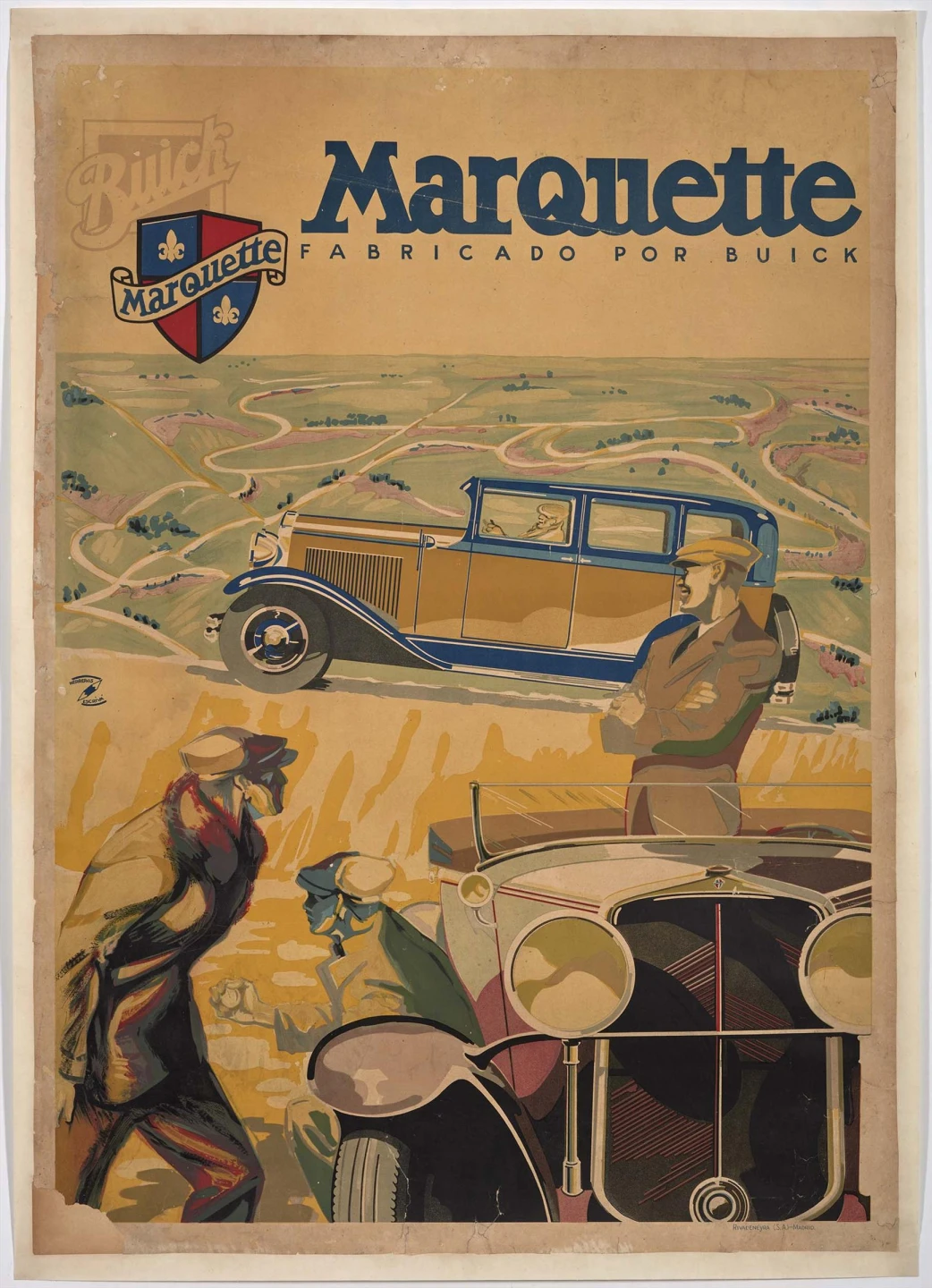
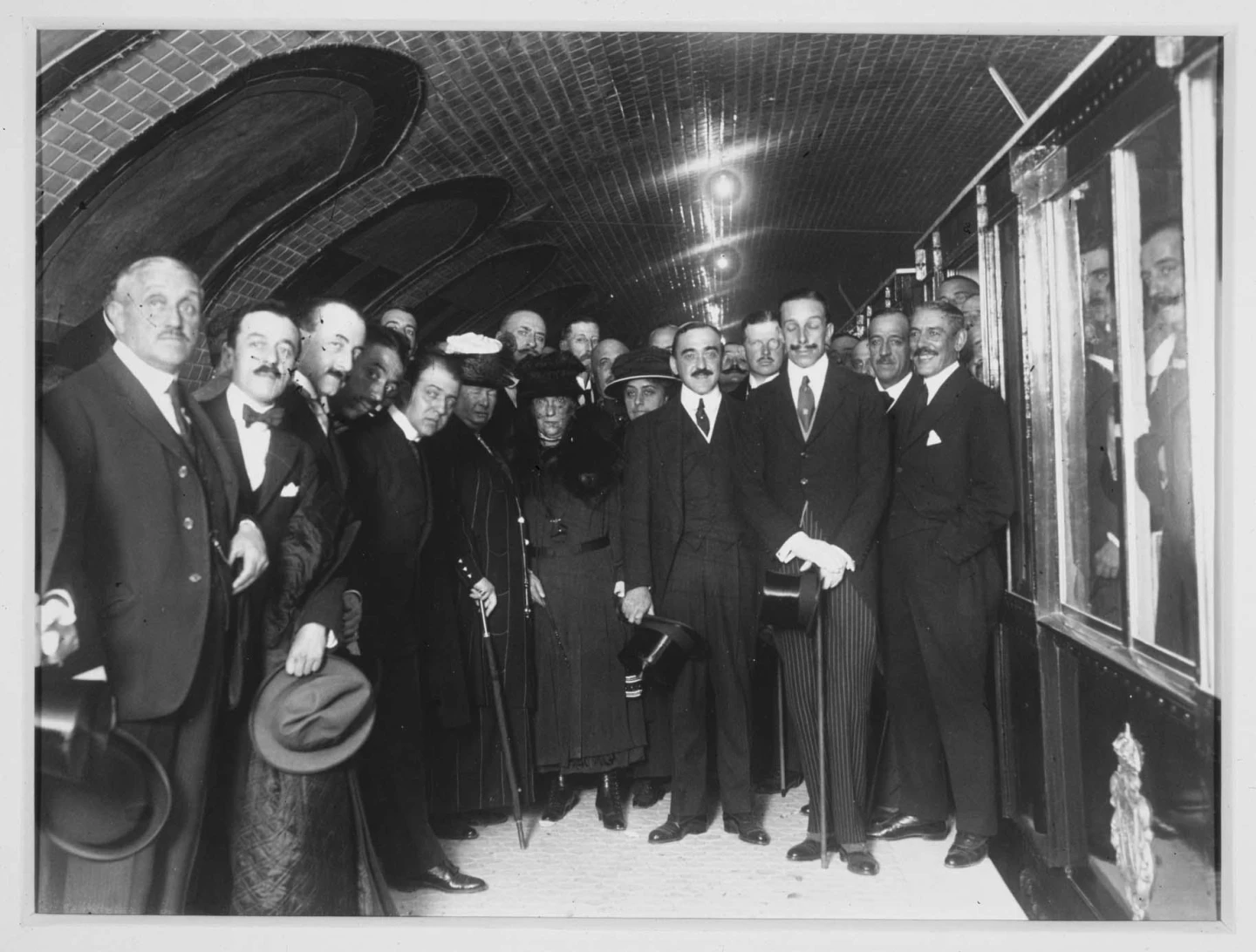
Another city began to solidify, conversely, in the 1920s, with its aspirations, following modern ideals, of progress by virtue of equipment and services that were fitting of a major metropolis through the practice of architecture, urbanism and engineering. Salient among the elements intended to make Madrid a modern city were different plans for inner-city reform and expansion to improve the living conditions of the thickly woven urban fabric of the old city. In addition, the introduction of a new material, reinforced concrete, allowed imposing constructions to rise up, catching the eye with their technical qualities and plasticity, for instance the Edificio Telefónica and Edificio Carrión. Finally, the appearance of new leisure activities related to sport and culture would facilitate the deployment of previously unseen architecture, the most relevant manifestation of which was in the Zarzuela Racecourse and Frontón Recoletos.
26 artworks



Room 201.02
Holy Bohemia. Paris was a party